
Can You Visit the Golden Triangle Without a Tour Guide?
Short answer: yes. You can absolutely visit the Golden Triangle without a tour guide. Longer answer: it depends on what kind of traveller you are, how much time you have, and whether you’d rather spend your energy figuring out train timings or standing under Agra Fort listening to a story about a heartbroken emperor.
Every year, thousands of independent travellers land in Delhi, buy a train ticket to Agra, hop a cab to Jaipur, and come home with a phone full of photos and zero regrets. Plenty of others try it, get overwhelmed by touts near the monuments, waste half a day arguing about a taxi fare, and wish they’d just booked a driver. This guide is here to walk you through both realities so you can decide which one fits you, not to sell you on either option.
Quick Navigation
- The Quick Answer
- What Exactly Is the Golden Triangle?
- Pros and Cons of Going Without a Guide
- Who Should Skip a Guide (and Who Shouldn’t)
- Getting Between Delhi, Agra and Jaipur on Your Own
- City-by-City: What Solo Travel Actually Looks Like
- The Middle Ground: Driver Without a Guide
- Budget Guide: Guided vs Independent Cost Comparison
- Sample 7-Day Self-Guided Itinerary
- Common Mistakes Independent Travellers Make
- Local Expert Tips
- Safety Tips for Independent Travel
- Best Time to Visit
- Packing Tips
- Nearby Attractions to Add
- Frequently Asked Questions
The Quick Answer: Yes, You Can Visit the Golden Triangle Without a Tour Guide
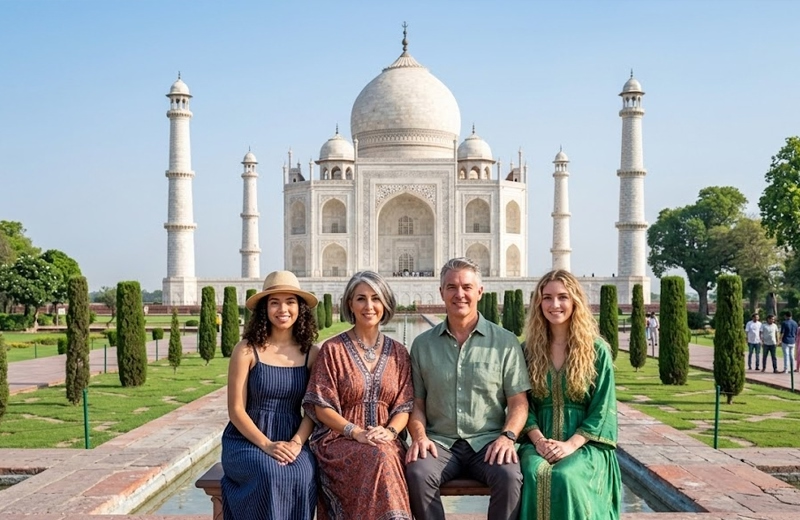
You do not need a guide to see the Taj Mahal, walk through Agra Fort, ride up to Amber Fort, or wander Old Delhi’s lanes. None of these sites require you to be accompanied by anyone. You buy a ticket, you walk in, you look around. That part is simple.
What a guide actually gives you isn’t access. It’s context, convenience and a buffer between you and the parts of independent travel that wear people down: negotiating fares, dodging touts, figuring out which gate to use, and knowing which story about a 400-year-old fort is history and which one is a driver just making conversation.
Bottom line: going without a guide works well if you enjoy planning and don’t mind a bit of trial and error. It works less well if you have limited time, low tolerance for hassle, or you’re visiting India for the first time and want a smoother introduction.
A Note on This Guide
This guide is based on how independent travel through Delhi, Agra and Jaipur typically plays out on the ground, not on assumptions from a brochure. Ticket prices, e-visa rules, train schedules and monument timings change, so always confirm current details closer to your travel date.
What Exactly Is the Golden Triangle?
The Golden Triangle is the classic Delhi–Agra–Jaipur route, named for the roughly triangular shape the three cities make on a map. It’s the route almost every first-time visitor to northern India ends up doing in some form, because it packs the country’s biggest single attraction, the Taj Mahal, together with the capital’s history and Rajasthan’s forts, all within a manageable driving distance of each other.
Delhi to Agra is about 230 km. Agra to Jaipur is around 240 km. Jaipur back to Delhi closes the loop at roughly 280 km. None of these are short trips, but none of them require a domestic flight either, which is exactly why the route lends itself so well to independent travel by road or rail.
Pros and Cons of Doing the Golden Triangle Without a Guide
Before you decide, it helps to see the trade-off laid out plainly rather than as a sales pitch either way.
Pros
- Full control over pace, so you can linger at Amber Fort or skip a stop that doesn’t interest you
- Lower overall cost, since you’re not paying a bundled service fee
- More flexibility to change plans on the fly
- A stronger sense of having actually navigated a new country, which matters to some travellers
- Easier to combine with a laid-back, unstructured travel style
Cons
- You’ll spend real time researching trains, tickets and routes before and during the trip
- Touts near monuments target visitors who look unsure of where they’re going
- You lose the historical context a knowledgeable guide provides
- Miscommunication with taxi drivers or hotel staff can eat into sightseeing time
- Traffic, road diversions and monument closures are harder to navigate without local knowledge
Who Should Skip a Guide, and Who Shouldn’t
This isn’t really a yes-or-no question for everyone. It depends more on your travel personality than on India itself.
Good Candidates for Independent Travel
- Travellers who’ve backpacked in Southeast Asia, Latin America or similar destinations before
- People who enjoy the planning itself, not just the destination
- Those with a flexible schedule who can absorb a delayed train or a closed monument without stress
- Budget-conscious travellers comfortable negotiating fares and asking questions
Travellers Who’ll Probably Enjoy a Guide More
- First-time visitors to India with less than a week to spend
- Families travelling with young children or older relatives
- Anyone who finds negotiating prices stressful rather than fun
- Travellers who want deep historical and cultural context, not just photos
None of this is a hard rule. Plenty of nervous first-timers do the route solo and love it. Plenty of experienced backpackers hire a guide in Agra just because they want to actually understand what they’re looking at.

Getting Between Delhi, Agra and Jaipur on Your Own
Transport is the part people worry about most, and honestly, it’s the part that’s easiest to sort out. You have three realistic options.
1. Trains
Trains are the most popular way independent travellers cover this route, and for good reason. Delhi to Agra by train can take as little as two hours on the faster services, which makes a day trip genuinely doable. Agra to Jaipur and Jaipur back to Delhi both have regular train connections too, though journey times run longer than the Delhi-Agra leg.
Book train tickets in advance through the official Indian Railways booking system, since popular routes and classes fill up, especially around holidays and peak season. Choose a comfortable class if you want reliable air conditioning and fewer crowds.
2. Self-Driven or Hired Private Car (No Guide)
Self-driving isn’t something most visitors attempt in India, and honestly, we wouldn’t recommend it for a first trip. Traffic patterns, road signage and driving conventions are different enough that it adds stress rather than removing it. What works well instead is hiring a private car with a driver, but no guide attached. You get door-to-door convenience without paying for narrated commentary you may or may not want.
3. Buses
Buses connect all three cities and are the cheapest option, but they take longer and are less predictable with timings. They suit travellers who are prioritising budget over comfort and have plenty of time to spare.
| Transport | Best For | Comfort Level | Booking Effort |
|---|---|---|---|
| Train | Budget-conscious, time-conscious travellers | Moderate to high | Book ahead online |
| Private car, no guide | Comfort seekers who still want independence | High | Easy, book through a local operator |
| Bus | Backpackers on a tight budget | Low to moderate | Can often book same-day |
City-by-City: What Independent Travel Actually Looks Like
Delhi Without a Guide
Delhi is the easiest of the three cities to handle solo. The metro is clean, cheap and connects most major attractions, so you can reach Humayun’s Tomb, the Red Fort area and Connaught Place without needing a car at all. Old Delhi is more chaotic, and this is where a lot of travellers second-guess themselves, mainly because the lanes around Chandni Chowk and Jama Masjid are dense and easy to get turned around in. A cycle rickshaw ride through the old city is genuinely fun even without commentary, though you’ll want to agree on a price before you get in.
Agra Without a Guide
Agra is small enough that you can walk between some sights, and the Taj Mahal ticket process is straightforward for independent visitors. The one thing to watch for is the area right outside the monument gates, where unofficial guides sometimes approach tourists directly and quote inflated prices for “skip the line” services that don’t actually exist. Politely decline and head straight to the official ticket counter or your pre-booked entry.
Jaipur Without a Guide
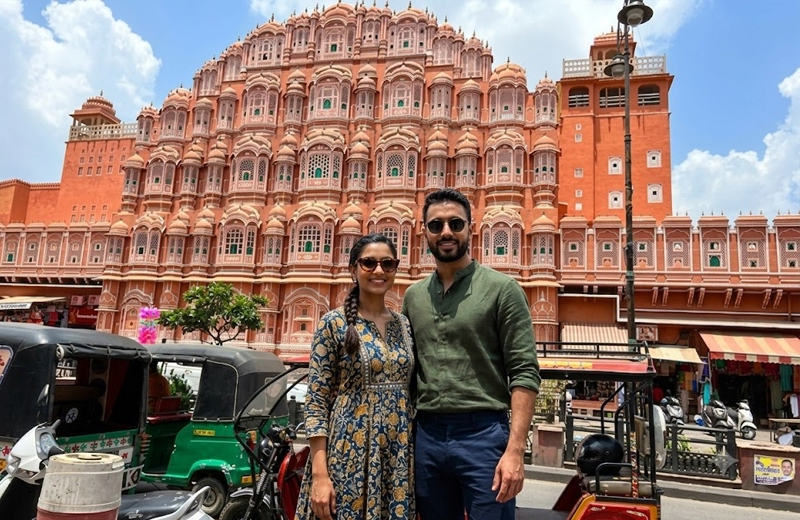
Jaipur takes a little more planning because its main attractions, like Amber Fort, sit outside the city centre. Ride-hailing apps work reasonably well here, and hotels can usually arrange a car for the day at a fair price. The old city markets are easy to explore on foot once you’re there, and getting mildly lost in the bazaars around Hawa Mahal is honestly part of the fun.
The Middle Ground: A Private Driver Without a Guide
If the idea of pure independent travel feels like too much admin, but a fully guided tour feels too scripted, there’s a middle option a lot of travellers don’t realise exists: hiring a private driver for the whole route without a guide attached.
You get picked up at your hotel, driven between cities in a comfortable vehicle, and dropped at each monument, but you walk in and explore on your own terms, at your own pace, with no one waiting to move you on to the next stop. It removes almost all the transport-related stress while still leaving the sightseeing entirely in your hands.
If you want to compare costs and inclusions for this option, take a look at this breakdown of
Delhi–Agra–Jaipur private driver costs, which is worth reading even if you end up going fully independent, just so you know what a fair local rate looks like.
Good to know: a private driver is not the same as a guide. Drivers generally won’t walk you through the monuments or narrate history, though many can point you toward good local food and help translate simple requests.
Budget Guide: Guided vs Independent Cost Comparison
Cost is one of the biggest reasons travellers consider skipping a guide, so it’s worth being honest about where the savings actually come from and where they don’t.
- Guide fees: a full guided package usually bundles a guide’s fee into the total price, so removing the guide can lower your daily cost, but the saving is smaller than most people expect once you add up transport booked separately.
- Transport: trains booked yourself are usually cheaper than a private vehicle, but a private vehicle without a guide often costs less than a fully guided package.
- Entry tickets: monument entry fees are the same whether or not you have a guide, since guides charge separately for their service.
- Time cost: the biggest “cost” of going independent isn’t money, it’s the hours you’ll spend researching, booking and occasionally waiting around that a guided trip handles for you.
For most travellers, the real financial difference between a fully independent trip and a driver-only trip (no guide) is smaller than the difference between either of those and a fully guided luxury package. Budget accordingly rather than assuming a guide automatically doubles your costs.
Sample 7-Day Self-Guided Golden Triangle Itinerary
Here’s a realistic pace for independent travellers who want to see the highlights without rushing every single day.
Day 1–2: Delhi
Arrive, settle in, and use day one for Old Delhi: Red Fort, Jama Masjid, Chandni Chowk. Day two covers New Delhi: Humayun’s Tomb, India Gate, Lotus Temple, and an evening in Connaught Place.
Day 3: Travel to Agra + Taj Mahal Sunset
Take an early train to Agra, check into your hotel, and spend the afternoon at Agra Fort before catching the Taj Mahal from the Mehtab Bagh side around sunset.
Day 4: Taj Mahal Sunrise + Travel to Jaipur
Get to the Taj Mahal for sunrise, when it’s quieter and cooler, then travel on to Jaipur in the afternoon.
Day 5–6: Jaipur
Day five covers Amber Fort in the morning and City Palace in the afternoon. Day six is for Hawa Mahal, Jantar Mantar and the old city markets.
Day 7: Return to Delhi
Travel back to Delhi for your onward flight, or use the day for last-minute shopping if your flight is the next morning.
Common Mistakes Independent Travellers Make
- Not booking train tickets early enough: popular trains and classes sell out, especially in peak season.
- Trusting “helpful strangers” near monuments: unofficial guides and touts often approach independent-looking travellers first.
- Underestimating travel time: road distances that look short on a map can take much longer with traffic.
- Skipping research on monument rules: the Taj Mahal, for example, is normally closed to general visitors on Fridays, and some sites restrict bag sizes or photography equipment.
- Overpacking the itinerary: trying to fit all three cities and every attraction into four days usually leaves you exhausted rather than satisfied.
- Not carrying enough cash for small vendors: cards and digital payments are common, but not universal, especially in old-city markets.
Local Expert Tips
- Agree on a taxi or rickshaw fare before you get in, not after, even if a meter is present.
- Buy monument tickets online in advance where possible, since it avoids ticket-counter queues and reduces contact with touts.
- Keep a printed or offline copy of your hotel address and key train timings, since mobile signal can be patchy in some old-city areas.
- If you want historical context without a full guide, a good audio guide at the Taj Mahal or a well-reviewed guidebook covers a lot of ground.
- Early mornings are your friend everywhere on this route: cooler weather, thinner crowds, better light for photos.
Safety Tips for Independent Travel on the Golden Triangle
- Use registered taxi services or ride-hailing apps rather than flagging unmarked vehicles on the street.
- Keep valuables in a money belt or secure bag, particularly in crowded market areas.
- Stay aware of your surroundings around monument entrances, where crowds and touts can make pickpocketing easier.
- Drink bottled or filtered water and be cautious with street food if you have a sensitive stomach, especially early in the trip.
- Share your daily itinerary with someone back home, and keep a copy of your passport and visa details stored separately from the originals.
- Confirm current safety advisories and local guidance from your government’s travel advisory site before you go.
Best Time to Visit the Golden Triangle Without a Guide
October to March is the most comfortable stretch for this route, with cooler temperatures that make walking between monuments far more pleasant than during the summer heat. Independent travel is genuinely easier in this window too, since you’ll have more energy left for navigating trains and markets after a day of sightseeing. Summer months bring intense heat, especially in Agra and Jaipur, which can make solo logistics more draining.
Packing Tips for Independent Travellers
- Lightweight, modest clothing that covers shoulders and knees for temple and mosque visits
- Comfortable walking shoes, since forts and old-city lanes involve a lot of uneven ground
- A portable charger, since long train journeys and full sightseeing days drain phones fast
- A physical copy of key documents, in case of lost signal or a dead phone
- A scarf or shawl, useful for both sun protection and covering up at religious sites
- A small daypack that zips closed, better for markets and crowded monument entrances
Nearby Attractions Worth Adding to Your Route
If you have extra days and want to extend your independent trip, a few nearby destinations connect naturally to the Golden Triangle route.
- Fatehpur Sikri: a short trip from Agra, this abandoned Mughal city is easy to combine with a Taj Mahal day.
- Pushkar: a smaller, calmer town near Jaipur, good for travellers who want a break from bigger cities.
- Ranthambore: for wildlife lovers, this national park is a reasonable add-on from Jaipur or Agra with some route planning.
- Udaipur: a natural extension south of Jaipur if you have a few extra days for lakes and palaces.
You can read more about combining these stops in this guide to the
complete Golden Triangle travel route.
Related Guides You May Find Useful
- Top 10 Tourist Destinations in India
- Can You Visit the Taj Mahal in One Day?
- Taj Mahal Sunrise Tour from Delhi
- Delhi–Agra–Jaipur Private Driver Cost
- Golden Triangle Tour Packages (if you decide a guide suits your trip after all)
Frequently Asked Questions About Visiting the Golden Triangle Without a Guide
Is it safe to do the Golden Triangle without a guide?
Yes, plenty of independent travellers complete this route safely each year. Safety mostly comes down to booking reliable transport and staying alert in crowded spots, not from having someone walking beside you.
Do I need a guide to enter the Taj Mahal?
No. You can buy a ticket and walk in on your own. A guide adds context and history, but isn’t required for entry.
Is public transport reliable enough for the Golden Triangle?
Trains between the three cities are generally dependable and popular with independent travellers. Roads are well maintained, though traffic can extend journey times.
How much money can I save by skipping a guide?
You’ll save on the guide’s service fee, though the overall saving is usually more modest than expected once transport and tickets are booked separately.
What’s the biggest risk of travelling the Golden Triangle solo?
Wasted time from poor planning, overpaying unlicensed touts near monuments, and missing out on historical context you’d otherwise get from a guide.
Can a first-time visitor to India manage this route alone?
Yes, many do it every year, though it usually goes more smoothly with some advance planning and a flexible mindset if things don’t go exactly to schedule.
Is hiring a private driver instead of a guide a good middle ground?
Yes, a driver without a guide removes most transport stress while still leaving your sightseeing entirely in your own hands.
How many days do I need for a self-guided Golden Triangle trip?
Six to seven days works well, giving you enough time to handle transport, research on the go and still enjoy markets and food without rushing.
Are unofficial guides at the Taj Mahal legitimate?
Many are not officially licensed. It’s safer to book a guide in advance through a reputable operator or your hotel, or skip a guide entirely and use an audio guide instead.
Do I need to know Hindi to travel this route independently?
No. English is widely understood in hotels, ticket counters and most tourist areas across Delhi, Agra and Jaipur, though a few basic Hindi phrases can help in markets.
Should I book monument tickets in advance?
Yes, where possible. Booking online in advance for sites like the Taj Mahal and Amber Fort reduces queue time and limits contact with touts near ticket counters.
Is it cheaper to travel by train or hire a private car?
Trains booked independently are usually the cheaper option, while a private car offers more comfort and convenience at a moderate extra cost.
What should I do if I get lost in Old Delhi or Jaipur’s old city?
Stay calm, use offline maps if your data is patchy, and ask a shop owner rather than someone loitering near a tourist spot. Old-city lanes look confusing at first but are smaller than they feel.
Can I combine a guide for one city and go solo for the rest?
Yes, this is a common approach. Many travellers hire a guide just for Agra, where historical context matters most, and explore Delhi and Jaipur independently.
Final Thoughts
So, can you visit the Golden Triangle without a tour guide? Yes, without question. The monuments don’t check for one at the gate, the trains run whether or not you’ve booked a package, and the markets are just as fun to get lost in on your own.
What you’re really choosing between isn’t safety or access, it’s how you want to spend your time and energy. If planning is part of the fun for you, go independent and enjoy the process. If you’d rather spend your limited days actually looking at the Taj Mahal instead of figuring out which platform your train leaves from, a guide or at least a private driver will make the trip feel a lot less like work.
Either way, you don’t have to choose blind. If you’d like help comparing a fully independent plan against a private driver or a guided option, our travel team can put together a route, cost breakdown and honest recommendation based on your dates and travel style.