
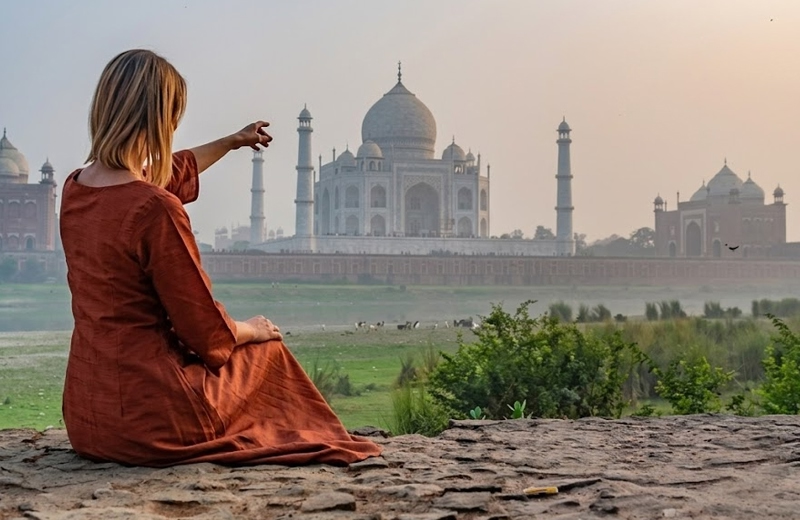
How Much Does a 7-Day Golden Triangle Tour Cost?
A 7-day Golden Triangle tour can be affordable, comfortable or genuinely luxurious. The route stays the same, covering Delhi, Agra and Jaipur, but the total cost changes quickly once you choose your hotels, transport, guides, meals and travel dates.
For most travellers, a sensible planning range is ₹25,000 to ₹45,000 per person for a budget trip, ₹55,000 to ₹95,000 per person for a comfortable mid-range trip, and ₹1,20,000 to ₹2,50,000 or more per person for a luxury trip. These estimates assume two people sharing a room and do not include international flights.
Indian travellers can usually complete the route for less because domestic travel is easier to arrange and monument entry rates are often lower. International visitors should allow extra money for visa fees, travel insurance, foreign visitor monument tickets, airport transfers, currency conversion and private support.
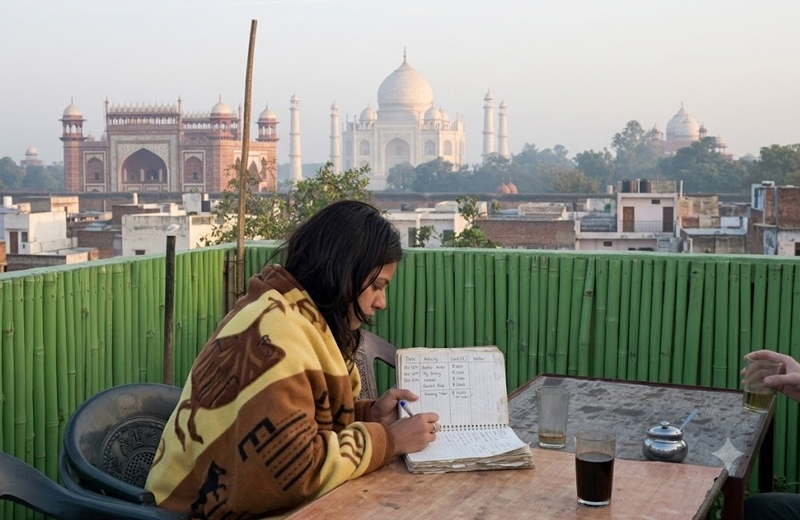
Quick Cost Guide
7-Day Golden Triangle Tour Cost at a Glance
These realistic estimates are based on two adults sharing one room for seven days and six nights. Choose the travel style that matches your comfort level and budget.
Best for most travellers
Budget to Comfortable Trip
What you can expect
- Budget, 3-star or 4-star hotel options
- Train, private sedan or SUV
- Breakfast and selected local guides
- Flexible choice for couples and families
Premium travel
Luxury Golden Triangle Trip
What you can expect
- 5-star, heritage or palace-style hotels
- Premium private vehicle with flexible timings
- Private guides and curated experiences
- Higher comfort, service and personal support
Cost Comparison
What Changes Between a Budget, Mid-Range and Luxury Trip?
Every traveller can visit the Taj Mahal, explore Old Delhi and walk through Amber Fort. A larger budget mainly gives you better hotels, easier transfers, more flexible timings and less time spent managing logistics.
| Expense | Budget Trip | Comfortable Trip | Luxury Trip |
|---|---|---|---|
| Accommodation | Guesthouse or basic hotel | Good 3-star or 4-star hotel | 5-star, heritage or palace hotel |
| Inter-city travel | Train, bus or shared transport | Private sedan or SUV | Premium SUV or luxury vehicle |
| Local sightseeing | Metro, auto-rickshaw and app cab | Private car with driver | Premium vehicle with flexible hours |
| Guides | Self-guided or one selected guide | Local guides in key cities | Experienced private guides |
| Meals | Local cafés and simple restaurants | Hotel breakfast and good restaurants | Fine dining and curated meals |
| Estimated cost | ₹25,000–₹45,000 per person | ₹55,000–₹95,000 per person | ₹1,20,000–₹2,50,000+ per person |
Indian Travellers
How Much Should Indian Travellers Budget?
Indian travellers have more ways to control the budget. You can use trains between cities, book app-based cabs, choose hotels according to your own comfort level and pay domestic entry rates at many monuments.
Budget Trip for an Indian Couple
A couple travelling from within India can often complete the route for around ₹50,000 to ₹80,000 in total, excluding flights or long-distance trains to Delhi. This generally means clean budget hotels, train travel or mixed transport, local meals and limited guide services.
Comfortable Private Trip for an Indian Couple
A comfortable trip for two people usually falls around ₹1,00,000 to ₹1,70,000 in total. This can cover six nights in good hotels, breakfast, a private air-conditioned vehicle, driver expenses, parking, tolls and selected guides. Monument tickets and most meals may still be separate.
Family Travel Costs
Families often receive good value from a private vehicle because everyone shares the same transport cost. The hotel bill may rise if you need extra beds, family rooms or a second room. Always check child policies before comparing hotel rates.
Costs Indian Travellers Often Miss
- Flights or trains to Delhi from the home city
- Last-minute railway fares
- Extra beds and child meal charges
- Holiday and weekend hotel surcharges
- Late-night airport transfers
- Shopping in Jaipur
International Travellers
How Much Should International Visitors Budget?
International visitors should calculate the cost in two parts. The first is the India land cost, which covers hotels, transport, sightseeing and meals. The second includes international flights, visa fees, insurance, foreign card charges and other arrival expenses.
Budget Estimate
Independent international travellers can plan around ₹40,000 to ₹65,000 per person for arrangements within India. This normally means budget accommodation, trains, local transport, simple meals and mostly self-guided sightseeing.
Comfortable Private Tour Estimate
A well-planned private trip usually falls around ₹70,000 to ₹1,10,000 per person when two people share a room and vehicle. The final amount depends on the month, hotel standard, guide inclusions and monument tickets.
Luxury Estimate
A luxury trip can begin around ₹1,40,000 per person and rise beyond ₹2,50,000 per person. Palace hotels, premium suites, fine dining and private cultural experiences can increase the cost quickly.
Important for Foreign Visitors
Check current monument ticket rules shortly before travel. Indian and foreign visitor rates may differ, and some special areas inside a monument can require an additional ticket.
Extra Costs to Include
- International return flights
- India visa or e-Visa fee
- Travel and medical insurance
- Foreign visitor monument tickets
- Airport arrival and departure transfers
- Currency conversion and card charges
- Local SIM or roaming cost
- Tips for guides, drivers and hotel staff
Detailed Planning
Complete Golden Triangle Trip Expense Breakdown
1. Hotel Cost
Accommodation is usually the biggest variable. Delhi has options in every category, but location matters. A very cheap hotel far from the main sights may increase travel time and local transport costs.
Agra hotels near the Taj Mahal are useful for a sunrise visit. Jaipur offers everything from simple city hotels to restored havelis and palace-style properties. Compare the final price after breakfast, taxes, extra beds and cancellation rules are included.
2. Delhi to Agra Transport
Delhi to Agra is a practical train route. A fast morning train can save money, but remember to add station transfers at both ends. A private car costs more but provides direct hotel-to-hotel travel.
3. Agra to Jaipur Transport
A private road transfer works well because Fatehpur Sikri lies naturally between Agra and Jaipur. Some travellers also add Abhaneri Stepwell. A road journey can turn a normal transfer into a useful sightseeing day.
4. Jaipur to Delhi Transport
You can return by train, road or flight. A flight may appear faster, but airport check-in, transfers and baggage rules reduce the time advantage on a short route.
5. Local Sightseeing Transport
Delhi’s metro is useful for independent travellers, but not every attraction sits close to a station. Old Delhi also involves walking and narrow lanes. In Agra and Jaipur, a full-day car often gives a smoother experience.
6. Monument Tickets
Paid sights can include the Taj Mahal, Agra Fort, Humayun’s Tomb, Qutub Minar, Amber Fort, City Palace and Jantar Mantar. Rates can differ by visitor category and may change over time.
Check the Meaning of “Sightseeing Included”
Some packages use this phrase only to mean that a vehicle will take you to the monuments. Entry tickets may still be payable separately. Ask for a written list of inclusions.
7. Local Guide Charges
A guide is most useful where history and context improve the experience. The Taj Mahal, Old Delhi and Jaipur’s heritage area are strong examples. You do not need a guide at every small stop.
8. Food and Drinks
Food is flexible. A local meal can be inexpensive, while a premium hotel dinner can cost several times more. Many mid-range travellers choose hotel breakfast, a simple lunch near the sightseeing route and a relaxed dinner.
9. Driver Allowance, Tolls and Parking
A private vehicle quotation should clearly state whether fuel, driver allowance, interstate taxes, tolls and parking are included. A very low car price may become expensive after these costs are added.
10. Shopping and Personal Expenses
Jaipur’s textiles, jewellery and handicrafts can quickly increase the budget. Agra is known for marble inlay and leather goods. Shopping should always remain optional, and you should never feel pressured to enter a particular showroom.
Suggested Itinerary
Sample 7-Day Golden Triangle Itinerary and Daily Costs
Day 1
Arrive in Delhi
Your main costs are airport pickup, hotel accommodation and meals. An early arrival may allow a light visit to India Gate, Connaught Place or Gurudwara Bangla Sahib.
Day 2
Old Delhi and New Delhi
Allow for a vehicle, guide, monument tickets, a rickshaw ride and meals. A sensible route saves time because Delhi’s attractions are spread across the city.
Day 3
Delhi to Agra
The main expense is the train or private transfer. After arrival, you can visit Agra Fort, Mehtab Bagh or Itmad-ud-Daulah.
Day 4
Taj Mahal Sunrise and Agra to Jaipur
Costs can include the Taj Mahal ticket, optional main mausoleum access, a guide, breakfast, the Agra-to-Jaipur transfer and Fatehpur Sikri entry.
Day 5
Jaipur Heritage Sightseeing
Amber Fort, City Palace, Jantar Mantar, Hawa Mahal and Jal Mahal can fill the day. A full-day car is convenient when several sites are planned.
Day 6
Jaipur Markets and Local Experiences
You can add Nahargarh Fort, Albert Hall Museum, a cooking class, food walk or block-printing experience. Optional activities can make this day more expensive.
Day 7
Return to Delhi or Depart
Include the final transfer and possibly a day-use hotel or extra meal if your flight leaves late. Avoid a very tight international connection after a long road journey.
Travel Style
Private Golden Triangle Package or DIY Trip?
Booking Everything Yourself
DIY travel can be cheaper and gives you full control over hotels, trains and sightseeing.
Best For
- Experienced independent travellers
- People comfortable using trains and local transport
- Travellers with time to research each booking
Booking a Private Package
A private package keeps the main arrangements under one plan and gives you local support.
Best For
- First-time visitors to India
- Families, couples and older travellers
- People who prefer flexible hotel-to-hotel travel
Read our related guide: Delhi Agra Jaipur Private Driver Cost.
Practical Savings
How to Save Money Without Making the Trip Uncomfortable
- Travel outside the busiest winter weeks. Shoulder-season prices can be more reasonable.
- Use a train where it works well. Delhi to Agra is a practical railway journey.
- Choose hotel location over unnecessary facilities. A central hotel can save time and transport costs.
- Compare complete quotations. Include taxes, tolls, parking, guides, breakfast and transfers.
- Book guides only where they add value. You do not need a guide at every monument.
- Set a shopping budget before Jaipur. This protects the budget better than saving small amounts on every hotel.
Before You Pay
Golden Triangle Tour Booking Checklist
- Exact hotel names and room categories
- Breakfast and hotel taxes
- Vehicle type and luggage capacity
- Airport pickup and departure transfer
- Fuel, tolls, parking and state taxes
- Guide service in each city
- Monument tickets
- Train or flight details, if included
- Cancellation and amendment terms
- Emergency contact during the trip
- Daily vehicle hour or kilometre limits
- Any compulsory shopping stops
Plan Your Tour
Get a Personalised Delhi, Agra and Jaipur Quote
Tell us your travel dates, group size and hotel preference. We will help you build a practical 7-day Golden Triangle itinerary around your budget instead of forcing you into a fixed plan.
- Private air-conditioned transport
- Budget, mid-range and luxury hotel options
- Local guides in Delhi, Agra and Jaipur
- Flexible sightseeing and pickup times
- Clear inclusions and exclusions
Common Questions
Frequently Asked Questions About Golden Triangle Tour Costs
Open any question below for a clear answer. Prices are planning estimates and can change according to season, hotel choice and exact inclusions.
How much does a 7-day Golden Triangle tour cost per person?
A practical range is ₹25,000–₹45,000 per person for budget travel, ₹55,000–₹95,000 for a comfortable trip and ₹1,20,000–₹2,50,000 or more for luxury.
How much does the trip cost for an Indian couple?
An Indian couple may spend around ₹50,000–₹80,000 in total on a budget trip or ₹1,00,000–₹1,70,000 for a comfortable private trip. Travel to Delhi may be additional.
How much should an international visitor budget?
For arrangements within India, plan around ₹40,000–₹65,000 per person for budget travel or ₹70,000–₹1,10,000 for a comfortable private trip. International flights, visa and insurance are separate.
What is normally included in a Golden Triangle package?
A package may include hotels, breakfast, private transport, driver expenses, airport transfers and selected guides. Tickets, most meals, tips and personal expenses are often excluded unless clearly listed.
Is seven days enough for Delhi, Agra and Jaipur?
Yes. Seven days gives you enough time for Delhi’s main sights, a Taj Mahal sunrise visit, Agra Fort and two useful days in Jaipur without rushing every transfer.
What is the biggest expense?
Accommodation is usually the biggest variable, followed by private transport. Monument tickets and meals matter, but they create a smaller difference between budget and luxury travel.
Is a private car worth the extra cost?
It is often worth it for couples, families, older travellers and first-time visitors because it provides hotel-to-hotel transfers, luggage convenience and flexible stops.
Are monument tickets included?
Not always. Some packages include sightseeing transport but exclude entry tickets. Ask for a written list that names every included ticket.
Do foreign visitors pay more at monuments?
Many protected monuments use separate rates for Indian and foreign visitors. Check current official prices before travel because rules and rates can change.
When is the cheapest time to travel?
Prices can be lower outside the winter peak season. Shoulder-season travel often gives a better balance of weather, hotel availability and cost.
Final Planning Advice
Choose the Cost Level That Matches Your Travel Style
A Golden Triangle trip does not have one correct price. A budget traveller using trains and simple hotels can see the same famous monuments as someone staying in heritage properties with a private driver.
Decide where comfort matters most. A well-located hotel saves time. A private vehicle makes family travel easier. A good local guide can turn a quick photo stop into a memorable visit.
Before paying, ask for a complete quotation showing the hotel names, room type, vehicle, guides, tickets, taxes, transfers and exclusions. That will tell you far more than the lowest headline price.