
The Best Shopping in India’s Golden Triangle
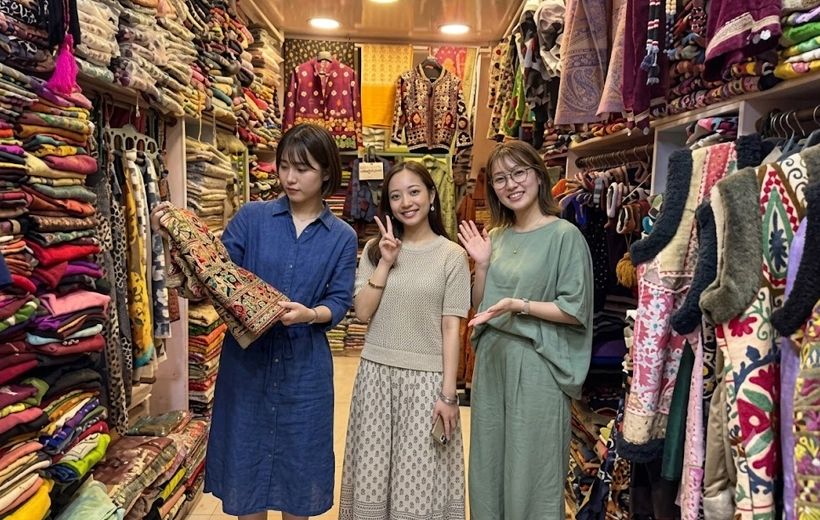
The best shopping in India’s Golden Triangle depends on what you want to bring home. Delhi is best for variety, spices, textiles and street fashion. Agra is known for marble inlay and leather goods. Jaipur is the strongest overall shopping city for gemstones, jewellery, blue pottery and block-printed fabrics.
Shopping on this route can be genuinely memorable, but it helps to know where each city shines. The markets are lively, prices vary widely and tourist-focused shops often look more convincing than they are.
This guide shows you what to buy, where to shop, how to bargain, how to spot poor-quality products and when paying a little more is actually the smarter choice.
Quick Answer
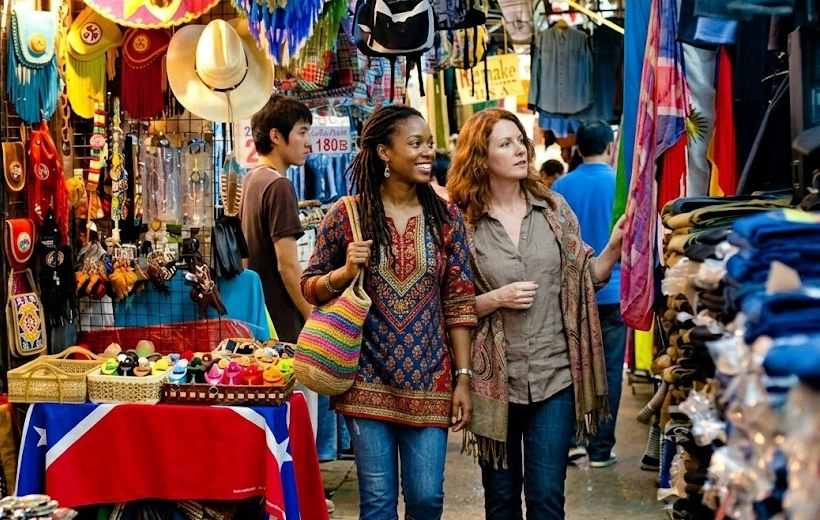
Where Is the Best Shopping on the Golden Triangle Tour?
Choose the city according to the craft. Delhi works best for variety, Agra for specialist souvenirs and Jaipur for the strongest overall mix of traditional products.
Best for variety
Delhi
Good For
- First-time market shoppers
- Everyday souvenirs
- Street fashion
- Crafts from across India
Best overall shopping city
Jaipur
Good For
- High-value purchases
- Traditional jewellery
- Block prints and Bandhani
- Blue pottery
Three Cities, Three Craft Traditions
Why the Golden Triangle Is One of India’s Best Shopping Routes
Delhi, Agra and Jaipur developed around royal courts, trade routes, artisan communities and large local markets. That history still shapes what each city sells today.
Delhi gathers products from across India. Agra’s strongest craft identity comes from marble inlay and leather work. Jaipur has deep links with jewellery, gemstones, painted pottery and hand-printed textiles.
The result is a route where you can buy very different things without travelling across several states.
City 1
Shopping in Delhi: Variety, Spices and Street Fashion
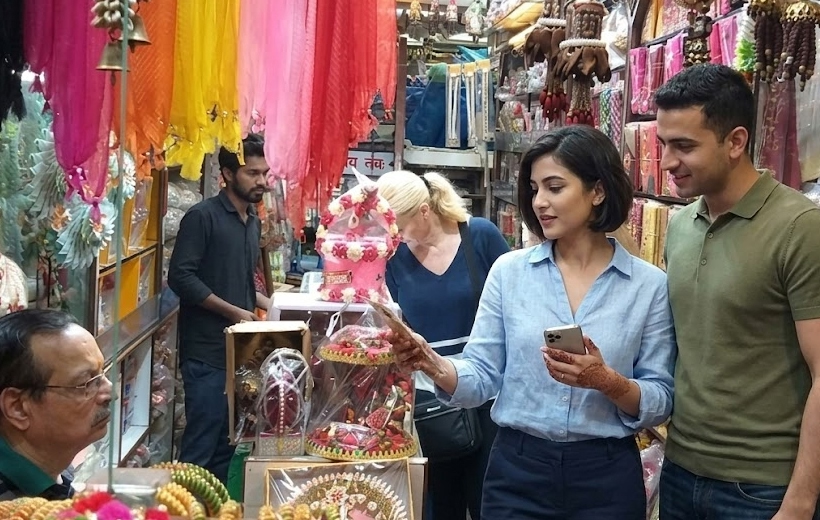
Delhi offers the widest range of shopping on the Golden Triangle. The city has old wholesale bazaars, street markets, modern malls, government emporiums and curated craft spaces.
Chandni Chowk
Chandni Chowk is one of Delhi’s oldest market areas. Different lanes specialise in textiles, wedding clothing, silver, spices, paper goods and food.
The area is crowded and can feel confusing, so go with a short list instead of trying to browse everything.
Dilli Haat
Dilli Haat is easier for travellers who want crafts from different Indian states in one organised place. Prices may be higher than street bazaars, but the shopping experience is more relaxed.
Janpath Market
Janpath is useful for affordable clothing, accessories, bags, jewellery and casual souvenirs. Bargaining is expected in many stalls.
Sarojini Nagar
Sarojini Nagar is known for budget fashion and export-surplus clothing. It is better for bargain hunters than for travellers looking for traditional crafts.
Khan Market and Select Citywalk
These suit travellers who prefer branded stores, boutique products, fixed prices and air-conditioned comfort.
Best Things to Buy in Delhi
Spices, scarves, textiles, books, street fashion, leather bags, jewellery, handicrafts and regional souvenirs.
City 2
Shopping in Agra: Marble Inlay and Leather Goods
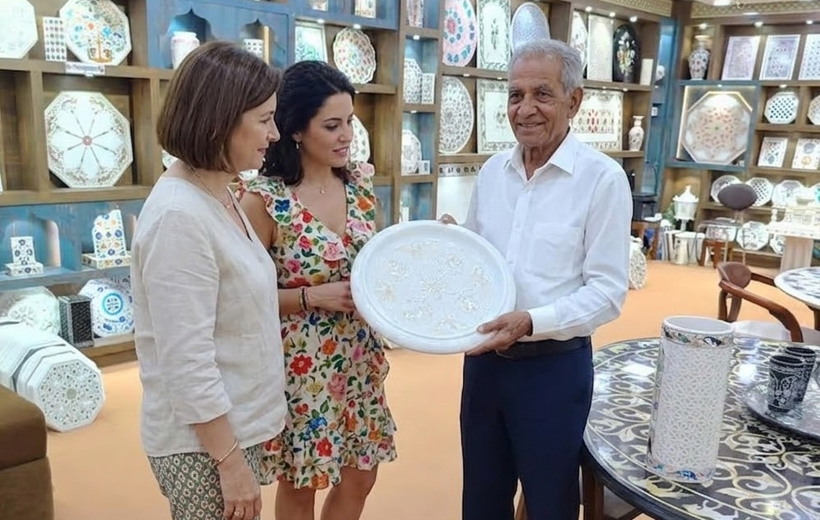
Agra’s shopping identity is closely connected to the Taj Mahal. Marble inlay, sometimes called pietra dura, uses coloured stone pieces set into marble to create floral and geometric patterns.
Marble Inlay Work
Small boxes, coasters, plates and tabletops are common. The price depends on the size, amount of handwork, quality of marble and stones used.
Do not buy the first piece shown to you. Compare at least two shops and ask whether the design uses real stone or coloured resin.
Leather Footwear and Bags
Agra is also known for leather footwear, belts, wallets and bags. Check stitching, lining, smell and finishing before buying.
Kinari Bazaar
Kinari Bazaar offers textiles, wedding accessories, decorative items and everyday local shopping. It feels less polished than tourist stores near the Taj Mahal, but often more genuine.
Best Things to Buy in Agra
Marble inlay souvenirs, leather shoes, belts, wallets, rugs, embroidered textiles and decorative items.
Before planning your sightseeing and shopping time, read our guide on visiting the Taj Mahal in one day.
City 3
Shopping in Jaipur: Gemstones, Jewellery and Textiles
Jaipur is the strongest overall shopping destination on the Golden Triangle. The city is especially known for jewellery, gemstones, block printing, Bandhani textiles, blue pottery and traditional footwear.
Johari Bazaar
Johari Bazaar is Jaipur’s best-known jewellery market. You will find gold, silver, kundan, meenakari and precious or semi-precious stones.
For expensive purchases, use an established jeweller and ask for a detailed invoice and certificate.
Bapu Bazaar
Bapu Bazaar is popular for textiles, mojari footwear, bags, scarves and affordable souvenirs. It is lively, easy to combine with old-city sightseeing and suitable for budget shopping.
Tripolia Bazaar
Tripolia Bazaar is known for lac bangles, metalware and traditional household products.
Blue Pottery
Jaipur’s blue pottery is made with a quartz-based body rather than standard clay. Designs often feature floral, animal and geometric patterns.
Block-Printed Textiles
Sanganeri and Bagru-style prints are among the most useful things to buy because they are lightweight, easy to pack and available as clothing, table linen, bed covers and fabric lengths.
Best Things to Buy in Jaipur
Gemstones, silver jewellery, kundan and meenakari work, blue pottery, block-printed textiles, Bandhani, mojari footwear and lac bangles.
See our Golden Triangle tour packages if you want sightseeing and market time planned together.
City-by-City Comparison
What to Buy in Delhi, Agra and Jaipur
| City | Best Products | Best Markets | Best For |
|---|---|---|---|
| Delhi | Spices, textiles, street fashion, crafts and books | Chandni Chowk, Dilli Haat, Janpath | Variety and budget shopping |
| Agra | Marble inlay, leather footwear and decorative items | Kinari Bazaar and established workshops | Specialist souvenirs |
| Jaipur | Gemstones, jewellery, pottery and printed textiles | Johari Bazaar, Bapu Bazaar, Tripolia Bazaar | Best overall traditional shopping |
Buy With Confidence
Authentic Regional Products Worth Looking For
Agra Marble Inlay
Look for clean hand-cut patterns, natural stone variation and solid marble weight.
Jaipur Blue Pottery
Choose pieces with even glazing, clean painting and no hidden cracks.
Sanganeri Prints
These often use delicate floral patterns on light-coloured fabric.
Bandhani Textiles
Traditional tie-dye patterns vary in detail and quality. Handwork usually looks less mechanically perfect.
Kundan and Meenakari Jewellery
Buy expensive pieces only from known jewellers with complete billing.
Handmade Mojari
Check the sole, stitching and comfort. Decorative pairs are not always suitable for long walking.
Pay a Fair Price
How to Bargain Without Making It Awkward
- Ask the price calmly. Do not show too much excitement before you know the range.
- Compare nearby shops. This gives you a realistic idea of the market price.
- Make a reasonable counteroffer. Extremely low offers can end the conversation.
- Bundle small items. Buying several pieces often makes a better discount possible.
- Be willing to walk away. If the price does not feel right, leave politely.
- Do not bargain in fixed-price shops. Government emporiums and branded stores usually display final prices.
Best Bargaining Attitude
Keep it friendly. Bargaining works better as a light conversation than a confrontation.
Quality Checks
How to Spot Genuine and Poor-Quality Products
Marble Inlay
Real marble feels cool and heavy. Natural stone pieces show small variations in colour. Plastic or resin copies are usually lighter and more uniform.
Gemstones
Do not rely on verbal promises. Ask for the stone name, treatment details, weight, certificate and itemised bill.
Textiles
Look at the reverse side of printed fabric. Hand printing may show small variations, while mass-produced printing often looks perfectly identical.
Carpets
Ask whether the carpet is hand-knotted, hand-tufted or machine-made. These are different products and should not be priced the same.
Leather
Check stitching, lining, hardware and finishing. A strong chemical smell may indicate poor processing or synthetic material.
Avoid These Problems
Common Shopping Scams and Pressure Tactics
- Commission stops: drivers or guides may take visitors to shops that pay commissions.
- Fake closing sales: claims that a shop is closing today are often used to create pressure.
- Unrealistic gemstone discounts: valuable stones are not normally sold cheaply to strangers in the street.
- Copy products sold as handmade: ask where and how the item was produced.
- Inflated shipping promises: confirm courier name, tracking and insurance in writing.
- Credit card currency conversion: check whether the terminal is charging in rupees or your home currency.
- No-return high-value purchases: read the invoice terms before paying.
Do Not Feel Obligated to Buy
A workshop demonstration, cup of tea or long sales presentation does not create an obligation to purchase anything.
Plan Your Spending
How Much Should You Budget for Shopping?
| Shopping Style | Suggested Budget | What It May Cover |
|---|---|---|
| Light souvenir shopping | ₹2,000–₹5,000 | Scarves, pottery, small marble items and simple gifts |
| Comfortable shopping budget | ₹5,000–₹15,000 | Better textiles, footwear, jewellery and several gifts |
| Premium purchases | ₹15,000–₹50,000+ | Fine jewellery, larger marble work, carpets or designer products |
High-value jewellery, carpets and furniture can cost far more. Treat these as separate purchases rather than part of a casual souvenir budget.
Large Purchases
Can You Ship Shopping Home From India?
Yes. Many established stores arrange international shipping for carpets, furniture, large marble pieces and bulk purchases.
- Ask for the courier or freight company name.
- Get the shipping charge in writing.
- Confirm insurance and tracking.
- Keep the invoice and product description.
- Ask who pays customs duties in the destination country.
- Photograph the product before packing.
For expensive purchases, paying by card can provide a clearer transaction record than cash.
How to Pay
Cash, Card or UPI?
Cash
Useful in bazaars, small stalls and for low-value purchases. Carry smaller notes.
Credit or Debit Card
Better for established stores and high-value items. Check the final amount before entering your PIN.
UPI
Widely used in India, but many international travellers cannot use every local UPI option without compatible banking or wallet access.
Bank Transfer
Use only with established businesses and after receiving a detailed invoice.
Make Time for Shopping
A Simple Golden Triangle Shopping Itinerary
Delhi
Old Delhi and Dilli Haat
Use one market session for Chandni Chowk and another for Dilli Haat or Janpath. Do not try to cover several large markets in one afternoon.
Agra
Marble Workshop and Local Bazaar
Visit one established marble workshop, compare prices and keep time for Kinari Bazaar or leather shopping.
Jaipur
Johari Bazaar and Bapu Bazaar
Keep at least half a day for Jaipur shopping. Visit jewellery stores first when you are fresh, then browse textiles and footwear.
For route planning, see our 7-day Golden Triangle cost guide and private-driver cost guide.
Before You Buy
Golden Triangle Shopping Checklist
- Decide what you want before entering a market.
- Compare at least two shops for expensive products.
- Ask for certificates and detailed bills.
- Check stitching, weight, finish and material.
- Confirm whether the price includes tax.
- Ask about returns before paying.
- Keep receipts for customs and insurance.
- Photograph high-value purchases.
- Confirm shipping and tracking in writing.
- Leave fragile items in cabin baggage when practical.
- Do not buy under pressure.
- Keep part of your budget for Jaipur.
Related Golden Triangle Guides
Plan Shopping Around Your Complete Trip
Want Time for the Right Markets?
Plan a Golden Triangle Tour With Flexible Shopping Stops
Tell us what you want to buy and how much time you have. We can build a Delhi, Agra and Jaipur itinerary with sightseeing, private transport and realistic market time.
- Flexible market and sightseeing schedule
- Private driver options
- Delhi, Agra and Jaipur route planning
- Clear trip costs before booking
Common Questions
Frequently Asked Questions About Golden Triangle Shopping
Open a question below for a direct answer.
What is the best place to shop on the Golden Triangle tour?
Jaipur is the best overall shopping city for gemstones, jewellery, blue pottery and textiles. Delhi offers the widest variety, while Agra is best for marble inlay and leather.
What should I buy in Delhi, Agra and Jaipur?
Buy spices, textiles and street fashion in Delhi, marble inlay and leather in Agra, and jewellery, gemstones, pottery and printed fabrics in Jaipur.
Is bargaining normal in India?
Yes, bargaining is common in local bazaars and street markets. Fixed-price emporiums, malls and branded shops usually do not bargain.
How do I know whether Agra marble inlay is genuine?
Real marble feels heavy and cool, while natural stones show slight colour variation. Ask whether the design uses real stone or resin.
Is it safe to buy gemstones in Jaipur?
Yes, when you use an established jeweller and receive a proper certificate and itemised bill. Avoid street offers promising valuable stones at unrealistic prices.
Can shops ship purchases internationally?
Many established stores can ship carpets, furniture, marble and other large items. Confirm courier details, tracking, insurance and customs responsibility in writing.
Should I shop with my driver or guide?
You can ask for transport help, but do not feel required to buy from a recommended shop. Some stores pay commissions, so compare independently.
Which is better, local bazaars or fixed-price emporiums?
Local bazaars can offer lower prices and more atmosphere. Fixed-price emporiums are easier for travellers who prefer less bargaining and clearer quality assurance.
How much should I budget for souvenirs?
₹2,000 to ₹5,000 can cover light souvenir shopping. Better textiles, jewellery and several gifts may require ₹5,000 to ₹15,000 or more.
Can I pay by card in the markets?
Established stores often accept cards, while smaller market stalls may prefer cash or local digital payments. Carry more than one payment option.
What should I avoid buying?
Avoid uncertified high-value gemstones, products made from protected wildlife, fake antiques and anything the seller cannot describe clearly on the invoice.
Which city should get the most shopping time?
Jaipur deserves the most shopping time because it offers the strongest mix of jewellery, gemstones, textiles, pottery and traditional crafts.
Final Advice
Shop for What Each City Does Best
The smartest way to shop on the Golden Triangle is not to buy the same souvenirs in every city. Use Delhi for variety, Agra for marble and leather, and Jaipur for jewellery, pottery and textiles.
Take time to compare quality, ask direct questions and request paperwork for expensive items. A lower price is not a bargain when the product is fake, poorly made or impossible to return.
Keep the experience enjoyable. The best purchase is not the one a salesperson pushes hardest. It is the item you understand, genuinely like and will still value after the trip is over.