
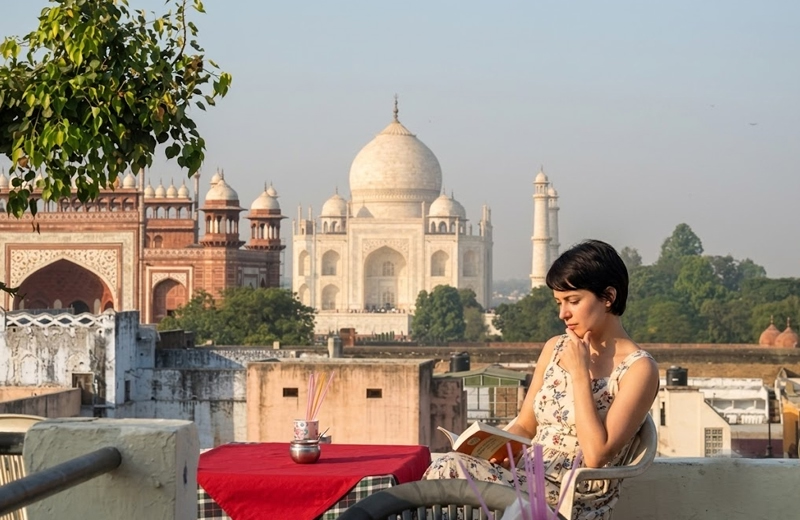
What Is the Cheapest Way to Do the Golden Triangle Tour?
The cheapest practical way to visit Delhi, Agra and Jaipur is to book the trip independently, use trains between cities, stay in well-reviewed budget hotels or hostels, eat at local restaurants and pay only for the attractions you genuinely want to enter.
You do not need a luxury hotel or a private car every day to enjoy India’s Golden Triangle. The Taj Mahal looks the same whether you arrive by train or chauffeur-driven vehicle. A fresh thali in Jaipur can be more memorable than an expensive hotel dinner.
The goal is not to cut every cost until the trip becomes tiring. It is to spend carefully on transport, accommodation and sightseeing so that you still have enough time and energy to enjoy the route.
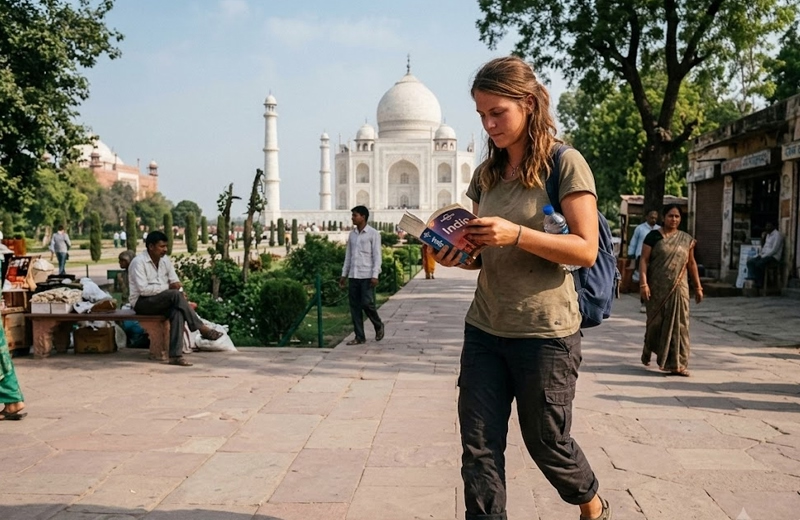
Quick Answer
The Cheapest Golden Triangle Plan at a Glance
For most budget travellers, the best combination is train travel, clean guesthouses, public transport and local meals. Six to seven days gives enough time without adding unnecessary hotel nights.
Lowest Practical Cost
Independent Budget Trip
Train and metro
Use buses where schedules are convenient.
Hostel or guesthouse
Choose recent reviews and a useful location.
Best Money-Saving Choices
- Book trains directly and early
- Stay close to a metro or railway station
- Eat at busy local restaurants
- Use guides only at selected heritage sites
Better Comfort Without Luxury
Comfortable Budget Trip
AC train and selected private car
Use a car only where it saves useful time.
Where Extra Spending Helps
- Private room in a reliable hotel
- Agra to Jaipur road transfer via Fatehpur Sikri
- Licensed guide at the Taj Mahal
- Pre-arranged late-night airport transfer
Budget Basics
Where Your Money Actually Goes
Most Golden Triangle costs fall into four groups: transport, accommodation, food and monument tickets. Hotels and transport create the largest difference between a backpacker trip and a comfortable private tour.
Transport
This includes journeys between Delhi, Agra and Jaipur, station transfers and local sightseeing. Trains and public transport create the largest savings.
Accommodation
A clean guesthouse near useful transport often gives better value than a cheap but remote hotel that requires several taxi journeys each day.
Food
Local restaurants and dhabas can keep daily meal costs low. Hotel dining rooms and tourist cafés usually charge more for convenience.
Monument Tickets
Entry fees are less flexible. Indian and international visitor rates may differ, and some special areas require an additional ticket.
Between the Cities
The Cheapest Way to Travel Between Delhi, Agra and Jaipur
Delhi to Agra by Train
Train travel is usually the best combination of speed, reliability and price. Faster morning trains can complete the Delhi to Agra journey in around two hours, allowing you to start sightseeing on the same day.
Book early when your dates are fixed. Lower-priced seats can sell out during weekends, festivals and the winter travel season.
Agra to Jaipur by Train or Bus
Trains and buses are the lowest-cost choices. A bus may offer more departure options, while a train can provide a more comfortable journey when suitable seats are available.
A shared road transfer can also be good value if you want to visit Fatehpur Sikri between Agra and Jaipur. Split between several travellers, the cost may be reasonable.
Jaipur to Delhi by Train
Trains are normally cheaper than flights and often more practical once airport travel, check-in and baggage procedures are included.
Compare the Complete Journey Cost
A cheap ticket may still require two taxi rides to and from distant stations. Add transfers, luggage, waiting time and arrival hour before deciding which option offers the best value.
Inside Each City
How to Keep Local Transport Costs Low
Delhi
Delhi Metro is inexpensive and useful for many major areas. Stay near a metro station when possible. Old Delhi still requires walking, a cycle-rickshaw or a short auto-rickshaw journey in some areas.
Agra
Agra is smaller, but the Taj Mahal, Agra Fort and other sights are spread across the city. Use app-based cabs or negotiate a clear half-day auto-rickshaw fare if you plan several stops.
Jaipur
Parts of the old city are walkable, but Amber Fort is outside the centre. Sharing a car or auto-rickshaw with other travellers can reduce the cost considerably.
Travellers considering private transport should read our Delhi Agra Jaipur private-driver cost guide.
Affordable Accommodation
Where to Stay Without Overspending
The absolute cheapest room is not always the best budget choice. A poorly located property can add transport costs and waste sightseeing time. Look for a practical location, recent reviews, secure storage and clear check-in rules.
Hostel Dorm
- Usually the lowest accommodation cost
- Good for solo travellers
- Useful for finding people to share transport
Private Hostel Room
- More privacy than a dorm
- Often cheaper than a hotel
- Access to social spaces and local advice
Budget Guesthouse
- Simple rooms and personal service
- Good for couples and independent travellers
- Confirm bathroom type and taxes
Budget Hotel
- Useful for families
- Private bathroom and reception desk
- Check breakfast and extra-bed charges
Early Check-In Can Add a Full Night
Many international flights arrive in Delhi early in the morning. Confirm whether the hotel provides early check-in or requires booking the previous night.
Affordable Meals
The Cheapest Way to Eat Well
Delhi, Agra and Jaipur all have inexpensive local restaurants, vegetarian cafés, dhabas and street-food areas. You can save a meaningful amount without eating poorly.
- Choose busy places with a steady flow of local customers.
- Prefer food cooked fresh and served hot.
- Use hotel breakfast when it is included.
- Check menu prices before ordering in tourist areas.
- Carry safe drinking water during long sightseeing days.
- Keep some budget for one special local meal.
Saving a small amount at an unhygienic stall is not worth losing a sightseeing day to illness.
Sightseeing Costs
How to Avoid Overspending on Monument Tickets
- Choose your priority sights. You do not need to enter every monument to enjoy each city.
- Check official booking options. Online tickets can save time and reduce confusion at the gate.
- Understand extra-access tickets. Some special areas may require a separate payment.
- Avoid unofficial ticket packages. Ask exactly what every charge includes.
- Confirm current visitor rates. Indian and foreign visitor prices can differ.
A Guide Is Not Required Everywhere
A licensed guide can add real value at the Taj Mahal, Old Delhi and Jaipur’s major heritage sites. For simpler attractions, self-guided sightseeing may be enough.
For a broader cost comparison, read how much a 7-day Golden Triangle tour costs.
Travel Style Comparison
Backpacker Travel vs Comfortable Budget Travel
| Category | Backpacker Style | Comfortable Budget Style |
|---|---|---|
| Accommodation | Hostel dorm or basic guesthouse | Private guesthouse room or budget hotel |
| Inter-city transport | Bus or standard train class | Air-conditioned train or shared car |
| Local transport | Metro, walking and shared autos | Metro, app cabs and selected day vehicle |
| Meals | Street food and simple local restaurants | Local restaurants with occasional premium meal |
| Guides | Mostly self-guided | Guide at selected major monuments |
| Planning effort | High | Moderate |
Suggested Route
A Practical 6-Day Budget Golden Triangle Itinerary
Day 1
Arrive in Delhi
Use the Airport Express or a pre-booked transfer according to your arrival time. Stay near a metro station and keep the first day light.
Day 2
Old and New Delhi
Use the metro for longer journeys, walk through Old Delhi and pay only for the monuments that interest you most.
Day 3
Morning Train to Agra
Check into a budget guesthouse, visit Agra Fort and see the Taj Mahal from a riverside viewpoint near sunset.
Day 4
Taj Mahal Sunrise and Travel to Jaipur
Visit the Taj Mahal early, return for breakfast and continue by train, bus or shared road transfer.
Day 5
Jaipur Heritage Sightseeing
Share transport to Amber Fort, then explore Hawa Mahal, City Palace and the old markets using walking and short local rides.
Day 6
Return to Delhi
Choose a train or bus that leaves enough time before your onward departure. Avoid a tight road connection before an international flight.
Six to seven days normally offers the best balance. See how many days you need for the Golden Triangle before reducing the itinerary.
Avoid Extra Costs
Common Budgeting Mistakes
- Booking trains too late: cheaper seats may no longer be available.
- Choosing a remote hotel: daily taxi costs can remove the saving.
- Accepting the first transport price: confirm the fare before starting.
- Planning too few days: rushed transfers can cost more and reduce sightseeing time.
- Ignoring taxes: compare the final payable hotel price.
- Using unofficial booking agents: commissions can increase train and ticket costs.
- Entering every attraction: prioritise the experiences that matter to you.
Travel Smart
Budget Travel Should Still Feel Safe
Saving money should not mean choosing an isolated hotel, unsafe late-night transport or unreliable booking source. Protect the basics first.
- Choose accommodation with recent reviews.
- Use official railway and ticket-booking channels.
- Keep cash and cards in separate places.
- Use registered app-based transport where practical.
- Lock valuables in hostel accommodation.
- Save hotel and emergency contact details offline.
- Drink safe water and choose freshly cooked food.
Women travelling independently can read our women-friendly Golden Triangle guide. Solo travellers may also find our solo Golden Triangle travel guide useful.
Seasonal Savings
When Is the Golden Triangle Cheapest?
Hotel demand usually rises during the most popular winter weeks, particularly around Christmas, New Year and major events. Shoulder-season travel often provides lower accommodation prices without the most difficult summer heat.
Peak Winter
Comfortable weather, high demand and higher hotel rates.
Shoulder Season
Often the best balance of price, availability and sightseeing comfort.
Hot Summer
Lower rates may be available, but afternoon sightseeing can be exhausting.
Monsoon Period
Possible hotel savings with humidity and occasional travel disruption.
Continue Planning
Related Golden Triangle Travel Guides
Need Help Planning?
Get a Budget-Conscious Golden Triangle Itinerary
Tell us your dates, group size and preferred comfort level. We can help you compare trains, selected private transport and hotel options without adding services you do not need.
- Clear inclusions and exclusions
- Budget and comfortable hotel choices
- Private transport only where useful
- Flexible Delhi, Agra and Jaipur sightseeing
Common Questions
Frequently Asked Questions About Cheap Golden Triangle Travel
Open any question below for a direct answer. Always check current train fares, hotel rates and monument fees before booking.
What is the cheapest way to travel between Delhi, Agra and Jaipur?
Standard air-conditioned trains normally provide the best balance of price, reliability and journey time. Buses may cost less but usually take longer.
Can I do the Golden Triangle on a backpacker budget?
Yes. Use hostels or guesthouses, book trains early, eat at local restaurants and use metro, walking and shared transport.
Is it cheaper to book a package or arrange everything separately?
Independent booking is normally cheaper, but it requires more research and coordination. A simple private plan can offer better value when time is limited.
What is the biggest expense on a Golden Triangle trip?
Accommodation and inter-city transport usually create the largest costs. Monument prices are less flexible.
Is street food cheap and safe?
Street food is inexpensive. Choose busy stalls, freshly cooked dishes and clean preparation areas.
How many days should a cheap Golden Triangle trip take?
Six to seven days is practical. A shorter trip may create rushed transfers, while extra days add hotel and meal costs.
Are trains cheaper than flights?
Yes. Flights rarely save enough time after airport transfers, check-in and baggage procedures are included.
Can I visit without a tour guide?
Yes. Many travellers explore independently. A licensed local guide can still be worthwhile at the Taj Mahal, Old Delhi and Jaipur’s major heritage sites.
What is the cheapest way to visit Amber Fort?
Share an auto-rickshaw or car with other travellers, or use local transport where available. Confirm the return fare beforehand.
Is travel insurance worth buying for a budget trip?
Yes. It is a small part of the total cost and can protect against medical emergencies, delays and lost belongings.
Final Advice
Save Money on the Big Decisions, Not on the Experience
The cheapest Golden Triangle trip is not simply the lowest price shown on a booking website. It is a trip that avoids expensive mistakes while protecting your time, safety and energy.
Use trains where they work well. Choose a clean room near useful transport. Eat local food at busy places. Pay for the monuments you genuinely want to experience, and avoid unnecessary shopping stops and add-ons.
With sensible planning, Delhi, Agra and Jaipur can remain affordable without feeling stripped down. You can still see the Taj Mahal at sunrise, walk through Old Delhi and enjoy a relaxed evening meal in Jaipur.