
Can You Visit the Taj Mahal in One Day?
Yes. A one-day Taj Mahal trip works very well from Delhi and is possible from Jaipur when you are comfortable with a longer road journey. The key is simple: start early, confirm the monument is open, pre-book your transport and keep the rest of the Agra itinerary realistic.
From Delhi, you can travel by a fast reserved train or private car, spend two to three hours inside the Taj Mahal complex, visit Agra Fort, eat a proper lunch and return the same evening. You do not need to rush through the monument or treat the day like a race.
This guide gives you the practical version of the trip. It covers the route that actually works, the stops worth keeping, the attractions that make the day too crowded and the small planning mistakes that can cost you the best part of the visit.
Quick Answer
Is One Day Enough for the Taj Mahal?
One day is enough when your main goal is to experience the Taj Mahal properly and add one major Agra attraction. From Delhi, this is a comfortable full-day trip. From Jaipur, it is possible but considerably longer by road.
Best overall option
One Day From Delhi
Comfortably Includes
- Taj Mahal
- Agra Fort
- Lunch
- Optional short extra stop
Possible but a longer day
One Day From Jaipur
Works Best For
- Travellers already based in Jaipur
- Private car users
- People comfortable with an early start
- Short India itineraries
A Practical Day Trip
Why Visiting the Taj Mahal in One Day Actually Works
Agra is close enough to Delhi for a same-day journey and compact enough that the city’s two most important monuments can be covered without racing between them.
The Taj Mahal complex normally needs around two to three hours for a first visit. Agra Fort takes roughly one to one and a half hours for most travellers. Add lunch, local transfers and a sensible time buffer, and the sightseeing still fits inside one complete day.
The trip becomes difficult only when people try to turn one day into a complete tour of every Mughal monument around Agra.
A Comfortable Day
Taj Mahal, Agra Fort, lunch and one short optional stop.
An Overloaded Day
Taj Mahal, Agra Fort, Fatehpur Sikri, shopping, several workshops and a fixed sunset stop.
Agra also sits on India’s established Golden Triangle route with Delhi and Jaipur. Uttar Pradesh Tourism highlights the Taj Mahal, Agra Fort and Fatehpur Sikri as the city’s three UNESCO World Heritage Sites, but you do not need to force all three into the same day.

Choose Your Starting City
Is It Better to Visit the Taj Mahal From Delhi or Jaipur?
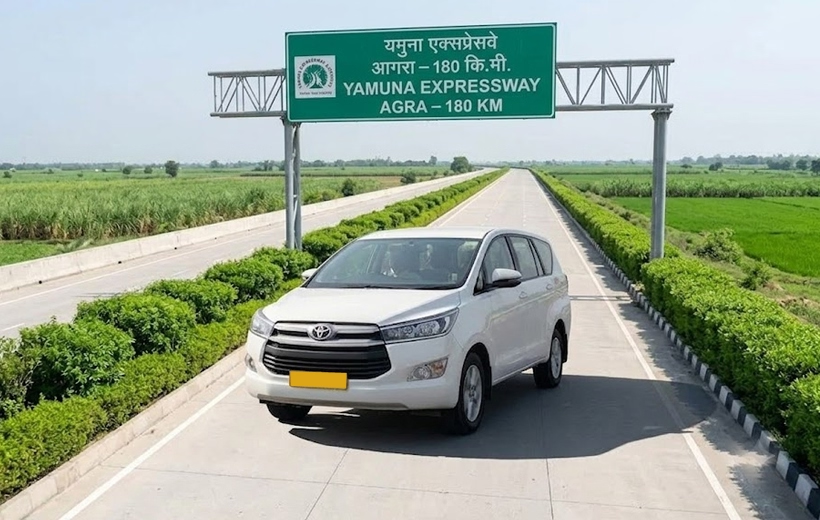
Delhi is the easier starting point. It offers both fast train connections and a direct expressway route by car.
Jaipur works when it already fits your itinerary, but the road journey is longer. A Jaipur departure makes sense when returning to Delhi would create an unnecessary detour.
| Starting City | Typical Road Journey | Best Transport | How the Day Feels |
|---|---|---|---|
| Delhi | About 3 to 4 hours | Fast train or private car | Full but comfortable |
| Jaipur | About 4 to 5 hours | Private car | Long and tiring, but possible |
Choose Delhi When
- You want the shortest overall day
- You prefer a fast train
- You are travelling with children or senior family members
- You want more time inside Agra
Choose Jaipur When
- You are already staying in Jaipur
- Your next destination is Agra or Delhi
- You have a private vehicle
- You do not mind returning late
Getting to Agra
Fast Train or Private Car: Which Is Better?
| Option | Main Advantage | Main Limitation | Best For |
|---|---|---|---|
| Fast reserved train | Shorter travel time | Fixed schedule and station transfers | Couples, solo travellers and light luggage |
| Private car | Door-to-door flexibility | Longer time on the road | Families, groups and senior travellers |
| Jaipur private car | Direct from your hotel | Long day with more road time | Travellers already following the Rajasthan route |
Fast Train From Delhi
Fast reserved trains from Hazrat Nizamuddin can reach Agra Cantt in under two hours. This is usually the quickest way to cover the distance.
Do not build the article or your travel plan around a permanently fixed departure time. Railway schedules, running days and platform details can change. Check the exact service on IRCTC shortly before booking and again before departure.
You will still need a driver or local transport waiting at Agra Cantt because the monuments are not beside the railway station.
Private Car From Delhi
A private car is slower than the fastest train but easier from door to door. Your driver collects you from the hotel, carries your luggage and moves you between the Taj Mahal, Agra Fort and lunch without another transfer.
This option also gives you more freedom if the Taj Mahal security line is longer than expected or your group needs extra rest.
Private Car From Jaipur
For Jaipur departures, a car is the practical choice. Start well before sunrise and avoid adding distant attractions unless you are staying overnight in Agra.
Choose Based on the Whole Day
The train wins on travel speed. The private car often wins on convenience once station transfers and local sightseeing are included.

Best Delhi Plan
A Realistic One-Day Taj Mahal Itinerary From Delhi
04:30–05:30
Leave Your Delhi Hotel
Car travellers should start before regular city traffic builds. Train travellers need enough time to reach Hazrat Nizamuddin, find the correct platform and board without stress.
07:30–09:00
Arrive in Agra
The exact arrival depends on your transport. Meet your local driver or guide and go directly to the Taj Mahal unless you genuinely need breakfast first.
08:00–11:00
Visit the Taj Mahal
Allow two to three hours for security, the main gateway, gardens, mausoleum platform, central chamber, mosque, eastern jawab and photography.
11:15–12:45
Explore Agra Fort
Focus on the main courtyards, palaces and viewpoints rather than trying to inspect every corner.
13:00–14:00
Stop for Lunch
Choose a clean restaurant close to your route. A long hotel lunch can quietly remove the time reserved for the afternoon.
14:15–15:15
Choose One Optional Stop
Visit Mehtab Bagh, Itimad-ud-Daulah or a genuine marble-inlay workshop. Pick one, not all three.
15:30–16:30
Begin the Return Journey
Leave enough margin for Delhi traffic or the transfer back to Agra Cantt.
Travellers who prefer a ready-made plan can view the One Day Agra Tour From Delhi or the Delhi Agra Same Day Train Tour.
Best Jaipur Plan
A Practical One-Day Taj Mahal Itinerary From Jaipur
A Jaipur day trip has less room for optional stops because the road journey is longer.
04:00–05:00
Leave Jaipur
An early hotel pickup protects your monument time and reduces the chance of reaching Agra in the strongest afternoon heat.
09:00–10:00
Reach the Taj Mahal
Go directly to the monument unless road conditions require a short break.
10:00–12:30
Visit the Taj Mahal
Keep enough time for the complete complex rather than photographing the front and leaving immediately.
12:45–14:00
Lunch
Keep lunch relaxed but efficient.
14:15–15:30
Visit Agra Fort
This is the most worthwhile second stop and requires less extra driving than Fatehpur Sikri.
15:45–16:30
Start the Return
Expect an evening arrival in Jaipur. Keep the following morning light if possible.
Timing Changes Everything
What Is the Best Time for a One-Day Taj Mahal Visit?
Early Morning
The first part of the day usually gives you cooler temperatures, softer light and a calmer visitor experience.
The monument’s official schedule is tied to sunrise and sunset rather than one fixed clock time all year. Confirm the current opening information for your date.
October to March
These are the most comfortable months for walking, but winter fog can affect road and train journeys in December and January.
April to June
Agra can become extremely hot. Visit the Taj Mahal as early as possible and move indoor or shaded stops into the afternoon.
July to September
Monsoon clouds can create dramatic photographs and lower crowd pressure, but rain may slow the road journey.
Friday Closure
The Taj Mahal is normally closed to general sightseeing visitors on Fridays. Always check the date before booking a train, driver or hotel.
Avoid Gate Confusion
Taj Mahal Tickets, Timings and Entry Rules
Ticket systems and charges can change, so avoid publishing an article that promises one permanent price.
Use the official monument ticketing route linked by the Agra district administration or the current official Taj Mahal website. Be careful with lookalike booking pages and sponsored search results.
- Confirm that your ticket includes the access you want
- Check the visit date and time slot
- Remember the Friday closure
- Carry valid identification when required
- Bring only essential belongings
- Avoid food, tobacco and prohibited equipment
- Follow current shoe-cover instructions
- Read photography signs inside the mausoleum
Do Not Trust Random Ticket Links
Start from an official government tourism, Agra district or monument website rather than clicking the first advertisement in search results.
Which Gate Should You Use?
The East and West gates are the main practical visitor entrances. Queue conditions change with season, parking arrangements and group traffic, so ask your driver or guide to choose according to live conditions rather than repeating an old rule that one gate is always faster.
Do Not See Only the Front View
What Should You See Inside the Taj Mahal Complex?
The Monumental Gateway
The first framed view of the mausoleum appears through the great red sandstone gateway. Do not rush through without looking at the calligraphy and changing proportions.
The Charbagh Garden
The formal garden and central water channel create the classic Taj Mahal composition. Walk away from the central axis as well, because the side paths are often calmer.
The Main Mausoleum
Walk around the marble platform and enter the visitor-accessible memorial chamber when your ticket permits it. The cenotaphs visible upstairs are symbolic; the real graves lie below.
The Mosque and Jawab
The mosque stands west of the mausoleum. A matching eastern building balances the platform. These structures help you understand the full design rather than treating the Taj Mahal as one isolated dome.
The River-Facing Side
The rear platform looks toward the Yamuna. It feels completely different from the formal garden view and often receives less attention from hurried groups.
Read What Is Inside the Taj Mahal? before your visit if you want to recognise the cenotaphs, marble screen and interior decoration.
Choose One Extra Stop
What Else Can You Visit in Agra in One Day?
Agra Fort
The strongest second attraction and the easiest major monument to combine with the Taj Mahal.
Mehtab Bagh
A riverside garden with a distant rear view of the Taj Mahal. Good when timing and visibility cooperate.
Itimad-ud-Daulah
A smaller marble mausoleum often called the Baby Taj. Better for architecture lovers than rushed checklist tourism.
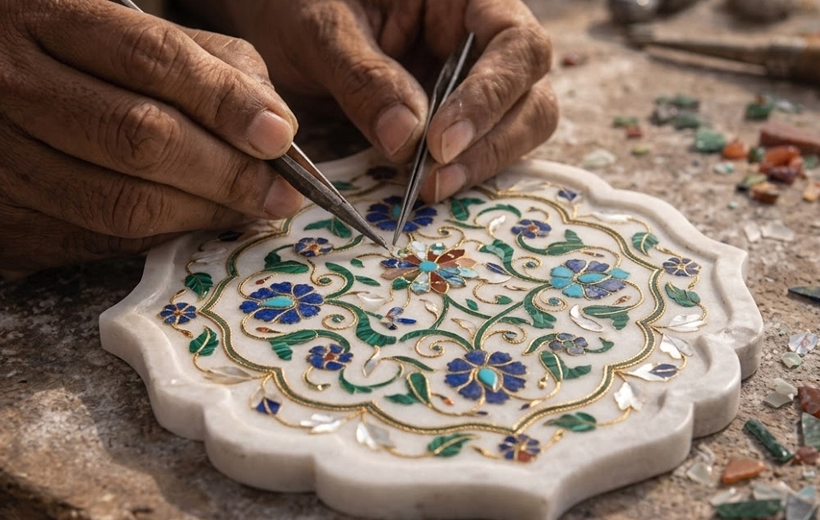
Marble Inlay Workshop
Interesting when it is a genuine demonstration, but do not feel obligated to buy anything.
What About Fatehpur Sikri?
Fatehpur Sikri is worth visiting, but it sits outside central Agra and deserves proper time. It fits more naturally into a two-day stay or a one-way journey between Agra and Jaipur.
Adding it to a Delhi return trip usually creates a long, compressed day.
Protect the Main Experience
What Should You Not Try to Fit Into One Day?
- Taj Mahal, Agra Fort and Fatehpur Sikri with a Delhi return
- Several long shopping stops
- A fixed sunrise visit after leaving Delhi the same morning by car
- Multiple marble, carpet and jewellery showrooms
- A slow luxury lunch plus several afternoon attractions
- A tightly timed international flight after returning to Delhi
Leave Space for Delays
Security queues, traffic, train delays and longer-than-expected monument visits are normal travel variables, not itinerary failures.
Plan the Real Cost
How Much Does a One-Day Taj Mahal Trip Cost?
The cost depends more on group size and transport than on the length of the sightseeing list.
| Travel Style | Indicative Per-Person Range | Usually Includes |
|---|---|---|
| Independent train trip | ₹3,000–₹7,000+ | Train, local transport, tickets and meals |
| Private car shared by 2–4 people | ₹4,000–₹10,000+ | Car, driver, tolls and sightseeing transport |
| Private guided package | ₹6,000–₹15,000+ | Transport, guide and selected inclusions |
| Premium private trip | ₹12,000+ | Luxury vehicle, premium dining and added services |
These are planning ranges, not fixed quotations. Monument fees, train fares, guide charges, vehicle category and inclusions change.
Ask whether your quotation includes tolls, parking, taxes, monument tickets, guide services, meals and airport or hotel pickup.
Choose the Right Pace
One Day vs Two Days in Agra
Best for limited time
One-Day Agra Trip
Choose This If
- Your India itinerary is short
- You are based in Delhi
- You do not need a sunrise visit
- You prefer not to change hotels
Best for depth and photography
Two-Day Agra Stay
Choose This If
- Photography matters to you
- You want a slower pace
- You are travelling with senior family
- Agra is part of a longer route
Adjust the Day to Your Group
One-Day Taj Mahal Advice for Different Travellers
Solo Travellers
A fast train can offer the best balance of cost and speed. Arrange your Agra pickup before arrival rather than negotiating outside the station.
Couples
A private car gives you more control over stops and meal timing. Keep Mehtab Bagh optional rather than promising yourselves a fixed sunset after a long day.
Families With Children
Use a private car, carry familiar snacks for the journey and reduce the afternoon sightseeing list. The Taj Mahal complex itself involves considerable walking.
Senior Travellers
Door-to-door transport is usually easier than changing between a hotel, station and local car. Ask about current mobility assistance and keep the itinerary focused on two monuments.
Wheelchair Users and Travellers With Limited Mobility
Historic architecture creates access limitations. Confirm the current route, assistance availability and mausoleum access before travel rather than assuming every level is step-free.
Photographers
Stay overnight when sunrise, sunset and changing light are central to the trip. A one-day visit can produce excellent images, but weather and traffic leave less control.
Avoid These Planning Errors
Common One-Day Taj Mahal Trip Mistakes
- Choosing a Friday: always verify the closure before booking.
- Leaving Delhi too late: late departure pushes the monument visit into hotter and busier hours.
- Using an old train timetable: check the current IRCTC schedule for the actual travel date.
- Buying through an unverified ticket website: begin from an official government source.
- Adding Fatehpur Sikri automatically: the extra road time can weaken the entire day.
- Accepting every shopping stop: commission-based visits quietly consume sightseeing time.
- Booking a same-night flight: road and rail delays make this unnecessarily risky.
- Carrying prohibited items: security problems waste time at the gate.
- Skipping the main mausoleum access option: check the ticket category before paying.
- Planning every minute: leave a real time buffer rather than a perfect spreadsheet itinerary.
Carry Less, Move Faster
What to Pack for a One-Day Agra Trip
- Passport or accepted identification
- Digital and offline ticket copies
- Comfortable walking shoes
- Light, breathable clothing
- Warm layer for winter mornings
- Sun protection and hat
- Permitted drinking water
- Essential medicine
- Small amount of cash
- Charged phone and permitted power bank
- Rain protection during monsoon
- Driver, hotel and emergency contacts
Related Taj Mahal Guides
Plan the Rest of Your Agra Visit
Want the Day Planned Properly?
Book a Private One-Day Taj Mahal Tour
Tell us your Delhi or Jaipur hotel, travel date and group size. We can plan the transport, Agra sightseeing and realistic return time around your actual schedule.
- Private car and fast-train options
- Agra pickup and local guide
- Flexible monument sequence
- Clear inclusions before booking
Common Questions
Frequently Asked Questions About Visiting the Taj Mahal in One Day
Open a question below for a direct answer.
Can you visit the Taj Mahal in one day from Delhi?
Yes. Delhi has direct expressway and fast-train connections to Agra. A planned day can include the Taj Mahal, Agra Fort and lunch before returning that evening.
Is one day enough to see the Taj Mahal properly?
Yes. Allow two to three hours for the Taj Mahal complex rather than treating it as a quick photography stop.
What is the best way to travel from Delhi?
A fast reserved train offers the shortest journey, while a private car provides easier door-to-door travel and more flexibility.
Can you visit the Taj Mahal in one day from Jaipur?
Yes, but the road journey is longer. Start very early and limit the Agra plan to the Taj Mahal, Agra Fort and lunch.
What time should I leave Delhi?
Car travellers commonly leave between 4:30 and 5:30 AM. Train travellers should follow the current confirmed departure and reach the station early.
Is the Taj Mahal closed on Friday?
The Taj Mahal is normally closed to general sightseeing visitors every Friday. Verify the official schedule before booking.
Can I see the Taj Mahal and Agra Fort in one day?
Yes. This is the best two-monument combination for a same-day Agra visit.
Can I add Fatehpur Sikri?
It is possible on a very long day, but it is better suited to an overnight stay or a one-way Agra-to-Jaipur route.
Should I book a guide?
A knowledgeable authorised guide can save time and explain the monument’s design, history and interior details during a short visit.
How long should I spend inside the Taj Mahal complex?
Most first-time visitors should allow approximately two to three hours, including security and the main mausoleum.
How much does a one-day trip cost?
Costs vary by transport, group size, guide, monument tickets and meals. Independent trips can cost less, while private guided tours cost more.
Is the train always faster than a car?
The fastest train has a shorter station-to-station journey, but hotel transfers and local Agra transport also need to be included in the comparison.
Can I visit at sunrise from Delhi on the same day?
A true sunrise entry normally requires leaving Delhi in the middle of the night by car. Staying overnight in Agra is more comfortable and reliable.
What should I wear?
Wear comfortable, modest clothing and walking shoes that are easy to manage around the marble platform.
Should I book tickets in advance?
Yes. Advance official booking reduces uncertainty, but always begin from a verified government or official monument website.
Final Advice
One Day Is Enough When You Protect the Important Hours
A same-day Taj Mahal trip is not a second-rate version of an Agra visit. From Delhi, it is one of India’s most practical major day trips.
The mistake is not visiting for one day. The mistake is trying to visit everything in one day.
Start early, see the Taj Mahal properly, add Agra Fort and leave the rest flexible. That simple plan gives you a memorable day without turning one of the world’s great monuments into a rushed checklist.