
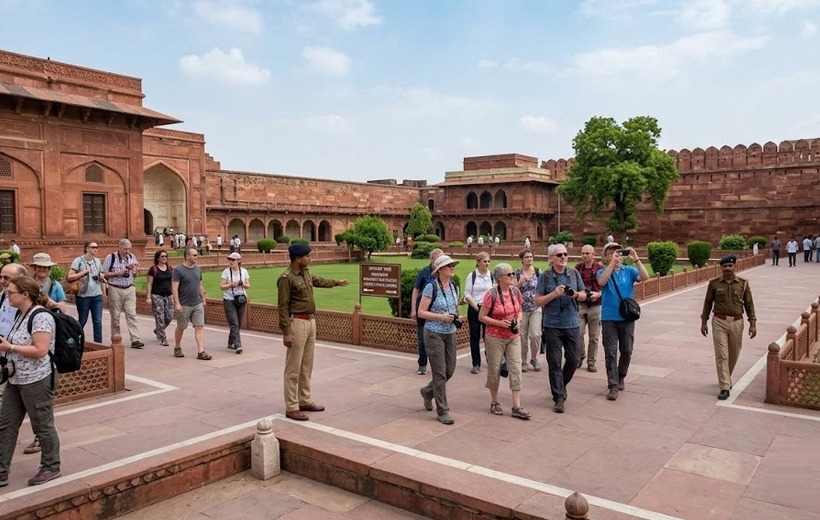
Is India Safe to Visit in 2026?
Yes, India can be a safe and rewarding destination in 2026 when you plan your route carefully, use verified transport, choose well-reviewed accommodation and stay alert in crowded places. Most tourist problems involve overcharging, scams, traffic, food or water issues rather than serious crime.
That does not mean every part of India carries the same level of risk. The country is enormous. Government travel advisories place restrictions or stronger warnings on some border and conflict-sensitive regions, while established tourist routes such as Delhi, Agra, Jaipur, Kerala and Goa continue to receive large numbers of domestic and international visitors.
This guide gives you a realistic picture. No fearmongering, no pretending that every concern is imaginary. Just clear advice on the situations travellers actually face and the steps that make the biggest difference.
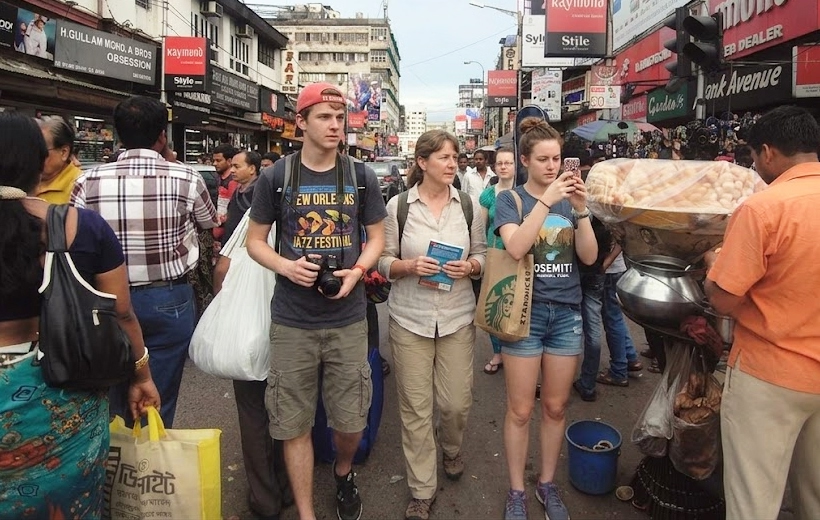
Quick Answer
Is India Safe for Foreign Tourists in 2026?
India is generally manageable for foreign tourists on established travel routes, but it rewards preparation. Use verified transport, avoid isolated areas after dark, protect your food and water health, and check current official advisories for the exact states on your itinerary.
Most common tourist problems
Annoying Rather Than Dangerous
Reduce the Risk
- Use official tickets
- Pre-book airport transfers
- Drink sealed or purified water
- Carry travel insurance
Best first-time approach
Use a Planned Tourist Route
Good Habits
- Arrive in new cities during daylight
- Share travel details with someone
- Use recent hotel reviews
- Keep emergency numbers saved
Reality Check
What Tourist Safety in India Really Looks Like
India can feel intense before it feels dangerous. Busy roads, crowded stations, persistent sellers, unfamiliar traffic rules and constant movement can overwhelm first-time visitors.
Most travellers do not experience a serious security incident. The problems they remember are usually smaller: paying too much for a taxi, being led toward a commission shop, getting sick after a careless meal or underestimating summer heat.
These issues still matter. A stomach illness can remove two days from a short trip. A badly planned late-night arrival can turn a simple transfer into a stressful experience. Good preparation is not fear. It is what lets you relax once the trip begins.
Higher-Frequency Problems
Overcharging, touts, aggressive selling, traffic risk, food illness, heat and lost belongings.
Lower-Frequency but Serious Risks
Sexual harassment, violent crime, regional unrest and major medical emergencies require more careful planning.
Check the Exact Route
What Government Travel Advisories Say About India
Official advisories do not treat every Indian state or tourist city as equal. The United States currently lists India at Level 2, meaning travellers should exercise increased caution. The United Kingdom advises against travel to specific parts of the country, while Australia’s Smartraveller advises a high degree of caution overall and applies stronger warnings to certain regions.
The useful part is not only the headline level. Read the regional section. A warning related to a border district, conflict area or remote state does not automatically describe central Delhi, Agra’s Taj Mahal zone or Jaipur’s old city.
Advisories Can Change Quickly
Check your own government’s official India travel page shortly before departure and again before visiting sensitive border or mountain areas.
| Source | General Position | What Travellers Should Do |
|---|---|---|
| United States | Exercise increased caution | Read regional warnings and enrol in embassy alerts when relevant |
| United Kingdom | Restrictions apply to specified regions | Check the map and regional safety page before planning |
| Australia | Exercise a high degree of caution overall | Avoid areas listed under stronger warning levels |
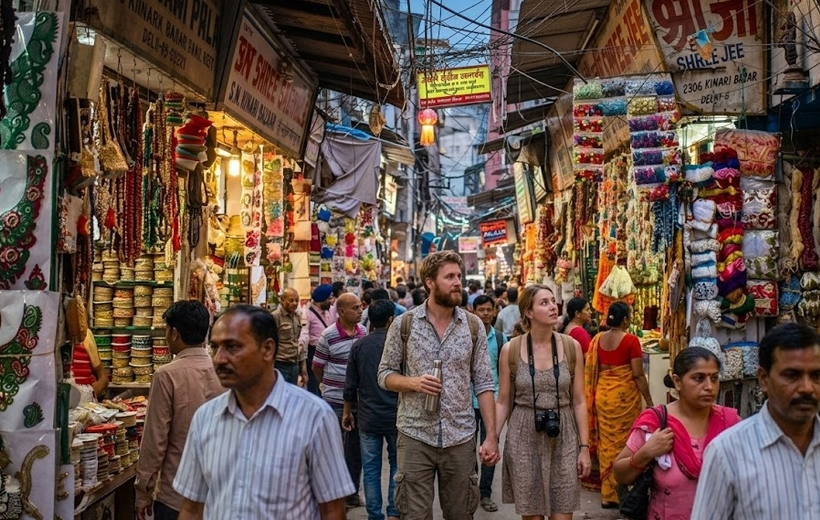
Destination by Destination
Safety in India’s Most Popular Tourist Cities
Delhi
Delhi can feel demanding on the first day. Railway stations, Old Delhi and busy market zones attract touts and unregistered transport operators.
Use app-based cabs, the Metro, hotel transport or a verified driver. Avoid walking through unfamiliar quiet lanes late at night. During the day, the main monuments and tourist districts receive steady visitor traffic.
Agra
Agra’s central tourist economy revolves around the Taj Mahal. The most common problems involve unofficial guides, commission shops and people claiming that a gate or ticket office is closed.
Buy through the official ticket system and use an authorised guide when you want detailed explanations.
Jaipur
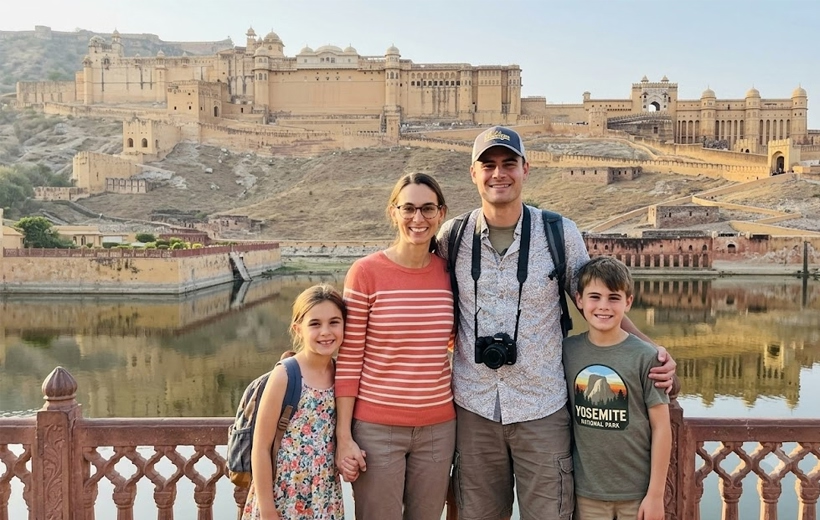
Amber Fort, City Palace, Hawa Mahal and the main bazaars are busy and well established for tourism. Use a car or app-based cab for evening journeys, particularly when your hotel is away from the old city.
Varanasi
The ghats and old-city lanes can be disorienting. Use a local guide for your first walk, book boats through a recognised operator and avoid entering the river for health reasons.
Goa
Goa is relaxed, but beach and nightlife precautions still matter. Watch drinks, avoid isolated beaches late at night and follow lifeguard warnings about currents.
Kerala
Kerala often feels calmer to first-time visitors. Road journeys can still be long, and water, weather and activity safety should be checked for backwater, trekking and wildlife excursions.
Ladakh and Mountain Regions
Altitude, road closures and weather can create greater practical risk than crime. Build acclimatisation time into the itinerary and do not treat high-altitude travel as a normal city break.
Solo Female Travel
Is India Safe for Solo Female Travellers?
Women travel alone in India every day, but the experience requires more deliberate planning than many destinations.
The biggest improvement comes from removing uncertain late-night situations. Arrive in a new city during daylight when possible, arrange airport or station pickup in advance and avoid searching for accommodation after arrival.
- Choose hotels with recent reviews from solo women
- Use app-based cabs or a verified private driver
- Share ride details and live location
- Avoid isolated streets after dark
- Keep hotel staff informed about late returns
- Carry a scarf for religious sites and conservative areas
- Trust discomfort early and leave a situation immediately
Do Not Worry About Appearing Rude
A firm “no”, walking away or ending a conversation is acceptable when someone ignores your boundaries.
Read our detailed women-friendly Golden Triangle guide for advice specific to Delhi, Agra and Jaipur.
The Most Important Daily Decision
Transport Safety: Private Cars, Trains, Cabs and Rickshaws
Transport affects how safe and comfortable a trip feels more than almost any other daily choice.
| Transport | Best Use | Main Safety Advice |
|---|---|---|
| Private car with driver | Delhi, Agra and Jaipur circuit | Book through a known operator and confirm driver details |
| Reserved AC train | Intercity travel | Keep documents and valuables close |
| App-based cab | City transfers | Match registration and driver before entering |
| Auto-rickshaw | Short daytime journeys | Agree on fare or use an app-supported booking |
| Metro | Delhi city travel | Protect valuables during crowded periods |
Private Driver
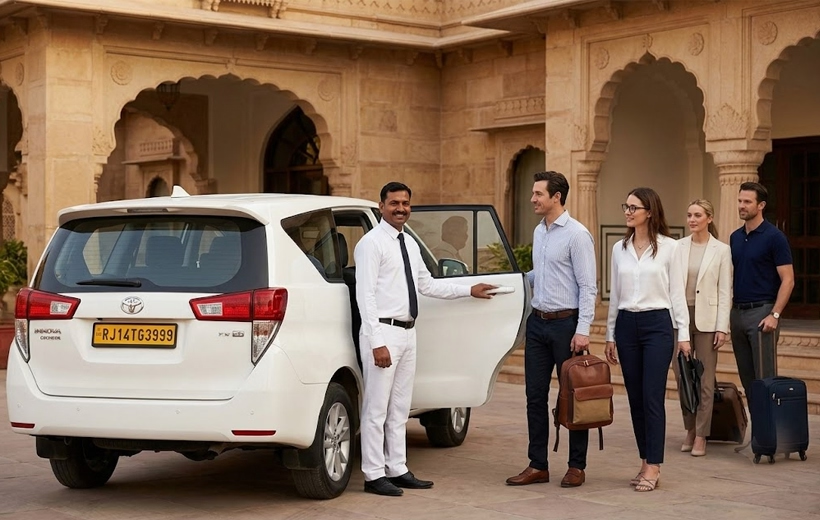
A verified private driver offers door-to-door travel, secure luggage storage and one consistent contact across the route. This is particularly helpful for families, senior travellers and first-time visitors.
Trains
Reserved AC classes can be practical and comfortable. Use official booking channels, arrive with enough time and do not leave phones, wallets or passports unattended.
App-Based Cabs
Check the vehicle number, driver’s name and live route before moving. Sit in the rear seat and share trip details when travelling alone.
Compare options in our guide to travelling between Delhi, Agra and Jaipur by train, car or flight.
Protect Your Health
Food and Water Safety in India
A stomach problem is one of the most common ways a good itinerary goes wrong. Be selective without becoming afraid of Indian food.
- Drink sealed bottled water or properly purified water
- Avoid tap water and ice from unknown sources
- Choose food cooked fresh and served hot
- Prefer busy stalls with high turnover
- Avoid raw salad and uncovered cut fruit
- Wash or sanitise hands before eating
- Carry oral rehydration salts
- Discuss vaccinations and personal health with a travel clinic
Is Street Food Safe?
It can be. Watch the stall before ordering. Food should be cooked in front of you, served hot and handled with clean utensils. A busy stall serving local customers is usually a better sign than a quiet display of food sitting in the open.
Know the Pattern
Common Tourist Scams in India
Most scams depend on surprise and confusion. Once you recognise the pattern, they become much easier to avoid.
“The Monument Is Closed”
A stranger redirects you to a shop or different attraction. Verify the situation at the official gate.
Inflated Transport Fare
Use app pricing, a prepaid counter or agree on the full fare before departure.
Unofficial Guide
Use an authorised guide or arrange one through your hotel or operator.
Commission Shopping Stop
You are never required to buy from a shop recommended by a driver or guide.
Free Gift or Offering
An unsolicited item is handed to you, followed by a demand for money. Politely refuse it.
Fake Charity Request
Support verified organisations rather than making pressured street donations.
Where You Stay Matters
Hotel, Hostel and Homestay Safety
- Read the newest reviews, not only the overall score
- Check the neighbourhood on a map before booking
- Confirm 24-hour reception for late arrival
- Use the room safe for spare cash and documents
- Do not say your room number loudly in public areas
- Make sure doors and windows lock properly
- Ask reception to verify any unexpected visitor or delivery
- Use accommodation-arranged pickup after a late flight
For hostels, choose a property with secure lockers, controlled entry and recent reviews describing the actual location.
Stay Connected
SIM Cards, Public Wi-Fi and Digital Safety
A working phone is one of the most useful safety tools you can carry. It gives you live navigation, ride tracking, hotel contact, digital documents and emergency access.
- Arrange an eSIM or buy a SIM from an authorised provider
- Download offline maps before long road journeys
- Carry a charged power bank
- Avoid banking on unsecured public Wi-Fi
- Use strong device locks and two-factor authentication
- Keep passport and insurance copies in secure cloud storage
- Do not share one-time passwords with anyone
Cash and Valuables
How to Protect Money, Cards and Documents
- Carry only the cash needed for the day
- Keep backup cards separately
- Use ATMs attached to banks
- Cover the keypad when entering your PIN
- Check the amount before approving a card transaction
- Keep passport copies separate from the original
- Store emergency cash in a second location
- Use a zipped cross-body bag in crowded places
Travellers often focus on theft and forget simple loss. Build a quick routine before leaving every hotel, taxi or restaurant: phone, wallet, passport, bag.
Environmental Risks
Heat, Monsoon Rain, Air Pollution and Altitude
Summer Heat
North India can become extremely hot from April to June. Start sightseeing early, carry water, wear a hat and avoid long outdoor walks at midday.
Monsoon Rain
Heavy rain can cause local flooding and transport delays. Keep extra transfer time and check regional forecasts.
Air Quality
Delhi and parts of North India can experience poor air quality, especially in cooler months. Travellers with asthma or respiratory conditions should check local readings and carry required medication.
Altitude
Ladakh and other high-altitude areas require acclimatisation. Do not plan a demanding drive or trek immediately after arrival.
Comfort Creates Safety
India Safety for Families and Senior Travellers
Families and older travellers usually have smoother trips when the itinerary includes shorter sightseeing days, private transport and hotels close to key attractions.
- Schedule regular rest and meal breaks
- Avoid changing hotels every night
- Request accessible rooms in advance
- Ask about wheelchair or golf-cart support at large sites
- Carry prescription medicine in original packaging
- Keep children close in stations and bazaars
- Use child seats when available and requested in advance
LGBTQ+ Travel
Is India Safe for LGBTQ+ Travellers?
Consensual same-sex relations were decriminalised by India’s Supreme Court in 2018. Social attitudes still vary widely by city, age group and region.
Large cities and destinations such as Delhi, Mumbai, Bengaluru and Goa have more visible LGBTQ+ communities and friendly venues. Public displays of affection are generally modest among all couples in many parts of India.
Hotels on major international tourist routes are accustomed to travellers from different backgrounds. For more detail, read our guide to safe and LGBTQ-friendly cities in India.
Reduce Unwanted Attention
Cultural Habits That Make Travel Easier
- Cover shoulders and knees at many religious sites
- Remove shoes where required
- Ask before photographing people
- Keep public affection modest
- Do not photograph military or restricted sites
- Use polite but firm refusals with persistent sellers
- Follow separate lines or entry rules where displayed
- Carry a scarf for temples, mosques and gurdwaras
Cultural awareness is not about blaming a traveller when something goes wrong. It is a practical way to reduce friction and show respect in unfamiliar surroundings.
Save These Before You Travel
Emergency Numbers in India
| Service | Number | When to Use It |
|---|---|---|
| National emergency response | 112 | Police, fire, rescue or urgent emergency support |
| Tourist helpline | 1363 | Travel assistance and tourist support |
| Police | 100 | Police assistance where the legacy number remains in use |
| Fire | 101 | Fire emergency |
| Ambulance | 102 | Medical transport and ambulance support |
| Women in distress | 1091 | Women’s emergency support |
Prepare Before an Emergency
Save your hotel address, insurer, tour operator, embassy or consulate and one trusted contact in your phone and on paper.
Before Departure
India Travel Safety Checklist
- Check your government’s current India travel advisory
- Buy medical and evacuation insurance
- Book well-reviewed accommodation
- Arrange the first airport transfer
- Save 112 and 1363
- Download offline maps
- Arrange an eSIM or local SIM
- Keep digital document copies
- Carry prescription medicine and rehydration salts
- Share your itinerary with a trusted person
- Use official monument and train booking channels
- Avoid tight late-night transfers
- Keep spare cash and a second card separately
- Research weather and air quality for your dates
- Read recent regional advice before mountain or border travel
Related Safety and Planning Guides
Plan a Safer India Journey
Want a Clear, Comfortable Route?
Plan a Private India Trip With Verified Transport
Tell us your dates, destinations, group size and main concerns. We can create a practical itinerary with private transport, suitable hotels and realistic sightseeing times.
- Verified driver options
- Airport and railway transfers
- Local guide arrangements
- Flexible family and senior itineraries
Common Questions
Frequently Asked Questions About India Travel Safety
Open a question below for a direct answer.
Is India safe to visit in 2026 for foreign tourists?
India’s main tourist routes are manageable for foreign visitors when they use verified transport, stay in well-reviewed accommodation and follow current regional travel advice.
Is India safe for solo female travellers?
Solo female travel is possible but requires careful hotel selection, reliable transport, daylight arrivals and extra caution in isolated places after dark.
What are the biggest tourist safety concerns?
Common concerns include scams, overcharging, traffic, food or water illness, heat, harassment and loss of valuables.
Is the Golden Triangle safe?
Delhi, Agra and Jaipur form one of India’s most established tourist routes. Use official tickets, verified transport and normal city precautions.
Is street food safe in India?
Choose busy stalls serving freshly cooked hot food. Avoid raw salad, uncovered cut fruit, tap water and ice from unknown sources.
Is train travel safe?
Reserved AC train travel is widely used. Keep valuables close, use official tickets and arrive at the correct station with enough time.
Is a private driver safer than public transport?
A verified private driver can reduce fare disputes, uncertain routes and late-night transport problems, especially on a multi-city trip.
Can tourists use Uber or Ola in India?
App-based cabs are available in many cities. Confirm the registration and driver, share your trip and follow the route on your phone.
Can I drink tap water in India?
Foreign visitors should normally use sealed bottled water or reliable purified water unless a trusted property confirms its drinking-water system.
Do I need travel insurance?
Comprehensive medical and evacuation insurance is strongly recommended, even when it is not an entry requirement.
Are LGBTQ+ travellers safe in India?
Legal protections and social attitudes have improved, particularly in major cities, but public attitudes vary and discreet behaviour may be more comfortable in conservative areas.
What number should I call in an emergency?
Call 112 for India’s national emergency response system. The tourist helpline is 1363.
Is North or South India safer?
Both regions contain safe tourist destinations and areas needing extra care. South India may feel calmer, while the northern Golden Triangle has very established tourism infrastructure.
Is Delhi safe at night?
Use verified transport after dark and avoid unfamiliar, isolated streets. Busy commercial districts and organised transfers are generally easier to manage.
What should tourists avoid doing?
Avoid unverified transport, isolated late-night walking, careless food and water choices, unofficial ticket sellers and carrying every valuable in one place.
Final Advice
India Is Easier When You Prepare for the Real Risks
India can be safe, exciting and deeply rewarding in 2026. The key is not pretending that nothing can go wrong. It is understanding what is actually likely to go wrong and planning around it.
Use verified transport. Stay in a good location. Protect your food and water health. Check regional advisories. Keep emergency contacts ready. These steps remove most of the uncertainty that worries first-time visitors.
You do not need to travel in fear. You do need to travel with awareness.