
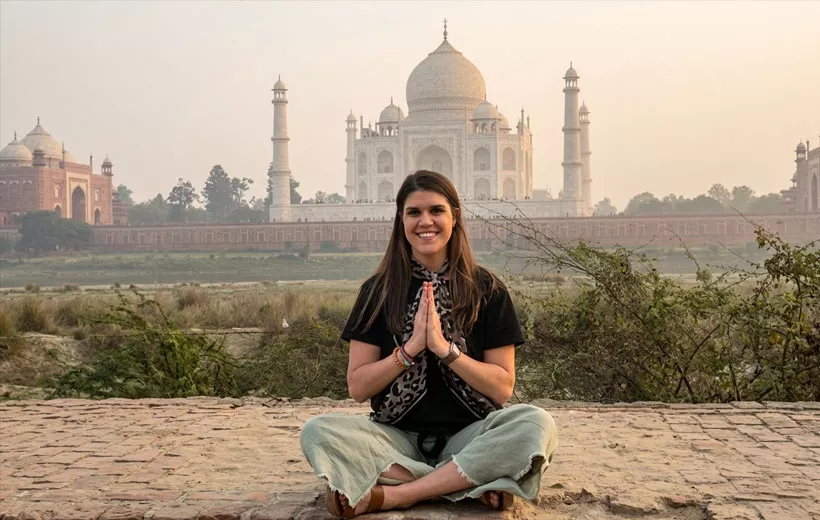
The classic Golden Triangle tour in India covers Delhi, Agra, and Jaipur in a triangle-shaped route in North India. Travelers usually choose this itinerary for a first introduction to India because it combines Mughal monuments, royal palaces, bazaars, and modern city life within a relatively compact geographical area. The key question most visitors ask before booking a trip is how many days they should plan for this route so that it feels rich and relaxed instead of rushed.
Most first‑time travelers find that 5 to 7 days offers the best balance between sightseeing, travel time, and rest. Shorter 3 to 4 day express trips work when time is very limited, while 8 to 10 day itineraries suit visitors who want a slower pace or extra experiences such as wildlife safaris or heritage extensions beyond the main three cities. The ideal duration depends on travel style, time of year, and the experiences a traveler values most.
This report explains typical Golden Triangle durations, shows sample day‑by‑day plans for different trip lengths, and highlights practical considerations such as driving distances, weather, and theme‑based itineraries. It is written in a friendly, conversational tone so that it can be adapted directly into a blog article for a tour operator website.
Ideal Duration for the Golden Triangle
Most travelers should plan 6 to 7 days for a comfortable Golden Triangle tour that covers key highlights in all three cities without rushing. This allows two nights in each city plus reasonable travel times between them.
However, other durations also work:
- 3 to 4 days: An express trip that focuses on the Taj Mahal and one or two major sights in each city.
- 5 days: A compact but balanced introduction that still feels manageable for first‑timers.
- 6 to 7 days: The sweet spot for most travelers, with time for sunrise and sunset experiences and local markets.
- 8 to 10+ days: An extended route that adds wildlife, smaller towns, or additional cities like Ranthambore, Pushkar, or Udaipur.
The following sections explain how to choose the right length in more detail.
Factors That Decide How Many Days You Need
Travel Style and Pace
Travelers who like slow mornings, long lunches, and relaxed evenings usually prefer at least 6 to 7 days Golden Triangle Tour. They can spend more time in local neighborhoods, cafés, and bazaars in addition to the main monuments. Travelers who enjoy an efficient, packed schedule and do not mind early starts often manage with 4 to 5 days.
Important pace‑related factors include the following points.
- Desire for free time versus guided time.
- Interest in photography during different light conditions at sunrise and sunset.
- Need for afternoon rest, especially in warmer months.
- Openness to long driving days with limited breaks.
Time of Year and Weather
The best time to visit the Golden Triangle usually runs from October to March, when daytime temperatures remain more comfortable and humidity stays moderate. During this period, walking tours, fort visits, and outdoor markets feel easier, so travelers may pack more sightseeing into each day.
From April to June, heat can rise towards 40 to 45 degrees Celsius, which makes mid‑day sightseeing tiring and often forces more breaks. During these months, it makes sense to plan an extra day or slow the pace so that travelers can rest at midday. Monsoon months from July to September bring showers and occasional flooding, which may slow road travel and reduce flexibility in tight itineraries.
International Flights and Arrival Times
Arrival and departure times strongly influence the effective length of a Golden Triangle itinerary. Late‑night arrivals or very early departures can reduce the usable sightseeing time by one half‑day or more.
Some visitors land in Delhi very late at night and feel tired on day one, while others arrive in the morning and start sightseeing the same day. Travelers who lose usable time to jet lag or flight schedules benefit from adding one extra day so that the route still feels relaxed.
Interests and Priorities
Golden Triangle visitors often share common interests such as architecture, culture, food, photography, shopping, or wildlife. A traveler focused mainly on the Taj Mahal and a few major forts may feel satisfied with a shorter itinerary, while a traveler who wants more local interaction, food tours, and offbeat sites benefits from an extra day or two.
Common interest‑based considerations include the following items.
- Architecture and history fans often want more time in Delhi and Jaipur.
- Photographers appreciate multiple visits to the Taj Mahal or sunrise and sunset views at different spots in each city.
- Food‑focused travelers may add markets and street food tours that require slow, flexible schedules.
- Families and seniors often need more rest breaks and prefer shorter driving days.
Budget and Accommodation Style

The length of the Golden Triangle tour also depends on budget. A shorter trip may allow a traveler to upgrade to more luxurious hotels or heritage stays, while a longer trip with more days might require a more moderate nightly rate.
Private car and driver arrangements typically give better control over daily timing, which helps travelers squeeze more experiences into a limited number of days. Group tours with fixed schedules offer less flexibility but can spread costs across more people.
Distances and Travel Times in the Golden Triangle
Understanding the road distances and typical driving times between the three cities helps travelers decide how many days to allocate.
Several sources give slightly different distance figures, but they agree on approximate ranges:
- Delhi to Agra: roughly 200 to 230 kilometres, taking about 3 to 4 hours by road via the Yamuna Expressway.
- Agra to Jaipur: roughly 230 to 250 kilometres, taking about 4 to 5 hours by road in normal conditions.
- Jaipur to Delhi: roughly 270 to 300 kilometres, usually taking about 5 to 6 hours by road.
These distances show that travelers will spend at least two half‑days on the road during a Golden Triangle tour.
Distance and Time Table
| Route | Approximate Distance | Typical Road Time | Notes |
|---|---|---|---|
| Delhi → Agra | 200–230 km | 3–4 hours | Fast Yamuna Expressway route. |
| Agra → Jaipur | 230–250 km | 4–5 hours | Often combined with stops like Abhaneri or Fatehpur Sikri. |
| Jaipur → Delhi | 270–300 km | 5–6 hours | Standard highway route with rest stops. |
These travel times assume good road conditions and normal traffic. Peak holiday periods or unexpected roadworks can add extra time.
How Many Nights in Each City?
Trip length and travel preferences determine how many nights travelers should spend in each Golden Triangle city, but some patterns appear repeatedly in popular itineraries.
Balanced 6‑Night Pattern
For a 7‑day, 6‑night Golden Triangle tour, a balanced pattern might look like the distribution below.
- Delhi: 2 nights.
- Agra: 1 or 2 nights.
- Jaipur: 2 or 3 nights.
This split gives at least one full sightseeing day in each city plus travel time and a little free time.
Compact 4‑Night Pattern
For a faster 5‑day itinerary, a compact pattern might be as follows.
- Delhi: 1 or 2 nights.
- Agra: 1 night.
- Jaipur: 2 nights.
This pattern prioritizes the Taj Mahal and Jaipur’s forts, with a shorter stay in Delhi.
Longer 8‑ to 9‑Night Pattern
For more immersive trips, travelers often extend as follows.
- Delhi: 2 nights.
- Agra: 2 nights.
- Jaipur: 3 nights.
- Optional stop such as Ranthambore, Pushkar, or an extra Rajasthan city: 1 or 2 nights.
Extra nights allow for wildlife safaris, village walks, or palace stays.
Golden Triangle in 3–4 Days: Express Itinerary
Who This Suits
A 3 to 4 day Golden Triangle itinerary suits travelers who have a tight business schedule, a long layover, or a very short holiday window. It requires long days and early starts, but it still delivers the Taj Mahal and key highlights in all three cities.
Travelers should understand that this duration prioritizes headline sights and gives limited time for leisurely exploration.
Sample 3‑Day Express Plan
An ultra‑short 3 days Golden Triangle tour itinerary might look like the outline below, often with a private driver to minimise time loss.
- Day 1: Arrive in Delhi, visit a small selection of major sites such as India Gate, Humayun’s Tomb, or Qutub Minar, then drive to Agra in the afternoon or evening.
- Day 2: Visit the Taj Mahal at sunrise, then Agra Fort and a quick market. Drive to Jaipur after lunch, with an optional stop at Fatehpur Sikri if time allows.
- Day 3: Explore Amber Fort and one or two city sights in Jaipur, then drive back to Delhi for onward departure.
This version requires good energy levels and minimal shopping or café time.
Sample 4‑Day Express Plan
With 4 days, the pace becomes slightly more manageable.
- Day 1: Arrive in Delhi, explore Old Delhi or New Delhi highlights, stay overnight.
- Day 2: Drive to Agra early, visit the Taj Mahal and Agra Fort, stay in Agra.
- Day 3: Drive to Jaipur, stop at Fatehpur Sikri or Abhaneri stepwell if time allows, evening free in Jaipur.
- Day 4: Explore Amber Fort and key Jaipur city sites, then drive back to Delhi for departure.
Travelers who choose this duration benefit greatly from a private car and driver because they can optimise departure times and break stops.
Golden Triangle in 5 Days: Compact but Balanced

Why 5 Days Works Well
Many travel experts consider a 5‑day Golden Triangle tour a very practical choice for first‑time visitors because it gives a balanced mix of history, culture, and markets without becoming overly long. It usually includes at least one night in each city and a full day in Jaipur, which often feels like the highlight of the route.
A 5‑day itinerary allows the following.
- Sunrise or sunset view of the Taj Mahal.
- Time for both Old and New Delhi highlights on a focused schedule.
- A fuller experience of Jaipur’s forts and pink‑city markets.
Sample 5‑Day Itinerary
The outline below assumes arrival and departure through Delhi.
- Day 1: Arrive in Delhi. Visit a curated selection of sites such as Jama Masjid, Chandni Chowk, India Gate, or Qutub Minar depending on arrival time. Overnight in Delhi.
- Day 2: Drive to Agra in the morning. Visit the Taj Mahal and Agra Fort. Optional evening visit to a viewpoint such as Mehtab Bagh for sunset photos of the monument from across the river. Overnight in Agra.
- Day 3: Optional second visit to the Taj Mahal at sunrise for photography enthusiasts. Depart for Jaipur after breakfast. En route, stop at Fatehpur Sikri or the Abhaneri stepwell if time permits. Arrive in Jaipur and enjoy an evening stroll in the bazaars. Overnight in Jaipur.
- Day 4: Full day in Jaipur. Visit Amber Fort, Jal Mahal (view from outside), City Palace, Jantar Mantar, and Hawa Mahal’s façade, adjusting based on interests. Explore local markets or a handicraft workshop. Overnight in Jaipur.
- Day 5: Free time in Jaipur for additional shopping, café visits, or an optional activity such as a cooking class. Drive back to Delhi for departure, or fly out from Jaipur if flights match the onward plan.
This plan still feels full, but it gives at least one full day in Jaipur and a more relaxed evening in Agra or Delhi.
Golden Triangle in 6–7 Days: Ideal for Most Travelers
Advantages of 6–7 Days
A 6 to 7 day Golden Triangle itinerary gives most travelers enough time to explore the main sights, enjoy local food, and add personal experiences such as heritage walks or evening shows. It offers a comfortable rhythm with two nights in each city.
Key advantages include the following points.
- Two separate sightseeing days in Delhi, allowing both Old and New Delhi experiences.
- Greater flexibility for sunrise and sunset visits to the Taj Mahal.
- A more relaxed pace in Jaipur with time for both major monuments and local markets.
- Less pressure on travel days, with opportunities to stop in small towns or scenic locations on the way.
Sample 6‑Day Itinerary
A 6‑day plan might follow this outline.
- Day 1: Arrive in Delhi. Recover from travel and explore a few nearby attractions such as India Gate, Lodhi Garden, or a local market.
- Day 2: Full day in Delhi, covering highlights such as Jama Masjid, Chandni Chowk, Raj Ghat, Humayun’s Tomb, and Qutub Minar based on priorities.
- Day 3: Drive to Agra in the morning. Visit the Taj Mahal in the late afternoon or at sunset, then explore Agra Fort. Overnight in Agra.
- Day 4: Optional sunrise visit to the Taj Mahal. Travel to Jaipur with a stop at Fatehpur Sikri or Abhaneri. Arrive in Jaipur by evening and relax at the hotel or take a light city walk.
- Day 5: Full day in Jaipur. Visit Amber Fort, Jal Mahal (viewpoint), City Palace, Jantar Mantar, and Hawa Mahal’s exteriors. Spend the evening in markets or at a cultural show.
- Day 6: Free time in Jaipur for additional sightseeing, shopping, cafés, or offbeat experiences such as a village visit or workshop. Drive back to Delhi for departure, or extend to another destination.
Sample 7‑Day Itinerary
With 7 days, travelers can add more rest or special experiences.
- Day 1: Arrive in Delhi, easy sightseeing and local dinner.
- Day 2: Full day of Old Delhi and central Delhi landmarks.
- Day 3: New Delhi and South Delhi highlights or museum and garden visits. Evening free.
- Day 4: Drive to Agra, visit the Taj Mahal and Agra Fort, evening at leisure.
- Day 5: Sunrise at the Taj Mahal or a heritage walk. Travel to Jaipur with sightseeing stop en route.
- Day 6: Full Jaipur sightseeing day, including Amber Fort and city monuments.
- Day 7: Leisure time in Jaipur for markets, cafés, or optional experiences, then drive to Delhi or fly onward.
This duration allows more flexibility to adjust for weather, crowds, or personal energy levels.
Golden Triangle in 8–10+ Days: Extended Routes
Why Extend Beyond the Classic Triangle
An 8 to 10 day or longer Golden Triangle itinerary suits travelers who want to combine the classic route with wildlife, smaller towns, or additional cities in Rajasthan or elsewhere in North India. Distances from Delhi, Agra, and Jaipur to several popular add‑on destinations make such extensions practical within this time frame.
Popular extensions include the following.
- Ranthambore National Park for tiger safaris, reachable from Delhi or Jaipur by road in about 8 to 9 hours from Delhi or 4 to 5 hours from Jaipur.
- Pushkar and Ajmer for lakeside ambiance and religious sites, about 3 hours’ drive from Jaipur.
- Udaipur for lakes and palaces, usually reached by a 7 to 8 hour drive from Jaipur or a short flight.
- Varanasi, often added by flight from Delhi or Jaipur for spiritual experiences on the Ganges.
Sample 8‑Day Golden Triangle with Ranthambore
One popular extended route combines the Golden Triangle with Ranthambore National Park.
- Day 1–2: Delhi sightseeing across Old and New Delhi.
- Day 3: Drive to Agra, visit the Taj Mahal and Agra Fort.
- Day 4: Travel to Ranthambore, arrive by afternoon, evening at leisure.
- Day 5: Morning and afternoon jeep safaris in Ranthambore.
- Day 6: Drive to Jaipur, evening free.
- Day 7: Full day in Jaipur.
- Day 8: Free time in Jaipur, then drive to Delhi or fly onward.
Sample 10‑Day Golden Triangle with Pushkar and Udaipur
Another extended option adds Pushkar and Udaipur.
- Day 1–2: Delhi.
- Day 3: Drive to Agra, sightseeing.
- Day 4: Drive to Jaipur, short city tour.
- Day 5: Full day in Jaipur.
- Day 6: Drive to Pushkar, explore town and lake, overnight.
- Day 7: Drive to Udaipur, evening on the lakefront.
- Day 8: Full day in Udaipur.
- Day 9: Free time in Udaipur, evening flight or overnight train.
- Day 10: Travel back to Delhi or onward destination.
These itineraries show how an extra few days can turn the classic triangle into a broader North India route.
Best Time to Visit and How It Affects Duration
October to March: Peak Season and Comfortable Weather
Most travel resources describe October to March as the best season for Golden Triangle travel because temperatures are milder, humidity remains lower, and outdoor sightseeing feels more comfortable. Daytime temperatures often sit between about 22 and 32 degrees Celsius during the core winter months, which supports walking tours and long days outdoors.
During these months, demand for hotels and tours increases, so attractions like the Taj Mahal and Amber Fort feel busier. Travelers may want to add a day to avoid crowd fatigue, especially if they prefer later morning starts instead of pre‑dawn visits.
April to June: Hot Season
From April through June, temperatures in North India often rise significantly, sometimes reaching 40 to 45 degrees Celsius in Delhi, Agra, and Jaipur. In this period, visitors usually plan sightseeing in early mornings and late afternoons and rest indoors at midday. The shorter effective sightseeing window per day may encourage travelers to extend by one extra day to cover the same number of sights more comfortably.
July to September: Monsoon Considerations
Monsoon rains between July and September bring showers that can be heavy but often come in bursts. Travel resources note that even short but intense rains can cause local flooding and slower traffic in some areas. Travelers who choose this season may want slightly more flexible itineraries and extra buffers around long road journeys.
In summary, cooler months let travelers do more per day, while hot and wet months may require more days or fewer planned activities.
Theme‑Based Duration Recommendations
For First‑Time Visitors to India
First‑time visitors often want a clear overview without feeling overwhelmed, so a 5 to 7 day Golden Triangle itinerary usually suits them best. This range offers enough time to see major attractions, recover from jet lag, and adjust to local conditions.
For Families with Children
Families with younger children often prefer a slower pace, shorter daily drives, and hotel pools or spaces to unwind. A 6 to 7 day or longer itinerary works better than a 3 to 4 day express version. Extra days allow more rest and flexible timings around children’s routines.
For Seniors or Travelers with Mobility Considerations
Seniors or travelers with mobility constraints may need more time for elevators, shorter walking distances, and frequent breaks. A 7 to 8 day itinerary with two nights in each city and no extremely long days on the road usually feels more comfortable.
For Photography and Cultural Enthusiasts
Photography and culture lovers often want multiple visits to key monuments at different times of day, plus visits to fairs, markets, and workshops. For them, a 7 to 10 day itinerary allows repeated sunrise and sunset shoots, walking tours in old neighborhoods, and unhurried conversations with local artisans.
For Budget Travelers
Budget travelers may focus on shorter itineraries to manage total cost, especially if they rely on trains or shared transport rather than private vehicles. A compact 4 to 5 day route can still deliver all three cities. With careful scheduling, they can minimise extra nights while still seeing the major sights.
Common Mistakes with Golden Triangle Trip Length
Travelers sometimes misjudge how many days they need for the Golden Triangle and then feel rushed or tired. Common mistakes include the following choices.
- Trying to fit Delhi, Agra, Jaipur, and an additional city such as Varanasi or Udaipur into a 4 to 5 day window.
- Underestimating how much energy full days of sightseeing and driving require, especially in hot weather.
- Ignoring the impact of late‑night or very early flights that effectively shorten the usable sightseeing time.
- Booking group tours with rigid schedules when they actually prefer flexibility and rest time.
Avoiding these mistakes usually leads to a more enjoyable trip.
Private Driver, Trains, or Group Tour: Impact on Duration
Private Car and Driver
Many India‑based tour operators arrange Golden Triangle trips by private car and driver, which offers door‑to‑door convenience and flexible departure times. This option reduces waiting time at stations, helps travelers stop for photos or food when convenient, and allows quicker adjustments if they feel tired.
With a private driver, travelers can often cover the standard Golden Triangle comfortably in 5 to 7 days even if they prefer slower mornings or midday breaks.
Trains and Public Transport
The Golden Triangle also offers train connections between Delhi, Agra, and Jaipur. Timetables vary, but in some cases trains between Delhi and nearby regions take around 2 to 3 hours of journey time, with additional time needed for transfers to and from stations. Train travel can add character and save some road fatigue, but it also requires more planning buffer around fixed departure times.
Travelers who rely entirely on trains and local transport may benefit from adding one extra day to their itinerary so that delays or schedule changes do not cause stress.
Group Tours
Group tours that follow fixed itineraries can work well for travelers who prefer clear schedules and lower per‑person transport costs. However, group tours often move at a set pace and may feel rushed to some travelers, especially if time at each monument feels short.
Those who choose group tours should pay close attention to the daily program and confirm how many hours of sightseeing and driving each day includes.
Suggested Durations by Traveler Profile
The table below summarises suggested Golden Triangle durations for different traveler profiles.
| Traveler Type | Suggested Duration | Notes |
| Short business or layover trip | 3–4 days | Focus on Taj Mahal and one major highlight in each city. |
| First‑time visitor to India | 5–7 days | Balanced introduction with time for rest and adjustment. |
| Family with children | 6–8 days | Shorter driving days and pool or rest time. |
| Seniors or slower‑paced travelers | 7–8 days | Extra buffer for breaks and easier mornings. |
| Photography or culture focused | 7–10 days | Multiple visits to key monuments and markets. |
| Budget backpacker | 4–6 days | Efficient routing with trains or buses. |
These ranges are guidelines rather than strict rules, but they help travellers imagine how different trip lengths feel in practice.
How Long Is Enough for the Taj Mahal?
The Taj Mahal in Agra forms the emotional heart of the Golden Triangle for many visitors. A typical visit to the complex itself lasts 2 to 3 hours, including time for security checks, walking, and photography.
Photography enthusiasts or those who want both sunrise and sunset views often plan two separate visits on different days, which reinforces the case for spending at least one night in Agra rather than attempting a same‑day in‑and‑out trip from Delhi.
A 5 to 7 day Golden Triangle itinerary naturally supports one or two Taj Mahal visits within its framework.
Putting It All Together: How to Choose Your Perfect Duration
To decide how many days to spend on the Golden Triangle, travelers can ask themselves a few key questions.
- How many total days in India are available, including travel days?
- Which experiences feel essential: Taj Mahal only, full Golden Triangle, or extended route with wildlife and extra cities?
- How early in the morning and late in the evening do they feel comfortable sightseeing?
- What time of year will they travel, and how will heat or crowds affect their energy?
- Are they traveling with children, seniors, or others who need extra rest?
For many travelers, once they answer these questions, a natural duration such as 5, 6, or 7 days appears as the best fit.