
Travelers flock to India’s Golden Triangle—Delhi, Agra, and Jaipur—for more than just stunning forts and the iconic Taj Mahal. This 720-kilometer circuit traces the evolution of power across North India over eight centuries, blending Mughal opulence, Rajput resilience, and the foundations of earlier sultanates. Empires rose, clashed, and innovated here, shaping architectural marvels and political legacies that attract millions of visitors each year on the famous Golden Triangle Tour India. Dive into this historical timeline: Delhi governed the northern plains, Agra showcased imperial splendor, and Jaipur engineered survival through diplomacy and strategic planning. These cities didn’t just endure—they redefined governance, trade, and culture through powerful alliances, remarkable engineering, and artistic fusion. Uncover the dynastic shifts, hidden rivalries, and modern preservation efforts that make this iconic travel circuit a living history lesson.
Delhi: North India’s Political Nerve Center

Delhi anchors the Golden Triangle as the subcontinent’s eternal capital. Seven dynasties ruled from here since 736 AD, leveraging its Yamuna River crossroads and fertile plains. Conquerors prized it for taxing Silk Road caravans and Grand Trunk Road merchants hauling Punjab wheat and Bengal textiles. Armies fortified hills like Purana Qila, turning the city into an unassailable hub. Today, UNESCO sites like Qutub Minar and Humayun’s Tomb reveal layered conquests that birthed Indo-Islamic architecture. Visitors sense the pulse of power in crowded bazaars and soaring minarets.
Delhi Sultanate Dawn (1192–1526)
Qutub-ud-din Aibak kickstarted the Delhi Sultanate in 1192, erecting Qutub Minar by 1193. Workers carved this 73-meter victory tower from Hindu temple pillars, fusing them into fluted Islamic columns. Quwwat-ul-Islam Mosque nearby pioneered arched corbels meeting domes—a blueprint for centuries. Turkish Mamluks and Khilji sultans crushed Rajput foes, channeling trade taxes into expansions. Timur’s 1398 sack weakened them, but the sultanate endured until Babur’s 1526 invasion. Key sites: Iron Pillar (375 AD, rust-free) withstands monsoons, symbolizing ancient metallurgy.
Mughal Takeover and Zenith (1526–1857)
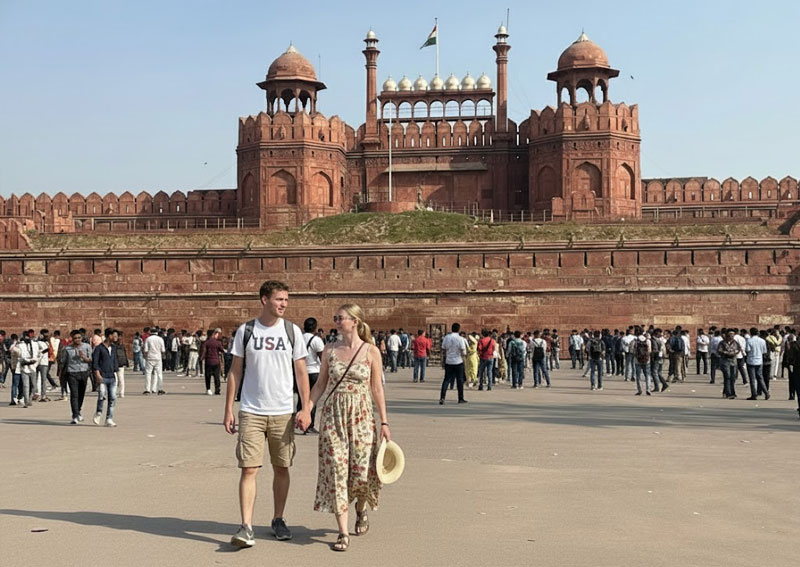
Babur claimed Delhi in 1526 at Panipat, but Humayun lost it briefly before reclaiming victory. His 1570 tomb introduced charbagh gardens—quartered paradise plots echoing Quranic verses—with Persian domes atop local chhatris. Shah Jahan amplified grandeur: Red Fort (1639) boasts Diwan-i-Am halls and zenana palaces; Lahori Gate witnessed 1947 Independence pledges. Jahangir refined aesthetics; Aurangzeb expanded south but alienated allies. British exiled the last Mughal in 1857. Walk Chandni Chowk markets where Mughals haggled spices—history pulses in every lane.
Agra: Mughal Empire’s Architectural Forge
Agra emerged as the Mughal heartland in 1556 when Akbar shifted capitals from Delhi. Emperors wintered here, showcasing wealth through red sandstone and marble masterpieces. Yamuna River trade funneled Doab farmlands revenues, funding 20,000-worker projects. European envoys gawked at opulence, spreading tales that lured adventurers. Abandoned capitals like Fatehpur Sikri highlight ambition’s limits, yet Agra’s sites endure as empire blueprints. Modern visitors chase sunrises over these icons, feeling echoes of lost glory.
Agra Fort: From Bastion to Palace (1565 Onward)
Akbar launched Agra Fort in 1565, blending Gujarati arches in Jahangiri Mahal with stark Islamic iwans. Shah Jahan rebuilt in pearl-white marble, inlaying semi-precious stones. From Musamman Burj, he gazed at the Taj during Aurangzeb’s imprisonment. Sikandar Lodi first elevated Agra in 1506, shifting from Delhi. Ramparts housed emperors; today, ASI lasers preserve carvings. Explore Diwan-i-Khas—private audience halls whisper court intrigues.
Taj Mahal: Eternal Love Monument (1632–1653)
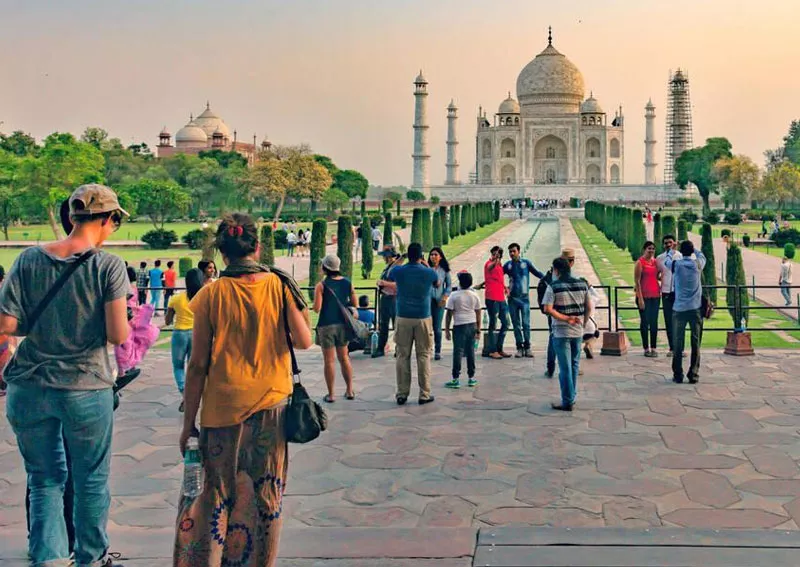
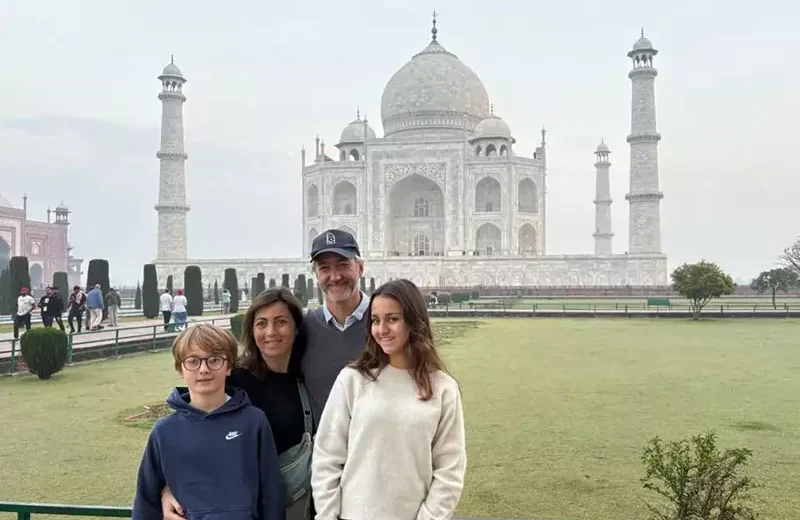
Shah Jahan commissioned the Taj in 1632 for Mumtaz Mahal, mobilizing artisans from Italy to Kashmir. Twenty thousand laborers layered 28 gem types into marble over 22 years, costing 32 million rupees—4% of the treasury. Minarets lean 3° outward for quake safety; optical tricks enlarge calligraphy upward. Foundations pierce Yamuna bedrock. Many travellers now experience this wonder on a Taj Mahal Day Tour From Delhi, which pairs a fast morning journey with sunrise or early‑morning entry. UNESCO mud packs combat 2026 pollution, restoring luster, and dawn visits capture symmetry’s magic—romance amid empire’s peak.
Fatehpur Sikri: Akbar’s Utopian Dream (1571–1585)
Akbar founded this “City of Victory” in 1571 near Sufi saint Salim Chishti, who predicted his heir. Buland Darwaza (53m gateway) celebrated Gujarat conquests; Panch Mahal aped Buddhist viharas; dargah marble gleams white. Water piped 40km sustained 15 years until shortages forced abandonment. Red sandstone fuses Hindu, Persian, Jain motifs—Akbar’s religious harmony lab. Hike ridges for panoramic views; ASI digs uncover coins yearly.
Jaipur: Rajput Resilience and Scientific Innovation
Jaipur crowns the triangle with Rajput grit. Kachwaha clan allied Mughals for autonomy, fortifying Amber hills while planning urban grids. Trade perks flowed from military service; observatories tracked stars pre-Europe. Pink walls and wide avenues reflect calculated defiance. Hone in on palaces where queens schemed—women shaped this bastion too. Vibrant bazaars sell block prints echoing royal workshops.
Amber Fort: Lakeside Stronghold (1592)

Man Singh I expanded Amber atop Maota Lake in 1592, installing water hoists for palaces. Sheesh Mahal’s mirrors ignite from one flame; sonic chambers boomed war cries. Rajdev fortified precursors 1290–1310. Meenas built original town; Rajputs claimed it. Elephants once ascended ramps—now jeeps thrill. Sunset light dances on sandstone, evoking sieges won.
Jaipur City: Planned Marvel (1727)
Sawai Jai Singh II engineered Jaipur in 1727 on Vastu Shastra grids—nine blocks, 87m avenues for elephant processions. Hawa Mahal (1799) ventilated harems with 953 jharokhas. Pink hue honored 1876 Prince of Wales visit. City Palace fuses Mughal-European styles, evolving to 20th century. Stroll Jaleb Chowk gates; markets hawk gems Jai Singh traded.
Jantar Mantar: Astronomical Pioneer (1734)
Jai Singh erected 19 mega-instruments in 1734, computing Uranus orbits before Western scopes. Samrat Yantra sundial nails 2-second precision. Concrete behemoths track equinoxes, eclipses. Scholars convened here—Jaipur led science amid wars. Climb for Jaipur skyline views; apps simulate readings today.
Why a “Triangle”? Geography Fuels Power Layers
Grand Trunk Road linked Delhi-Agra; caravans bridged to Jaipur’s deserts, moving opium, indigo, jewels. Delhi taxed inflows; Agra dazzled envoys; Jaipur endured sieges. Akbar courted Rajputs via marriages; Aurangzeb’s orthodoxy sparked revolts. British exploited rivalries post-1857.
Dynastic Timeline Highlights:
- 1193: Qutub Minar rises—Sultanate base.
- 1526: Babur conquers— Mughals dawn.
- 1565: Agra Fort builds.
- 1571: Fatehpur Sikri launches.
- 1632: Taj construction peaks.
- 1727: Jaipur grids form.
- 1857: Mughals fall.
Rivalries forged fusions: Delhi domes inspired Agra marble; Sikri planned Jaipur avenues.
Modern Echoes, Preservation, and UNESCO Legacy
British relocated capital 1911, but Red Fort symbolizes sovereignty. Taj fights yellowing via 2026 ASI mud packs, biofuel bans. Jaipur gentrifies pink facades; Qutub yields sultanate coins. Seven UNESCO sites pack unmatched density: Qutub, Humayun, Red Fort, Agra Fort, Taj, Fatehpur Sikri, Jantar Mantar. Community tourism sustains crafts; digital scans aid restorations. Climate policies balance visitors—eco-heritage thrives.
Chronological UNESCO Itinerary (5 Days):
- Day 1: Delhi Foundations– Qutub Minar to Humayun’s Tomb (Sultanate-Mughal pivot, 3–4 hours).
- Day 2: Imperial Delhi– Red Fort, Jama Masjid; evening drive Agra (4 hours).
- Day 3: Agra Glory– Sunrise Taj, Fort (Shah Jahan era, full day).
- Day 4: Akbar’s Vision– Fatehpur Sikri en route Jaipur; Amber Fort evening light show.
- Day 5: Jai Singh Finale– City Palace, Hawa Mahal, Jantar Mantar; return Delhi (5 hours).
Private drivers cost ₹20,000; ASI Monument Pass ₹1,100 saves queues. Licensed guides unpack eras—book ahead.
The Golden Triangle distills medieval India’s saga: authority innovates, art immortalizes, resilience endures. Book your chronological private tour now—trace dynasties with a trusted Jaipur-based driver. Share your focus (Mughal opulence or Rajput forts?) for a custom 5-day plan blending history, safety, and seamless logistics. Contact us today for women-friendly itineraries that immerse without overwhelm!