
Best Time to Visit Golden Triangle India: Best Months, Weather & Travel Guide
The best time to visit Golden Triangle India is generally from October to March, when Delhi, Agra and Jaipur offer the most comfortable conditions for sightseeing, walking tours, forts, markets and historic monuments. For many first-time visitors, November and February are the best individual months because they provide a strong balance of pleasant daytime weather without the hottest summer temperatures or the coldest winter mornings.
Your perfect month depends on your priorities. October and November suit travellers who want comfortable sightseeing and lively cities. December and January offer cool days but can bring cold mornings, haze or fog around Delhi and Agra. February is one of the strongest all-round choices, while early March remains excellent before North India becomes noticeably hotter.
This guide compares the Golden Triangle month by month and explains the best seasons for Delhi, Agra, the Taj Mahal and Jaipur. It also covers crowds, hotel prices, photography, family travel, couples, senior travellers, summer heat, monsoon conditions, packing and how weather should change your daily itinerary.
Quick Answer
What Is the Best Time to Visit the Golden Triangle in India?
October to March is the best overall time to visit India’s Golden Triangle. If you want the simplest month recommendation, choose November or February. Both usually provide comfortable conditions for Delhi sightseeing, the Taj Mahal in Agra and Jaipur’s outdoor forts without the extremes of summer heat or peak winter cold.
Best Overall
November & February
- Comfortable daytime sightseeing
- Good for Delhi, Agra and Jaipur
- Excellent for first-time visitors
- Better for long walking days
- Good balance for families and couples
Also Excellent
October, December, January & March
- October becomes more comfortable later in the month
- December and January offer cool sightseeing weather
- Winter fog can affect Delhi and Agra
- Early March is excellent before stronger heat arrives
- Holiday periods may bring higher demand
Best Months
Which Months Are Best for the Golden Triangle India?
November and February are the best all-round months for many travellers, while October to March is the strongest broad travel season. Delhi, Agra and Jaipur share a similar North Indian seasonal pattern, but each city feels different because sightseeing styles vary. Delhi involves extensive walking, Agra often includes an early Taj Mahal visit, and Jaipur’s forts have exposed courtyards and hillside areas.
| Month | Overall Rating | Weather | Best For |
|---|---|---|---|
| January | Very Good | Cold mornings, pleasant afternoons, possible fog | Travellers who dislike heat |
| February | Excellent | Mild, pleasant and increasingly sunny | First-time visitors, families, couples |
| March | Excellent | Warm and increasingly hotter later | Comfortable sightseeing |
| April | Fair | Hot afternoons | Early-morning sightseeing |
| May | Challenging | Very hot and dry | Heat-tolerant travellers |
| June | Challenging | Very hot with increasing humidity | Fixed-date travellers |
| July | Fair | Hot, humid and rainy | Flexible lower-crowd trips |
| August | Fair | Monsoon showers and greener landscapes | Value and repeat visitors |
| September | Good | Warm and humid but improving | Shoulder-season travel |
| October | Excellent | Warm initially, increasingly comfortable | First-time visitors |
| November | Excellent | Pleasant days and cooler mornings | Almost everyone |
| December | Very Good | Cool days and colder mornings | Families and winter travellers |
If you want only one answer, choose November or February. October and March are also excellent transition months. December and January work very well for travellers who prefer cool temperatures but require more preparation for early-morning cold and possible fog.
Month by Month
What Is Golden Triangle India Weather Like Month by Month?
January: Cool Weather With Possible Fog
January is a good month if you prefer cool sightseeing weather. Delhi and Agra mornings can feel cold, especially before sunrise, while afternoons are usually more comfortable for walking. Fog can occasionally reduce visibility and may affect an early Taj Mahal view or transport schedules.
Jaipur is generally pleasant during daylight hours but becomes cooler after sunset. Pack layers so you can adjust between early morning, afternoon and evening temperatures.
February: One of the Best Months to Visit
February is one of the best months for the Golden Triangle. Delhi becomes more comfortable, Agra offers pleasant conditions for exploring the Taj Mahal and Agra Fort, and Jaipur’s forts are easier to walk than during the hot season.
February is particularly suitable for first-time visitors, couples, families and senior travellers because the weather usually allows a more flexible sightseeing schedule.
March: Excellent Early, Warmer Later
March remains an excellent month, especially during the first half. Conditions gradually become warmer as summer approaches, so late-March visitors may benefit from earlier sightseeing starts.
If Holi falls during your dates, expect a very different travel atmosphere. Festival celebrations can add memorable cultural energy but may also affect road movement, business hours and sightseeing schedules.
April: Hot but Manageable With Early Starts
April marks the beginning of noticeably hotter conditions. Outdoor monuments remain enjoyable when you visit early, but long afternoon walks can become tiring.
Start major attractions in the morning, use air-conditioned transport and consider indoor lunch or hotel rest during the hottest part of the day.
May: One of the Hottest Months
May is one of the most difficult months for a conventional Golden Triangle sightseeing schedule. Jaipur’s forts, Delhi’s outdoor monuments and Agra’s large heritage complexes can become physically demanding during the afternoon.
If May is your only option, use early mornings, rest at midday and resume sightseeing later in the afternoon or evening.
June: Extreme Heat Before Monsoon
June can remain extremely hot while humidity begins increasing before the monsoon. Long transfers combined with outdoor sightseeing can become tiring.
Keep attraction lists shorter, carry safe drinking water and select hotels and vehicles with reliable air-conditioning.
July: Monsoon Changes the Experience
July brings higher humidity and recurring rain. Showers may be short or heavy, and road conditions can change quickly after strong rainfall.
The benefit is greener landscapes and generally less winter-season tourism pressure. Keep sightseeing plans flexible rather than depending on perfect weather at one exact time.
August: Greener Jaipur and Unpredictable Rain
August works well for flexible travellers who enjoy dramatic skies and greener landscapes. Jaipur’s surrounding hills can look noticeably different from the dry winter season.
Delhi and Agra remain humid, while outdoor photography and rooftop dining may need to move around rain showers.
September: A Useful Shoulder Month
September remains warm and humid, particularly early in the month, but conditions generally improve toward October.
Later September can appeal to travellers who want to avoid the busiest winter tourism period while still having a workable classic itinerary.
October: Excellent Start to the Main Season
October is one of the best months to begin a Golden Triangle trip. Early October can remain warm, but temperatures generally become increasingly comfortable after the monsoon.
Late October is particularly attractive for first-time visitors who want good sightseeing conditions without the coldest winter mornings.
November: One of the Best Months Overall
November is arguably the best single month for many Golden Triangle travellers. Delhi, Agra and Jaipur usually provide pleasant daytime sightseeing conditions, while evenings become cooler without reaching the coldest part of winter.
The combination works especially well for long walking days, forts, city markets, heritage hotels and photography.
December: Excellent Days, Colder Mornings
December is a popular month because daytime sightseeing is usually comfortable. Early mornings can become cold, particularly in Delhi and Agra.
The Christmas and New Year period can also increase tourism demand, so travellers with specific hotel preferences should plan earlier.
Delhi
What Is the Best Time to Visit Delhi?
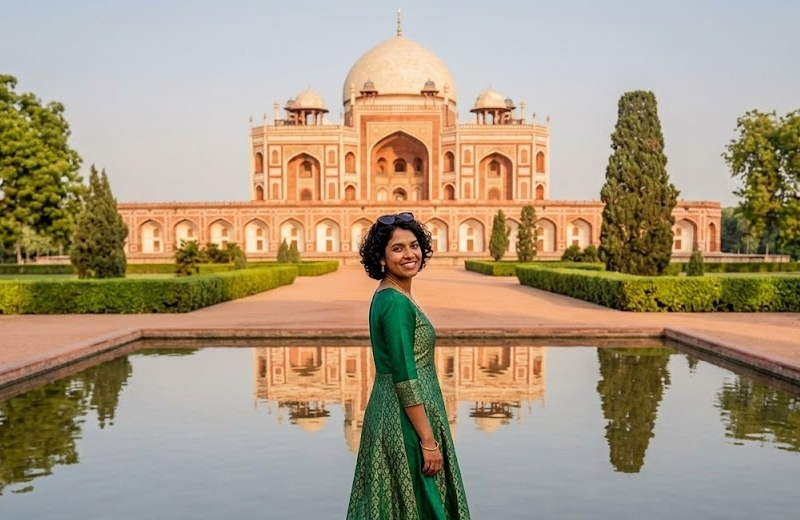
October to March is the most comfortable broad period for exploring Delhi. The city involves much more walking than many first-time visitors expect, particularly around Old Delhi, Qutub Minar, Humayun’s Tomb and large historic complexes.
Delhi in Winter
Winter is excellent for daytime sightseeing but mornings may be cold. Fog can sometimes reduce visibility or affect road, rail and air travel. Air quality can also vary considerably, so sensitive travellers should check current conditions close to departure.
Delhi in Summer
Summer sightseeing should begin early. Use museums, meals or hotel breaks during the hottest hours and return outside later in the afternoon.
Delhi During Monsoon
Humidity can make sightseeing feel more tiring than the temperature alone suggests. Heavy rain may also slow traffic, so keep extra time between important transfers.
Agra & Taj Mahal
What Is the Best Time to Visit Agra and the Taj Mahal?
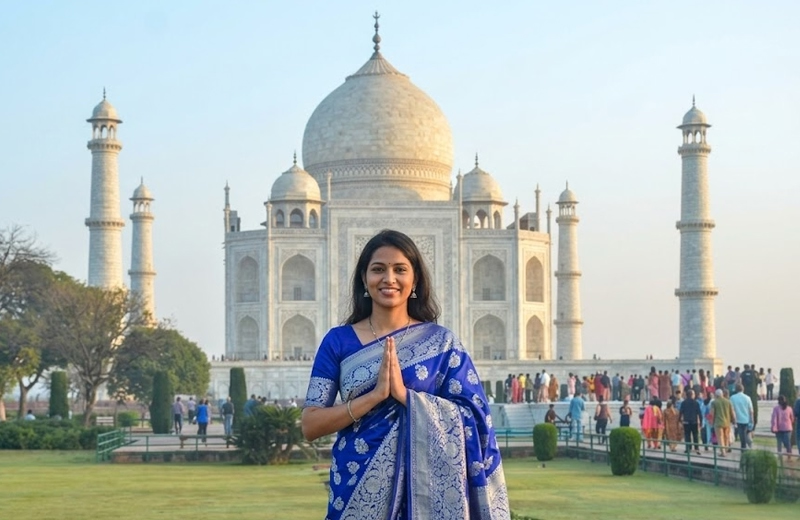
October to March is generally the best season for Agra, with November and February especially strong choices. Cooler weather makes the Taj Mahal and Agra Fort easier to explore, though winter fog can sometimes affect early-morning visibility.
What Is the Best Time of Day for the Taj Mahal?
Early morning is popular because temperatures are often cooler and the light can be softer. However, sunrise does not guarantee an empty monument or perfectly clear visibility.
Winter fog may create hazy conditions, while late afternoon can also provide attractive light. Choose your timing based on season rather than assuming one hour is always superior.
What About Agra Fort?
Agra Fort contains large outdoor courtyards and exposed walking areas. Visit earlier during hot months and carry an additional layer during cold winter mornings.
Jaipur
What Is the Best Time to Visit Jaipur?
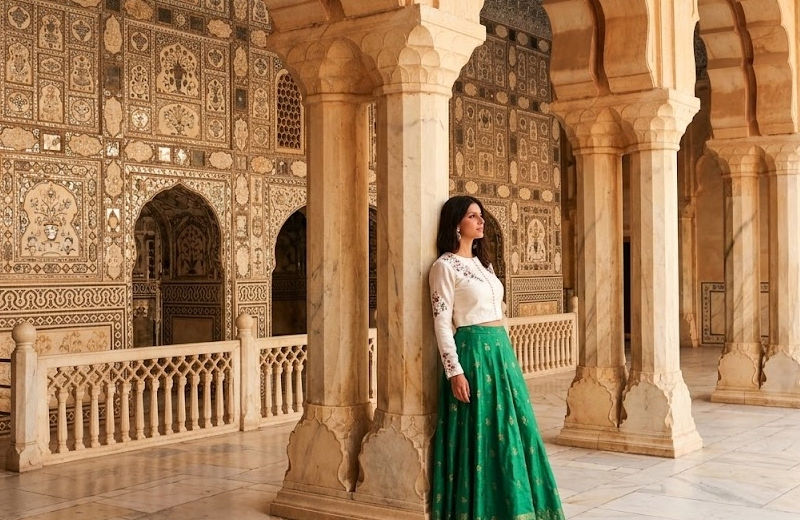
November to March is an excellent period for Jaipur. Amber Palace, Jantar Mantar and the old-city attractions involve outdoor walking, so pleasant weather makes a significant difference.
Jaipur in Winter
Winter days are ideal for sightseeing, although mornings and evenings may feel cool. Tourism demand can be high during popular holiday periods.
Jaipur in Summer
Summer can become intensely hot. Visit Amber Palace early, rest at midday and keep exposed outdoor attractions away from the hottest hours.
Jaipur During Monsoon
Monsoon brings greener hills and a different atmosphere around Jaipur. Rain can interrupt plans, but the landscape is often more colourful than during the dry season.
Peak Travel Season
Is October to March the Best Season for the Golden Triangle?
Yes, for most first-time visitors. October to March provides the longest comfortable sightseeing windows and is particularly suitable for forts, markets, walking tours and major heritage complexes.
November and February offer the best balance for many travellers. December and January are cooler but can bring fog and colder early starts. October and March are warmer transition months.
Winter Advantages
- Comfortable walking conditions
- Longer usable sightseeing days
- Better for families and senior travellers
- Comfortable fort and market visits
- Good conditions for evening activities
Winter Drawbacks
- Higher tourism demand
- Holiday crowds
- Cold early mornings
- Possible Delhi and Agra fog
- Variable North India air quality
Hot Season
Is April to June a Good Time for the Golden Triangle?
April to June is possible, but it requires a very different sightseeing schedule. Outdoor attractions should be visited early, midday should become rest time and evenings should be used as a second sightseeing window.
Who Should Consider Summer?
Summer can suit experienced India travellers, visitors whose dates are fixed and travellers comfortable with strong heat. It is less suitable for people who struggle with high temperatures or want long all-day walking itineraries.
How to Make Summer Work
- Start major outdoor sightseeing early.
- Use air-conditioned transport.
- Rest during the hottest midday hours.
- Carry safe drinking water.
- Wear breathable clothing.
- Use sun protection.
- Reduce the number of attractions.
Rainy Season
Is July to September a Good Time to Visit?
Monsoon can be rewarding for flexible travellers who do not mind humidity and occasional heavy rain. Jaipur becomes greener, tourism pressure can be lower and dramatic cloud formations can create excellent photography conditions.
Why Some Travellers Like Monsoon
- Greener Jaipur landscapes
- Potentially fewer peak-season tourists
- Dramatic photography conditions
- Different atmosphere from winter
- Possible hotel value opportunities
Monsoon Drawbacks
- High humidity
- Rain interruptions
- Slippery outdoor surfaces
- Slower traffic after heavy rainfall
- Less predictable sunset and rooftop plans
Crowds & Cost
When Is the Golden Triangle Cheapest and Least Crowded?
Summer and monsoon generally see less peak winter tourism pressure, but cheaper weather is not automatically better travel value. Extreme heat or heavy rain can reduce how much sightseeing you comfortably complete.
Best Value Strategy
Consider shoulder periods such as late September into October or early March. These dates can provide a better balance between usable weather and peak-season demand.
Hotel location also matters. A cheaper hotel far outside the sightseeing area can cost more in travel time and energy than a slightly more expensive central property.
Photography
What Is the Best Time for Golden Triangle Photography?
November to February is excellent for comfortable photography, while monsoon is stronger for dramatic skies and greener landscapes. The right choice depends on the visual style you want.
Taj Mahal Photography
Early morning can provide soft light, but winter fog may reduce clarity. If conditions are misty, architectural details, reflections and silhouettes can still produce memorable images.
Jaipur Photography
Amber Palace and Hawa Mahal work particularly well in lower-angle morning light. Monsoon adds greener hills, while winter provides more comfortable waiting conditions.
Delhi Photography
Old Delhi works well early in the day when markets are becoming active but the streets have not yet reached maximum midday intensity.
Choose Your Season
What Is the Best Time to Visit by Traveller Type?
First-Time Visitors
Best: October–November or February–March.
These periods offer some of the easiest sightseeing conditions across all three cities.
Couples
Best: November–February.
Cool evenings work particularly well for heritage hotels, rooftop dinners and relaxed Jaipur evenings.
Families With Children
Best: October–March.
Avoiding extreme heat makes walking, meals and long sightseeing days easier.
Older Travellers
Best: November, February or early March.
These periods offer pleasant temperatures without the most intense summer heat.
Budget Travellers
Best: shoulder season or selected monsoon dates.
Compare weather and hotel rates rather than choosing the cheapest room automatically.
Photographers
Best: November–February or monsoon.
Winter offers comfortable light and monsoon creates dramatic skies and greener scenery.
What to Pack
What Should You Pack for the Golden Triangle by Season?
October to March
- Light layers
- Warm jacket or fleece for colder winter mornings
- Comfortable walking shoes
- Sunglasses and sunscreen
- Light scarf
- Reusable water bottle where safe refilling is available
April to June
- Light breathable clothing
- Hat or cap
- Sunscreen
- Sunglasses
- Comfortable ventilated footwear
- Light scarf for sun and religious sites
July to September
- Quick-drying clothing
- Compact umbrella or rain shell
- Footwear with good grip
- Water-resistant pouch for electronics
- Spare socks
- Light layer for air-conditioned vehicles
Seasonal Itinerary
How Should Weather Change Your Daily Golden Triangle Itinerary?
Winter Schedule
Winter allows the most conventional sightseeing schedule. You can use the morning, midday and afternoon effectively, although sunrise visits may require extra layers.
Summer Schedule
Begin outdoor sightseeing as early as possible, rest through the hottest part of the day and resume later in the afternoon.
Monsoon Schedule
Keep at least one flexible indoor or covered attraction available and avoid placing several weather-sensitive activities back to back.
The Best Itinerary Respects the Weather
Changing your sightseeing order because of heat or rain is better than forcing a fixed schedule. Comfort improves both the amount you see and how much you enjoy it.
Avoid These
What Are the Biggest Weather-Planning Mistakes?
- Assuming December guarantees perfect weather. Fog and cold mornings remain possible.
- Using a winter itinerary during May or June. Summer requires early starts and long midday breaks.
- Ignoring festival dates. Festivals can change traffic and local routines.
- Choosing travel dates only because hotels are cheaper.
- Expecting an empty Taj Mahal at sunrise.
- Packing only one type of clothing for winter.
- Leaving no buffer for rain or fog.
- Using Delhi weather as a forecast for the entire route.
Final Recommendation
What Is the Best Month to Visit Golden Triangle India?
For most travellers, November and February are the best individual months, while October to March is the best overall season. These months provide the strongest balance between comfortable sightseeing weather and practical travel conditions across Delhi, Agra and Jaipur.
Choose November if you want pleasant autumn weather and comfortable days. Choose February if you prefer mild late-winter conditions with less risk of the coldest January mornings.
October and early March are excellent alternatives. December and January remain strong for travellers who prefer cooler weather but should be planned around colder mornings and possible fog.
Choose by Priority
What Is the Best Time Based on Your Travel Priority?
The best month changes depending on whether you care most about comfortable weather, lower heat, fewer tourists, photography, hotel value or a romantic trip.
Best Time for Comfortable Sightseeing
November and February. These months provide one of the best combinations of comfortable daytime temperatures and flexible sightseeing hours.
Best Time for Travellers Who Dislike Heat
December and January. Days are cooler, although early mornings can become cold and fog can occasionally affect Delhi and Agra.
Best Time for Better Value
Shoulder-season and selected monsoon dates may provide better accommodation value, but always compare weather comfort against the price difference.
Best Time for Fewer Peak-Season Crowds
Late monsoon and shoulder-season travel can be less pressured than the busiest winter weeks, although major attractions remain popular throughout the year.
Best Time for Couples
November to February. Cooler evenings are particularly comfortable for heritage hotels, rooftop restaurants and relaxed city walks.
Three-City Comparison
Is the Best Month Different for Delhi, Agra and Jaipur?
Slightly. All three cities share the same broad North Indian seasonal pattern, but their sightseeing styles create different weather priorities.
Delhi Needs Comfortable Walking Weather
Old Delhi, Qutub Minar, Humayun’s Tomb and other large attractions involve substantial walking, making October to March particularly useful.
Agra Depends More on Early-Morning Conditions
Travellers often want an early Taj Mahal visit, so winter fog matters more in Agra. February, March, October and November provide a useful balance.
Jaipur Is Particularly Sensitive to Heat
Amber Palace and Jaipur’s open courtyards can become exhausting during peak heat, making November through early March especially attractive.
| City | Strong Months | Main Concern | Best Strategy |
|---|---|---|---|
| Delhi | October–March | Summer heat, winter fog and air quality | Combine indoor and outdoor stops |
| Agra | October–March | Winter fog and summer heat | Keep Taj Mahal timing flexible |
| Jaipur | November–March | Heat at exposed forts | Visit Amber Palace early |
Trade-Offs
Should You Choose Better Weather or Fewer Crowds?
For most first-time visitors, comfortable weather is more valuable than avoiding every crowd. The Golden Triangle already includes long walking days, traffic, stairs and large monuments, so extreme heat can reduce enjoyment more than moderate visitor numbers.
If you strongly dislike crowds but tolerate humidity, September or selected monsoon periods may suit you. If heat affects you badly, do not choose May simply because accommodation may be cheaper.
How to Reduce Crowds Without Changing Your Month
- Start important sights early
- Choose weekdays when practical
- Avoid major holiday weekends
- Book official tickets ahead where available
- Use an efficient sightseeing order
- Visit secondary attractions after peak morning hours
Seasonal Planning
Sample Golden Triangle Daily Timings by Season
Sample Winter Day
7:30–9:00
Breakfast and Transfer
Start slightly later unless you have a sunrise visit planned.
9:00–13:00
Main Sightseeing
Use comfortable daylight for monuments and walking-heavy areas.
13:00–14:00
Lunch
A regular lunch break is usually enough.
14:00–17:30
Second Sightseeing Block
Continue with markets, museums and smaller monuments.
Sample Summer Day
6:00–10:30
Major Outdoor Sightseeing
Use the coolest part of the day for forts and large monuments.
11:00–16:00
Lunch and Rest
Use the hottest hours for indoor activities or hotel rest.
16:30–19:00
Evening Sightseeing
Resume sightseeing as temperatures begin to fall.
Sample Monsoon Day
Morning
Outdoor Priority
Use a dry weather window for your most important outdoor attraction.
Midday
Flexible Indoor Stop
Move to lunch, a museum or covered attraction if rain begins.
Afternoon
Adjust Around Weather
Keep one activity flexible enough to move without disrupting the day.
Booking Advice
How Far Ahead Should You Book a Golden Triangle Trip?
Demand is generally strongest during the cooler months and major holiday periods. If you want specific heritage hotels, premium room categories or preferred guides, earlier planning gives you more choice.
What Should You Book First?
- International flights when dates are fixed.
- Your Delhi arrival hotel.
- Agra accommodation if Taj Mahal timing matters.
- Jaipur heritage accommodation during popular periods.
- Inter-city trains when your itinerary depends on a specific departure.
- Private transport or tour arrangements.
Before Departure
What Should You Check Before Your Golden Triangle Trip?
Seasonal averages help you choose a month, but short-range weather matters more once your trip approaches. Check Delhi, Agra and Jaipur separately before departure.
During winter, look at temperatures, visibility and fog. During summer, check heat conditions. During monsoon, review rain forecasts and leave additional road-transfer flexibility.
Plan Your Tour
Want to Choose the Best Golden Triangle Dates for Your Trip?
Share your travel month, number of travellers, preferred hotel category and travel pace. We can plan Delhi, Agra and Jaipur around the season so your sightseeing schedule works with the weather rather than against it.
- Flexible private Golden Triangle itineraries
- Season-aware sightseeing schedules
- Budget, comfortable, heritage and luxury hotels
- Private air-conditioned transport
- Local guides in Delhi, Agra and Jaipur
Common Questions
Frequently Asked Questions About the Best Time to Visit Golden Triangle India
Direct answers to the most common questions about weather, months, crowds and seasonal planning for Delhi, Agra and Jaipur.
What is the best month to visit the Golden Triangle India?
November and February are two of the best all-round months for most travellers because Delhi, Agra and Jaipur usually offer comfortable daytime sightseeing conditions without peak summer heat or the coldest winter mornings.
What is the best season for Delhi, Agra and Jaipur?
October to March is generally the best broad season for the Golden Triangle because temperatures are more comfortable for monuments, markets, forts and walking tours.
Is October a good month for the Golden Triangle?
Yes. October is an excellent month, particularly later in the month when post-monsoon weather generally becomes more comfortable. Early October can still feel warm.
Is November a good time to visit Delhi, Agra and Jaipur?
Yes. November is one of the strongest all-round months because daytime conditions are generally pleasant and mornings are cooler without the coldest part of winter.
Is December a good time for the Golden Triangle?
Yes. December usually provides comfortable daytime sightseeing, but mornings can be colder and the Christmas and New Year period may bring higher tourism demand.
Is January too cold for the Golden Triangle?
No. January remains a good sightseeing month, although early mornings in Delhi and Agra can feel cold and fog may occasionally affect visibility.
Is February a good month for the Taj Mahal?
Yes. February is one of the strongest months for Agra because daytime temperatures are generally comfortable and conditions are often easier than during peak summer or the coldest winter period.
Is March too hot for the Golden Triangle?
Early March is usually excellent. Temperatures increase later in the month, so late-March itineraries may benefit from earlier sightseeing starts.
Should I visit the Golden Triangle in May?
May is possible but can be extremely hot. Start sightseeing early, rest during the hottest midday hours and use reliable air-conditioned transport.
Is monsoon a bad time to visit Jaipur?
No. Jaipur can look greener and more atmospheric during monsoon, but rainfall and humidity make outdoor plans less predictable.
When is the Golden Triangle least crowded?
Summer and monsoon generally have less peak-season tourism pressure than the cooler winter months, although holidays, festivals and major events can change crowd levels.
What is the best time for Golden Triangle photography?
November to February is strong for comfortable photography and softer seasonal light, while monsoon can provide dramatic skies and greener Jaipur landscapes.
What is the best season for families?
October to March is generally the easiest season for families because children can spend more time outdoors without the intense heat of late spring and early summer.
Final Planning Advice
So, When Should You Visit the Golden Triangle India?
For most first-time visitors, plan your Golden Triangle trip between October and March and start by checking November or February. These months give Delhi, Agra and Jaipur one of the strongest combinations of comfortable weather and practical sightseeing conditions.
If November or February does not fit your dates, October, December, January and early March are still strong choices. The most important thing is matching the season to the way you like to travel rather than chasing one supposedly perfect month.