

Solo Golden Triangle Travel Guide: Delhi, Agra & Jaipur for Independent Travelers
Travelling solo through India’s Golden Triangle gives you something a fixed group tour cannot: complete control over your time. You decide when to start, where to slow down, when to take a break and which experiences deserve more than a quick photo stop. Delhi introduces you to the energy of a huge Indian city, Agra brings you face-to-face with the Taj Mahal, and Jaipur adds forts, bazaars, royal architecture and Rajasthan’s distinctive character.
For a first solo trip, the Delhi–Agra–Jaipur route is one of the most practical ways to experience North India. The three cities have established tourist infrastructure, hotels in every budget, road and rail connections, local guides, app-based transport and private-driver options. You can travel independently without feeling that you have to solve every part of the journey completely alone.
This guide is designed for solo men, solo women, backpackers, first-time visitors and independent travellers who want a realistic trip rather than an exhausting checklist. It explains how many days you need, how to move between cities, where to stay, what to see, how to manage common travel challenges and how to keep enough flexibility to actually enjoy the journey.

Quick Solo Travel Guide
Is the Golden Triangle Good for Solo Travellers?
Yes. Delhi, Agra and Jaipur are well connected and give solo travellers a strong mix of independence, tourist support, famous attractions and multiple transport choices.
Best for first-time solo visitors
6 to 7-Day Golden Triangle Trip
Why it works
- Enough time for Delhi, Agra and Jaipur
- Flexible train or private-car travel
- Time for markets, food and local experiences
- Less pressure to rush every monument
Best route
Delhi → Agra → Jaipur
Best transport choices
- Train for lower-cost independent travel
- Private car for easier door-to-door transfers
- App-based cabs for local city travel
- Mix transport instead of using one option everywhere
Why This Route Works
What Makes the Golden Triangle Good for Solo Travellers?
The Golden Triangle works particularly well for independent travel because you get three very different destinations without spending several days travelling between them. Delhi is huge, fast and layered with history. Agra is more compact and centred around Mughal monuments. Jaipur changes the atmosphere again with hill forts, palaces, bazaars, crafts and Rajasthan’s royal heritage.
That variety keeps a solo trip interesting. One day you can be walking through Old Delhi’s busy lanes, another morning you can be standing in front of the Taj Mahal, and a day later you can be looking across the Aravalli hills from Amber Fort.
The route also gives you backup options when you want them. You can explore independently for most of the day and hire a guide only at a monument where you want more historical context. You can take a train between two cities and use a private car for another sector. You can stay in a social hostel in Delhi and choose a quiet private room in Jaipur.
Why First-Time Solo Travellers Often Choose This Route
- Three major tourism cities rather than remote destinations
- Good choice of hotels, hostels and guesthouses
- Train and road connections between the main cities
- Easy access to guides and private drivers when needed
- Famous attractions mixed with markets and local experiences
- Enough tourism infrastructure without needing a fixed group tour
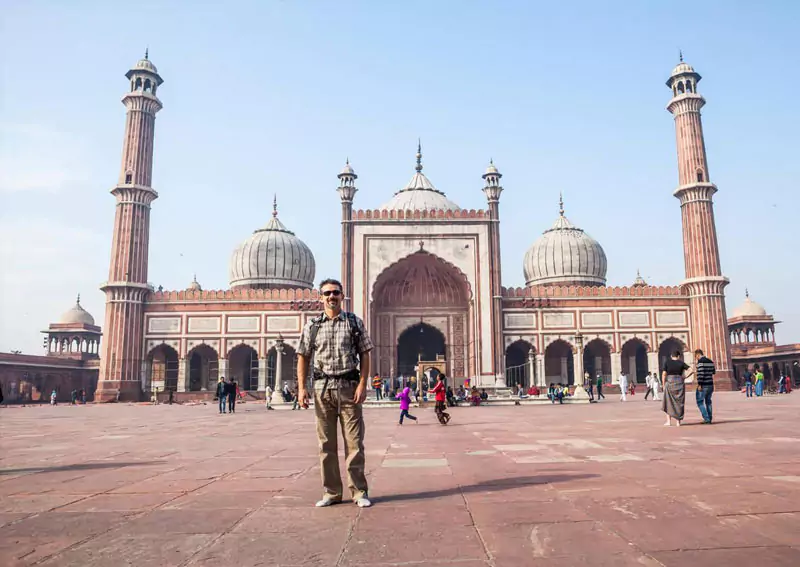
Travel Style
Solo Golden Triangle Trip or Group Tour: Which Is Better?
Neither travel style is automatically better. The right choice depends on how much freedom you want and how comfortable you are making your own arrangements.
Travelling Solo
Solo travel gives you full control over timing, food, accommodation and daily sightseeing. You can change the plan without negotiating with anyone.
Best For
- Travellers who dislike fixed schedules
- People comfortable making basic travel arrangements
- Visitors who want time for markets and local experiences
- Travellers who enjoy changing plans as they go
Joining a Group Tour
Group travel removes much of the daily planning and can make it easier to meet other travellers immediately.
Best For
- People who want transport arranged in advance
- Visitors nervous about travelling independently
- Travellers who prefer a fixed sightseeing programme
- People who enjoy spending most of the trip with a group
The useful middle ground is semi-independent travel. You can book your own hotels and daily activities but arrange a private car and driver for the Golden Triangle if you want easier intercity travel without joining a tour group.
When to Travel
Best Time to Visit Delhi, Agra and Jaipur Alone
Weather changes the feel of a solo trip because you spend more time walking, waiting for transport and deciding your own pace. Cooler months generally make outdoor sightseeing easier, while summer travel requires earlier starts and longer breaks.
October to November
These months are popular because the strongest summer heat has normally eased. You can spend longer at open-air monuments without feeling that every afternoon needs to be spent indoors. Popular travel periods, festivals and long weekends can still increase crowds and hotel prices.
December to January
North Indian winter mornings can be much cooler than first-time visitors expect. Fog can also affect road visibility and railway schedules around Delhi and the wider region. Carry a light warm layer and avoid planning extremely tight connections.
February to March
This period can offer comfortable sightseeing weather before peak summer. It works well for travellers who want long walking days in Delhi and Jaipur without the same level of afternoon heat found later in the year.
April to June
Summer changes the itinerary. Start early, keep water with you and plan indoor breaks during the hottest hours. Amber Fort, Old Delhi and large monument complexes can become tiring if you try to cover them during the middle of the day.
July to September
Monsoon showers can interrupt outdoor sightseeing, but solo travellers have an advantage: you can change the order of your day without affecting a group. A long lunch while the rain passes is easier when nobody is waiting for you.
Solo Travel Tip
Do not choose your travel month only by hotel price. A slightly cheaper trip in extreme heat can become physically harder if you plan long outdoor sightseeing days.
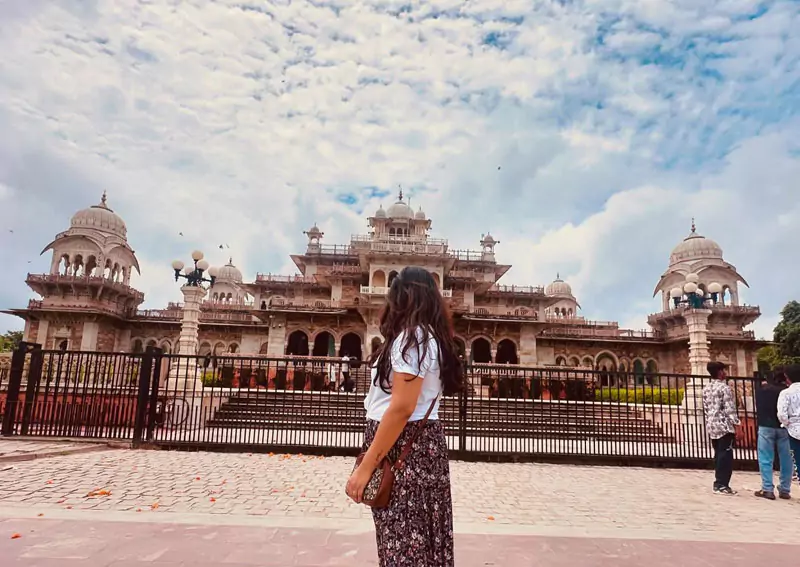
How Long to Stay
How Many Days Do You Need for a Solo Golden Triangle Trip?
Five days is possible, six days is balanced and seven days is usually better for a first solo visit. A three-day itinerary may work on paper, but much of the experience becomes transfers, hotel check-ins and rushed monument visits.
| Trip Length | Pace | Best For | Main Compromise |
|---|---|---|---|
| 3 Days | Very fast | Travellers with almost no extra time | Very limited flexibility |
| 4 Days | Fast | Main highlights only | Little time for local experiences |
| 5 Days | Moderate-fast | Confident independent travellers | Delhi or Jaipur can feel compressed |
| 6 Days | Balanced | First-time visitors | Limited spare time |
| 7 Days | Comfortable | First solo Golden Triangle journey | Requires a full week |
A seven-day plan gives you enough time to experience Delhi, stay overnight in Agra for an early Taj Mahal visit and spend two meaningful days in Jaipur. It also leaves space for an evening when you decide to do nothing.
You can also compare the route with the site’s 7-day Golden Triangle tour when deciding how much sightseeing feels realistic.
Before You Arrive
Step-by-Step Planning for Your Solo Golden Triangle Trip
1. Book Your First Delhi Stay
Do not land after a long international flight and start comparing hotels from the airport. Book your first stay in advance, save the address offline and know how you are getting there.
2. Save Important Information Offline
Keep screenshots of hotel addresses, train details, tickets and transfer information. Data is extremely useful, but your plans should not become impossible if your phone temporarily loses signal.
3. Get Mobile Data
Maps, ride-hailing services, hotel messages, translation tools and location sharing make solo travel much easier. Keep your phone charged and carry a power bank on longer sightseeing and transfer days.
4. Book Important Transport Ahead
If you know you want a specific train or private transfer, arrange it before the final day. Last-minute travel can reduce your choices and create unnecessary pressure.
5. Leave Space in the Day
Traffic, ticket queues, security checks and simply finding the right entrance take time. If every hour is booked, one small delay can make the rest of the day feel rushed.
Do Not Trust Old Timings Blindly
Monument timings, ticket systems, train schedules and access rules can change. Recheck important details close to your travel date, especially for the Taj Mahal and long-distance transport.
Getting Between Cities
Train, Bus or Private Car: What Is Best for a Solo Traveller?
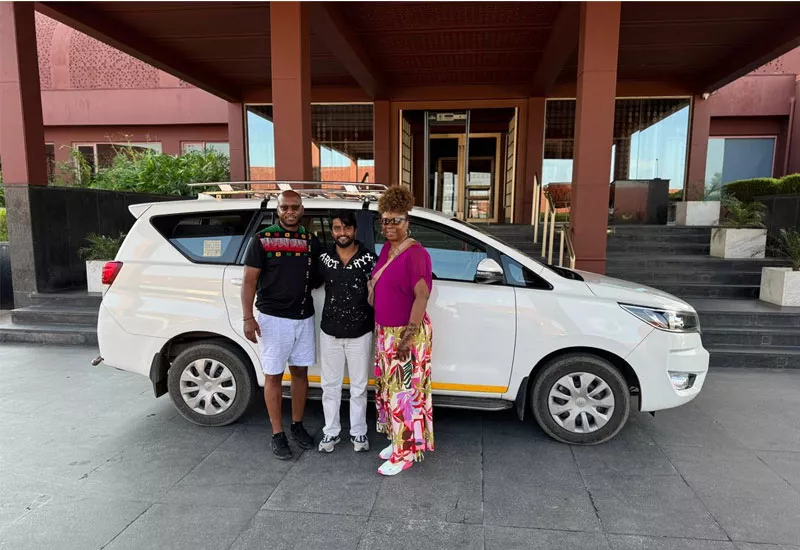
Private Car and Driver
A private car is the simplest option if you want hotel-to-hotel travel. Your luggage stays with you, stops are flexible and you do not need to arrange another taxi at each station.
For solo travellers, the disadvantage is cost because nobody is sharing the vehicle. The advantage is convenience, especially if you are uncomfortable managing luggage, stations and local transfers alone.
Before booking, read the site’s Golden Triangle private car and driver guide so you understand the practical differences between a private road trip and public transport.
Train
Train travel can be a good choice for confident solo visitors. Reserved air-conditioned classes are generally easier for travellers carrying luggage, and the journey itself becomes part of the experience.
Remember that a train ticket covers only the station-to-station journey. You still need transport from your hotel to the departure station and from the arrival station to your next hotel.
Bus
Buses can lower the cost but comfort and departure locations vary. Use established operators, check recent reviews and know exactly where the bus starts and finishes.
Mixing Transport Often Makes More Sense
You do not have to choose one transport method for the entire Golden Triangle. Delhi to Agra can work well by train, while Agra to Jaipur can be more convenient by road if you want flexible stops.
For a wider comparison, read Delhi–Agra–Jaipur: train vs car vs flight.
Suggested Itinerary
Realistic 7-Day Solo Golden Triangle Itinerary
Day 1
Arrive in Delhi and Start Slowly
Check into your hotel or hostel, shower, organise your mobile data and understand the area around your accommodation. If you arrive with enough energy, keep sightseeing simple.
Connaught Place can be an easy first stop if you are staying centrally. Travellers who want an immediate introduction to Old Delhi may prefer joining a guided walk rather than navigating unfamiliar lanes alone immediately after a long flight.
The goal of the first day is not to see half of Delhi. The goal is to wake up on day two feeling comfortable enough to enjoy it.
Day 2
Old Delhi and New Delhi
Start early in Old Delhi. Jama Masjid and Chandni Chowk naturally work together, and the morning can be easier before the lanes become extremely busy.
Take time to notice the street life instead of moving from one landmark to another. Spice shops, food stalls, religious buildings, rickshaws and tiny businesses are part of the experience.
Later, change the pace with one or two New Delhi sights. Humayun’s Tomb works particularly well because its gardens and open layout feel completely different from Old Delhi.
Do not try to combine every major Delhi attraction in a single day. The city is large and traffic can easily turn an ambitious plan into a tiring one.
Day 3
Delhi to Agra, Agra Fort and Sunset
Leave Delhi in the morning by train or road. After reaching Agra, check in before starting sightseeing so you are not carrying luggage around unnecessarily.
Make Agra Fort the main historical stop of the afternoon. It deserves more than being treated as a quick extra because you came to Agra for the Taj Mahal.
If your day is running smoothly, visit Mehtab Bagh around sunset for views towards the Taj Mahal across the Yamuna River. If you are tired, skip it. You have an early morning ahead.
Day 4
Taj Mahal Early and Travel to Jaipur
Wake early for the Taj Mahal. Cooler morning temperatures and softer light make this a popular time, although crowd levels can vary from day to day.
Take your time inside. Walk through the gardens, notice how the monument changes as you approach it and give yourself enough time to experience the complex without turning the visit into a photography race.
Remember that the Taj Mahal is closed to general visitors on Fridays. Build your itinerary around this before booking accommodation and onward transport.
After breakfast, continue towards Jaipur. A private car makes the transfer more flexible, while independent travellers can also choose rail or bus services according to schedule and comfort.
Day 5
Amber Fort and Jaipur’s Old City
Start with Amber Fort while your energy is high. It sits outside Jaipur’s old-city cluster, so visiting it first usually gives the day a cleaner route.
Spend time in the courtyards, decorated halls and viewpoints instead of rushing through the fort. On the return towards Jaipur, Jal Mahal works as a short photo stop when it fits naturally into the route.
Later, explore Hawa Mahal, City Palace and Jantar Mantar. These old-city attractions sit close enough to combine much more efficiently than Amber Fort.
Jaipur is a city where walking between nearby sights can reveal as much as the attractions themselves. You notice shopfronts, temples, textile stores, food stalls and everyday city life that disappear when you spend every minute inside a car.
Day 6
Jaipur Markets, Crafts and Local Experiences
This is the day a seven-day itinerary starts feeling genuinely relaxed. You have seen the main monuments, so you can spend time in Jaipur without a long checklist.
Explore Johari Bazaar or another established market area, join a cooking experience or book a craft activity such as block printing if that interests you.
Shopping should remain optional. Do not buy something because a driver, guide or shopkeeper has spent time explaining it. Buy because you understand the product and actually want it.
If shopping is important to your trip, read the Golden Triangle shopping guide before buying expensive jewellery, gemstones, textiles or handicrafts.
Day 7
Jaipur to Delhi or Continue Your Journey
Keep the final morning flexible. If your departure is late, enjoy one final Jaipur stop. If you have an international flight from Delhi, start the return journey with a generous buffer.
Do not plan a long Jaipur–Delhi road journey to finish shortly before your flight check-in closes. Traffic and road conditions can change. A comfortable time buffer is worth far more than squeezing in one extra attraction.
Accommodation
Where Should Solo Travellers Stay in Delhi, Agra and Jaipur?
When you travel alone, location often matters more than luxury. A cheap hotel far from restaurants, attractions and transport can become inconvenient very quickly.
Delhi
Choose an established, well-connected area. Metro access can be valuable for independent travellers, while a central location can reduce the amount of time you spend moving across the city.
Agra
Agra is often a short stay, so convenience matters. Accommodation in an established visitor area with straightforward access to the Taj Mahal can make an early morning visit much easier.
Jaipur
Jaipur gives you more accommodation variety for a longer stay. Social hostels work well if you want company, while private hotels and heritage properties suit travellers who value quiet evenings.
What to Check Before Booking
- Recent solo traveller reviews
- Comments about the neighbourhood
- Reception hours and late check-in arrangements
- Secure lockers or in-room safes
- Cleanliness and bathroom reviews
- Distance from your main sightseeing areas
- Help with airport or station transfers
- Recent solo female traveller reviews when relevant
Travel Smart
Solo Golden Triangle Safety Tips for Men and Women

You do not need to spend the trip worrying about every interaction. Good solo travel is more about awareness than fear. A few sensible habits can remove a lot of unnecessary stress.
- Share your itinerary: Send basic travel plans to someone you trust.
- Keep mobile data active: Maps and transport apps are especially valuable on transfer days.
- Use reliable transport: Prefer pre-arranged or app-based rides late at night.
- Check vehicle details: Match the registration and driver information before entering an app cab.
- Split your money: Do not keep every card and all your cash in one place.
- Keep your phone charged: Carry a power bank during full sightseeing days.
- Ignore fake closure claims: Verify monument closures through official information.
- Avoid pressure: You do not have to enter a shop because someone recommends it.
- Trust discomfort: Leave any situation that does not feel right.
- Avoid isolated late-night walks: Use transport if you are unsure about an area.
You can also read the site’s India safety guide for tourists for broader planning advice.
Extra Advice for Solo Female Travellers
Solo women do not need a completely different Golden Triangle itinerary, but transport and accommodation choices deserve extra attention. Arrange very early or late transfers in advance, read recent reviews from other women and avoid improvising transport late at night.
Lightweight clothing that covers shoulders and knees works well for many heritage and religious sites and is easy to wear in warm weather. A scarf can also be useful at religious places and during cooler mornings.
You are never required to agree to a photograph, conversation or shopping stop merely to be polite. A clear refusal is enough.
Eat Well
Food and Water Tips for Solo Golden Triangle Travellers
Eating alone in Delhi, Agra and Jaipur is easy. Casual restaurants, hotel dining rooms, cafés and busy local eateries are all normal places for one person to eat.
Delhi gives you enormous variety, from simple snacks to modern cafés. Agra adds Mughlai flavours and sweets such as petha, while Jaipur introduces Rajasthani dishes including kachori and dal baati churma.
Simple Food Habits
- Choose places with good customer turnover.
- Prefer food cooked fresh and served hot.
- Drink sealed bottled water or water from a source you trust.
- Introduce very spicy food gradually if you are not used to it.
- Keep a light snack in your day bag on long transfers.
- Wash or sanitise your hands before eating.
Do Not Be Afraid of Local Food
The goal is not to avoid Indian food. Make sensible choices, eat fresh food and give your body a little time to adjust during the first days of your trip.
Markets & Souvenirs
How to Shop Solo Without Feeling Pressured
Delhi, Agra and Jaipur all offer shopping, but each city has its own character. Delhi gives you variety, Agra is associated with marble inlay and leather goods, and Jaipur is especially well known for textiles, jewellery, gemstones, block printing and handicrafts.
Solo shopping gives you complete control, but a persistent salesperson can focus all their attention on you. If you are not interested, say no clearly and walk away. Do not begin negotiating merely because you feel uncomfortable leaving.
Be especially careful with expensive jewellery, gemstones and high-value craft products. Take time, understand what is being sold and do not make an expensive purchase because someone tells you a special price is available “only today”.
For more detailed buying advice, read the best shopping guide for India’s Golden Triangle.
Money Planning
How Much Should a Solo Traveller Budget?
Solo travellers usually pay more per person than couples because hotel rooms and private vehicles are not being shared. Your final budget depends mainly on accommodation standard, transport and how often you use private guides or activities.
| Expense | Budget Style | Comfort Style |
|---|---|---|
| Accommodation | Hostels and guesthouses | Private rooms and mid-range hotels |
| Inter-city Travel | Train and bus | AC train or private car |
| Local Travel | Metro, auto and app cab | App cab or private vehicle |
| Food | Local restaurants and cafés | Mix of local and comfortable dining |
| Activities | Main monuments | Monuments, guides and workshops |
Keep an Emergency Margin
Do not plan your budget down to the final rupee. A changed train, extra taxi, unexpected hotel change or medical purchase should not create a financial problem halfway through the trip.
Understand Private-Car Quotes
If you hire a driver, ask whether fuel, tolls, parking, state taxes and driver expenses are included. The cheapest headline price is not always the lowest final price.
Pack Light
Packing Essentials for Independent Golden Triangle Travel
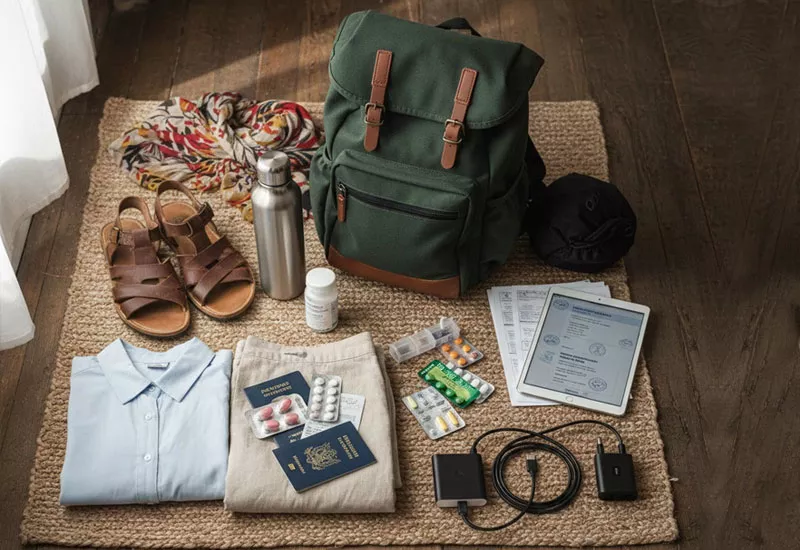
- Breathable shirts and trousers
- Comfortable walking shoes
- Light scarf
- Warm layer for winter mornings
- Sun protection
- Personal medicines
- Hand sanitiser
- Power bank
- Charging cables
- Universal travel adapter
- Small day bag
- Luggage lock
- Digital passport and visa copies
- Insurance details
- Reusable water bottle where safe refills are available
What Can Go Wrong?
Common Solo Golden Triangle Challenges and How to Handle Them
1. Crowds Feel Overwhelming
Your first railway station or Old Delhi morning can feel intense. Do not assume the entire trip will feel like that. Sit somewhere quieter, have a drink, take a break and continue when you feel ready.
2. A Seller Will Not Stop Talking
A short, clear refusal works better than a long explanation. If you do not want to shop, keep walking.
3. Your Map Underestimates Traffic
Map travel times are estimates. In Delhi and Jaipur, traffic can change quickly. Leave extra time before trains, flights and fixed-ticket activities.
4. You Feel Tired Earlier Than Expected
Drop something from the itinerary. This is one of solo travel’s greatest advantages. Nobody else needs you to complete a checklist.
5. Railway Stations Feel Confusing
Arrive early enough that confusion is not an emergency. Check official display boards and ask railway staff rather than relying on random people offering unsolicited help.
6. You Feel Lonely
Join a walking tour, food experience, cooking class or hostel activity. You can spend a few hours with other travellers without giving up your independent itinerary.
Stay Longer
Best Places to Add After a Solo Golden Triangle Trip
Pushkar and Ajmer
These destinations work for travellers who want a smaller Rajasthan experience, pilgrimage sites and a more relaxed pace after Jaipur.
Jodhpur
Jodhpur is a strong continuation if Rajasthan’s forts and old-city streets have become the highlight of your trip. Mehrangarh Fort gives the journey another completely different royal setting.
Bharatpur
Keoladeo is worth considering for travellers interested in birdlife and nature rather than another large city.
Rishikesh and Haridwar
Choose this direction if the next part of your trip is about yoga, temples, spirituality and the Ganges rather than continuing deeper into Rajasthan.
Travel Independently
Want Solo Freedom Without Managing Every Transfer?
You can keep your Golden Triangle trip independent while arranging only the parts that make travel easier. Choose your own hotels, sightseeing pace and experiences while using a private car, local guides or selected transfers where they add genuine convenience.
- Flexible Delhi, Agra and Jaipur route
- Private air-conditioned transport if required
- Independent hotel choices
- Optional local guides
- Flexible sightseeing times
- Ranthambore, Udaipur and Rajasthan extensions
Common Questions
Frequently Asked Questions About Solo Golden Triangle Travel
These answers cover the most common questions first-time independent travellers ask before visiting Delhi, Agra and Jaipur.
Is the Golden Triangle suitable for a first solo trip to India?
Yes. Delhi, Agra and Jaipur are established tourism destinations with a wide choice of accommodation, transport and sightseeing services. Good planning makes the route easier for first-time visitors.
How many days should a solo traveller spend on the Golden Triangle?
Five days can cover the main highlights, but six to seven days gives most solo travellers a better balance between sightseeing, transport, markets and rest.
Is seven days too long for Delhi, Agra and Jaipur?
No. Seven days gives you time for Delhi’s main sights, an overnight stay in Agra and two useful days in Jaipur without turning every day into a transfer.
Can I travel between Delhi, Agra and Jaipur by train?
Yes. Train travel is an option between the main Golden Triangle cities. Reserve suitable services in advance and include hotel-to-station transfers when planning your journey.
Is a private driver worth it for a solo traveller?
It can be worthwhile if you value hotel-to-hotel transport, easy luggage handling and flexible sightseeing more than keeping transport costs as low as possible.
Is the Taj Mahal open every day?
No. The Taj Mahal is closed to general visitors on Fridays, so plan your Agra stay around this before booking onward transport.
Should I visit the Taj Mahal early in the morning?
An early visit can offer cooler temperatures and attractive morning light. Crowd levels vary, so do not assume an early visit will always mean an empty monument.
Is the Golden Triangle suitable for solo female travellers?
Many women travel the route independently. Well-reviewed accommodation, reliable transport, appropriate clothing for local settings and avoiding isolated areas late at night can make the trip easier.
Should a solo traveller stay in hostels or hotels?
Choose according to your travel style. Hostels make meeting other travellers easier, while private hotels provide more quiet and personal space. Location and recent reviews matter most.
Can I travel the Golden Triangle on a budget?
Yes. Hostels, guesthouses, reserved trains, local restaurants and selective paid activities can keep costs controlled. Private cars and higher-end hotels increase the budget.
Do I need a guide in every city?
No. Many attractions can be explored independently. Hiring a guide selectively at places such as the Taj Mahal, Old Delhi or Jaipur’s heritage area can add useful historical context.
How can I avoid shopping pressure?
Do not feel obligated to enter recommended shops. Understand expensive purchases before paying, be cautious with high-pressure sales tactics and leave when a shopping situation feels uncomfortable.
What should I add after Jaipur?
Ranthambore works well for wildlife, Udaipur for lakes and palaces, Jodhpur for forts, Pushkar for a smaller Rajasthan stop and Rishikesh for a spiritual extension.
What is the biggest solo Golden Triangle planning mistake?
Trying to fit too much into every day. Delhi is large, transfers take time and major monuments deserve more than rushed photo stops. A slightly slower itinerary is usually more enjoyable.
Final Solo Travel Advice
Keep the Route Structured, but Keep Your Days Flexible
A good solo Golden Triangle trip is not about proving that you can do everything alone. Independence means choosing the support that makes sense for you. Take the train if you want the experience. Hire a driver if station transfers and luggage would make the trip stressful. Book a guide when you want context and explore independently when you want space.
Start Delhi gently, protect your Taj Mahal morning and give Jaipur enough time to be more than Amber Fort and Hawa Mahal. Leave gaps in the itinerary because those gaps are where solo travel starts feeling personal.
Your strongest memory may be the first view of the Taj Mahal or Amber Fort at sunrise. It may also be a quiet chai, a conversation over breakfast or an hour wandering a Jaipur market with nowhere else you need to be. That freedom is what makes the Golden Triangle such a rewarding route to travel alone.
Meeting People
How to Stay Social While Travelling Alone