
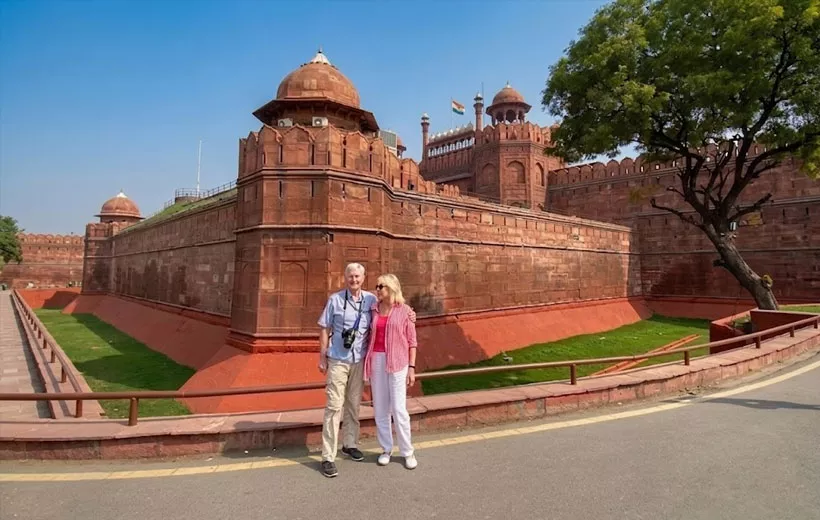
The Golden Triangle in North India links Delhi, Agra, and Jaipur in one classic loop that many first‑time visitors choose for their introduction to the country. Travellers usually start in the capital, continue to Agra for the Taj Mahal, and then end in Jaipur, the colourful Pink City of Rajasthan. This route combines grand Mughal monuments, lively bazaars, royal palaces, and everyday street life in a way that feels intense, exciting, and unforgettable.
Most Golden Triangle itineraries take between three and seven days, and travellers usually cover the route by private car with driver or by a mix of trains and transfers. The total driving distance comes to roughly 700–750 kilometres, and each leg between cities takes around 4–6 hours by road in normal traffic. Because Delhi, Agra, and Jaipur sit in North India’s plains, the most comfortable time to travel runs from about October to March, when the weather feels cooler and less humid than in the hot summer months.
This guide focuses on the top 10 things to see on a Golden Triangle tour of India. Each section shares what makes the place special, what to look out for, and a few practical tips that help a first‑time visitor move around more confidently. The goal is to give travellers a clear, honest sense of what it actually feels like to stand in these spots, not just a list of names. The guide also includes suggestions for how to link these highlights into a smooth Delhi–Agra–Jaipur itinerary.
What Exactly Is India’s Golden Triangle?
The Golden Triangle refers to a popular tourist circuit in North India that connects the cities of Delhi, Agra, and Jaipur in a roughly triangular shape on the map. Delhi serves as the national capital and the usual entry point for international flights. Agra lies about 200 kilometres south of Delhi on the Yamuna River and once functioned as the powerful capital of the Mughal Empire. Jaipur sits to the southwest in Rajasthan and carries the nickname “Pink City” because of the terracotta‑pink facades in its historic centre.
Travelers choose this route because it mixes three different flavours of India in a compact trip:
- Delhi offers a blend of old and new, from Mughal monuments and narrow lanes in Old Delhi to wide avenues, government buildings, and modern suburbs in New Delhi.
- Agra focuses on Mughal architecture and romance, with the Taj Mahal and Agra Fort at its heart.
- Jaipur showcases Rajput palaces, hilltop forts, colourful bazaars, and a strong sense of Rajasthan’s royal past.
Because the distances are manageable and the roads are relatively straightforward, many visitors book a private car and driver for the entire Golden Triangle itinerary. This option allows flexible stops at viewpoints, roadside dhabas, and lesser‑known monuments such as stepwells and abandoned forts that standard point‑to‑point transfers usually skip.
How This Top 10 List Works
This list highlights a mix of must‑see monuments and broader experiences that define the Golden Triangle. The Taj Mahal obviously appears, but the list also includes places like Old Delhi’s bazaars and Jaipur’s evening viewpoints, because these experiences often live just as strongly in travellers’ memories as a famous tomb or fort.
Each section covers three main points:
- Why the place matters on a Golden Triangle tour
- What to look out for when you visit
- Practical tips, including best times of day and small etiquette details
The sections appear in the order that most itineraries follow: starting with Delhi, then moving to Agra, and finally arriving in Jaipur. Travellers can easily adapt this structure to match their own schedule or reverse it if they start in Jaipur instead of Delhi.
1. Taj Mahal, Agra
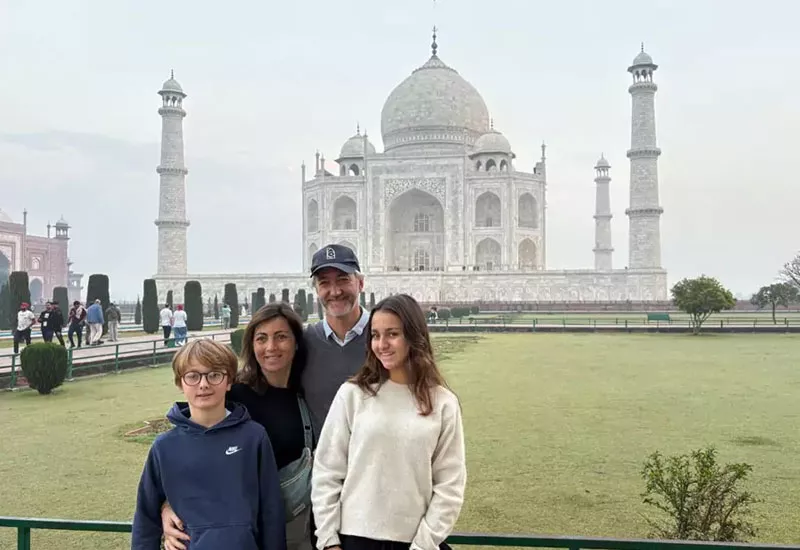
The Taj Mahal ranks as the single most iconic stop on any Golden Triangle itinerary and regularly appears on lists of the world’s most beautiful buildings. The Mughal emperor Shah Jahan commissioned this white marble mausoleum in the seventeenth century in memory of his wife Mumtaz Mahal, and the symmetry, inlay work, and riverside setting create a powerful emotional impact.
When travellers first walk through the red sandstone gateway and the full view of the Taj opens up, the moment usually feels more intense than any photograph. The central dome rises above four slender minarets, and the building reflects in the long rectangular water channels that run through the gardens. Close‑up, the marble reveals delicate floral motifs and calligraphy carved and inlaid with semi‑precious stones, which reward slow, careful looking rather than a quick photo stop.
Highlights at the Taj Mahal
- The main mausoleum with its double dome and intricate pietra dura inlay work.
- The formal Mughal gardens laid out along a central water axis, symbolising paradise in Islamic tradition.
- The changing colours of the marble at sunrise and sunset, when the light makes the building glow from cool white to warm gold.
Practical Tips for Visiting the Taj Mahal
Most travellers aim for sunrise or early morning, because the light looks soft, temperatures feel cooler, and the crowds usually thin compared to midday. Security lines can take time, so arriving at the entrance gates before opening time helps. Local guides can explain the history and architectural symbolism and know the best vantage points for photos away from the densest crowds.
The complex has separate queues and ticket windows for different categories of visitors, and rules about what you can and cannot carry inside change from time to time, so checking current guidance before arrival avoids problems. Comfortable footwear matters, because you spend a lot of time on your feet, and visitors typically cover or remove shoes when entering the main inner chamber as a sign of respect.
2. Agra Fort and the Yamuna Riverside
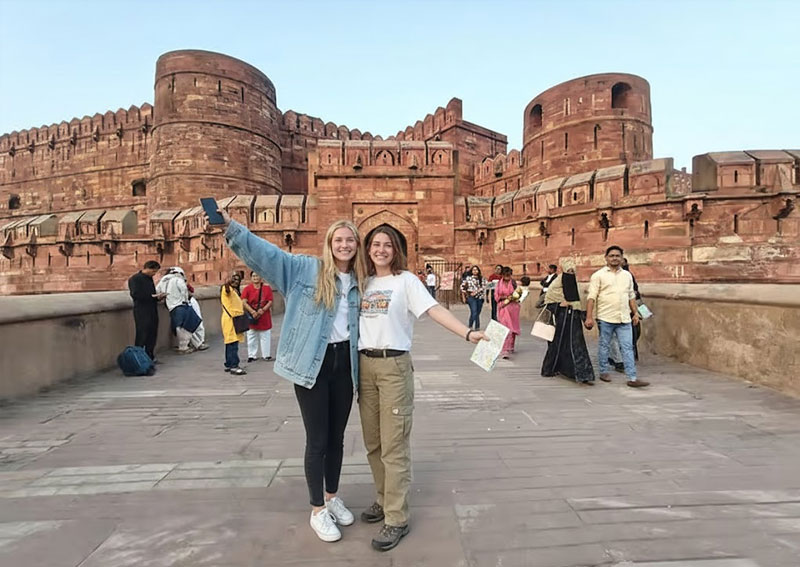
While the Taj Mahal draws the headlines, Agra Fort offers a broader picture of Mughal power and daily life, and it deserves a firm place on any Golden Triangle top‑10 list. This huge red sandstone fortress sits on the banks of the Yamuna River and once operated as a walled city, complete with palaces, audience halls, and defensive walls. Many emperors, including Akbar, Jahangir, and Shah Jahan, ruled from here during Agra’s time as capital.
Inside the fort, travellers move through a sequence of courtyards and palaces that show how Mughal architecture evolved from heavier, more solid red sandstone buildings to lighter, more delicate marble structures. Several viewpoints within the fort offer framed views of the Taj Mahal across the river, which adds an emotional layer when guides recount how Shah Jahan spent his final years here, looking towards the tomb of Mumtaz Mahal.
What to See Inside Agra Fort
- The Diwan‑i‑Am (Hall of Public Audience), where the emperor addressed petitions and held public ceremonies.
- The Diwan‑i‑Khas (Hall of Private Audience) and the more intimate palaces where the royal family lived.
- The Mughal gardens, balconies, and pavilions that face the river and frame distant views of the Taj.
Tips for Exploring Agra Fort
Travellers often combine Agra Fort with either a sunrise or sunset visit to the Taj Mahal on the same day. Late afternoon offers gentle light on the red sandstone and more comfortable temperatures during most of the year. Hiring a licensed guide at the entrance helps visitors understand the layers of history and navigate the large complex without missing key sections.
Mehtab Bagh, a Mughal garden complex just across the river from the Taj Mahal, works as a pleasant add‑on, especially at sunset. From here, visitors enjoy a straight‑on view of the Taj with the river in the foreground, which makes a good spot for photos and a more relaxed atmosphere after the busier main complex.
3. Fatehpur Sikri: The Ghost City Between Agra and Jaipur
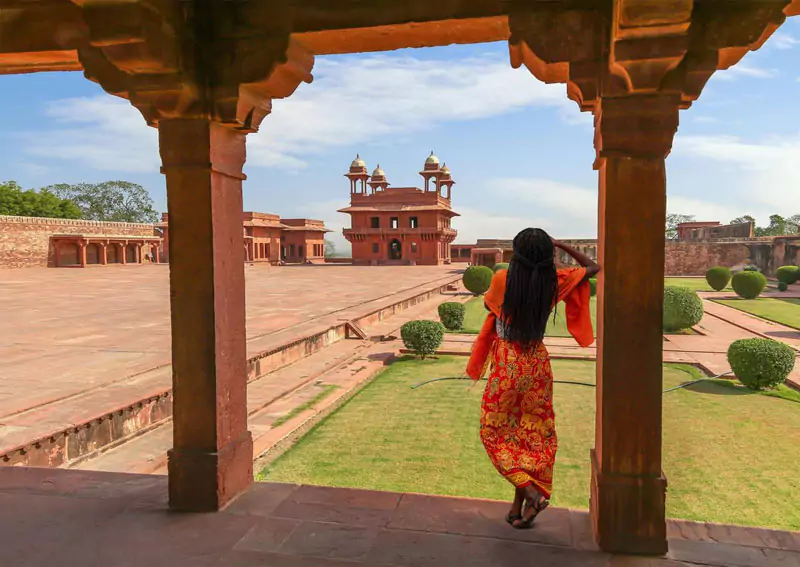
Between Agra and Jaipur, many Golden Triangle itineraries include a stop at Fatehpur Sikri, a fortified city that Mughal emperor Akbar built in the sixteenth century and later abandoned. Today, the site counts as a UNESCO World Heritage site and preserves palaces, mosques, and courtyards in remarkably good condition.
The complex divides into two main areas: the royal palaces, where Akbar and his court lived and worked, and the religious complex centred around Jama Masjid and the white marble tomb of the Sufi saint Salim Chishti. Visitors often enter through the massive Buland Darwaza, or Victory Gate, which towers above the surrounding countryside and sends a clear message about imperial power.
Why Fatehpur Sikri Belongs in the Top 10
- It offers one of the best‑preserved glimpses of a complete Mughal capital, from audience halls to royal residences.
- The blend of Persian and Indian architectural styles appears clearly in the carvings, pillars, and courtyards.
- The atmosphere feels quieter than many city‑centre monuments, especially in the early morning or late afternoon.
Because Fatehpur Sikri lies roughly an hour’s drive from Agra, travellers can either visit on a half‑day trip from the city or as a stop on the way to Jaipur. Many overland Golden Triangle tours choose the second option, which breaks up the journey and uses time efficiently. Walking shoes, a hat, and drinking water matter, as the stone courtyards can feel hot in the midday sun, especially during India’s warmer months.
4. Old Delhi’s Bazaars and Chandni Chowk
Old Delhi, once known as Shahjahanabad, formed the Mughal capital before the British built New Delhi, and it still offers some of the most intense urban experiences on a Golden Triangle tour. The area around Chandni Chowk, a historic market street, packs in wholesale shops, street‑food stalls, and narrow lanes lined with havelis (traditional townhouses) and small temples.
Travellers often explore Old Delhi by a mix of walking and cycle‑rickshaw, which allows them to slip through lanes that cars and buses cannot enter. The combination of sights, sounds, and smells—spices, incense, frying snacks, and the constant movement of people and vehicles—creates a multilayered impression that many visitors remember vividly after the trip.
Key Spots Around Chandni Chowk
- Khari Baoli, one of Asia’s largest spice markets, where traders stack sacks of chilli, turmeric, and other spices in multi‑storey warehouses.
- Narrow side streets dedicated to jewellery, bridal clothing, silver, and other specialised markets.
- Traditional sweet shops and small eateries serving chaat, parathas, jalebis, and other Delhi favourites.
Tips for Enjoying Old Delhi
Guided walking tours help visitors navigate the maze‑like lanes and discover hidden courtyards, rooftop viewpoints, and stepwells such as Agrasen ki Baoli, which lies a short distance away in central Delhi. Many travellers find that starting early in the day or late in the afternoon avoids the fiercest heat and offers slightly calmer streets compared with the midday rush.
Respectful dress—covering shoulders and knees—works well, especially if the visit includes religious sites such as mosques or temples. Carrying a small amount of cash makes it easy to try snacks, buy spices, or pick up small souvenirs without pulling out a bank card for every purchase.
5. Jama Masjid and the Red Fort, Delhi
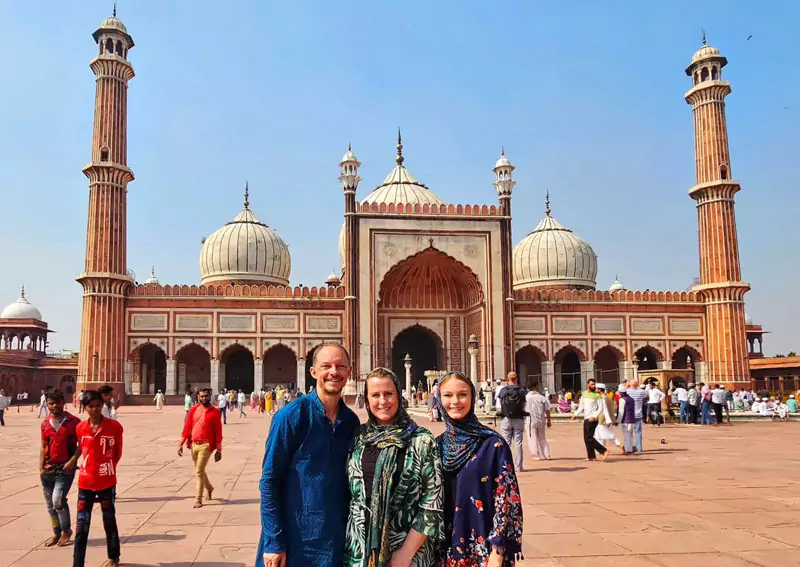
Two major Mughal landmarks dominate the skyline near Old Delhi: Jama Masjid, one of India’s largest mosques, and the Red Fort, a walled palace complex built from red sandstone. These monuments frame the story of Delhi as a Mughal capital and deserve a dedicated slot on a Golden Triangle itinerary.
Jama Masjid sits on a raised platform and offers views over Old Delhi’s rooftops from its courtyard and minarets. Mughal emperor Shah Jahan, who also commissioned the Taj Mahal, ordered the construction of this mosque, and the combination of broad steps, onion domes, and tall minarets creates a dramatic profile. Inside the courtyard, the atmosphere can feel peaceful between prayer times, especially in the early morning or late afternoon.
The nearby Red Fort, or Lal Qila, served as the main residence of the Mughal emperors for around two centuries. High walls and bastions enclose palaces, audience halls, and gardens that show another stage in Mughal architectural development. The complex also holds strong modern symbolism because India’s prime minister delivers the Independence Day address from its ramparts each year.
Visiting Tips for Jama Masjid and Red Fort
- Dress modestly, especially for Jama Masjid, where visitors may need to cover legs and shoulders and remove shoes in the main prayer areas.
- Plan for security checks and allow enough time to explore the fort’s inner palaces and museums rather than just photographing the walls from outside.
- Consider combining these monuments with a wider Old Delhi walking tour for a more complete picture of the area.
6. New Delhi Monuments: Humayun’s Tomb and Qutub Minar
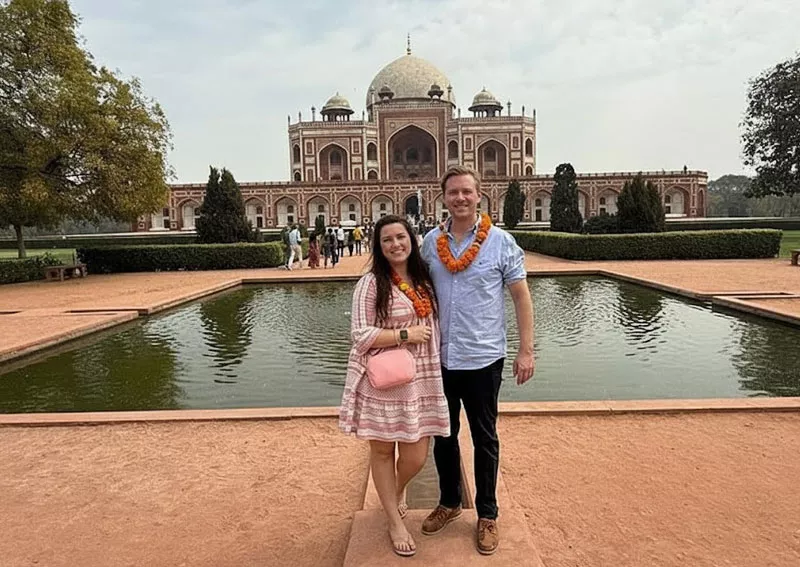
New Delhi, planned during the British colonial period, includes broad avenues, government buildings, and leafy neighbourhoods, but it also surrounds several older Mughal and Sultanate‑era monuments that fit naturally into a Golden Triangle tour. Two of the most significant are Humayun’s Tomb and Qutub Minar, both recognised as UNESCO World Heritage sites.
Humayun’s Tomb lies in a large garden complex and often gets described as a precursor to the Taj Mahal because of its symmetrical layout, charbagh gardens, and central dome. Persian craftsmen and local artisans collaborated on the design under the patronage of Humayun’s widow, and the mix of red sandstone and white marble gives the building a warm, harmonious feel.
Qutub Minar, in the southern part of Delhi, ranks among the tallest brick minarets in the world and dates back to the early Delhi Sultanate. The tower rises from a larger complex that includes the Quwwat‑ul‑Islam Mosque, carved pillars repurposed from earlier temples, and the famous Iron Pillar, which has resisted corrosion for centuries.
Why These Monuments Matter
- They show how Indo‑Islamic architecture developed in stages from the early Sultanate period to the height of the Mughal era.
- The garden settings at Humayun’s Tomb and the open courtyards around Qutub Minar offer calmer, more contemplative spaces than some busier city‑centre sites.
- Both locations sit within easy driving distance of central Delhi hotels and combine well in a half‑day sightseeing tour.
7. Amber Fort, Jaipur
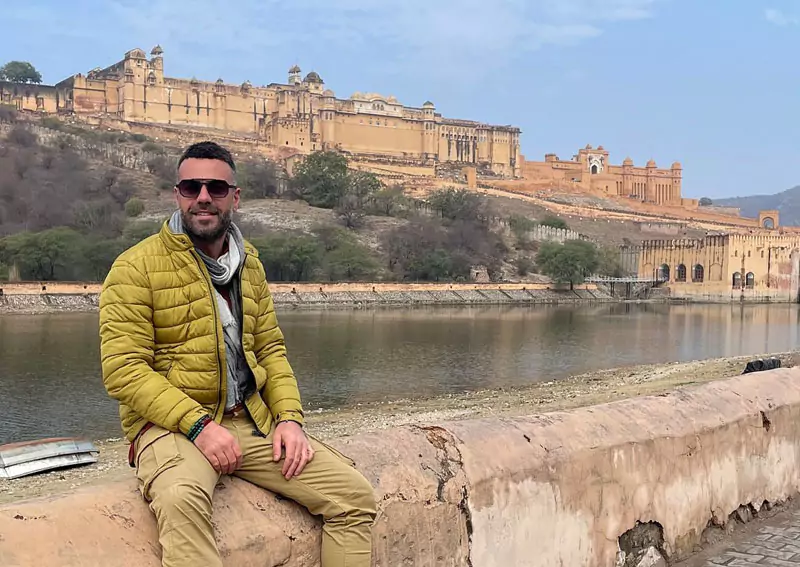
Amber Fort, also known as Amer Fort, stands on a hill overlooking Maota Lake just outside Jaipur and counts among Rajasthan’s most impressive hill forts. Rajput rulers began building the fort in the sixteenth century, and later additions created a complex of courtyards, palaces, and defensive walls that climb along the ridge. The fort’s blend of Rajput and Mughal architectural elements mirrors the political alliances of the time.
Visitors reach the main courtyard either by vehicle, by walking up the ramp, or by using jeeps organised from the base area. Inside, they find the Diwan‑i‑Am, the Ganesh Pol gateway decorated with colourful frescoes, and the Sheesh Mahal (Hall of Mirrors), where tiny mirrors catch and reflect light in intricate patterns.
Highlights at Amber Fort
- Panoramic views over the lake, the surrounding hills, and Jaipur’s outskirts from the higher ramparts and terraces.
- Detailed mirror work, lattice windows, and painted arches inside the royal apartments.
- Evening sound‑and‑light shows in some seasons, which project stories about the fort’s history onto its walls.
Practical Advice for Amber Fort
Early morning or late afternoon visits feel more comfortable, because the sun can beat down on the stone courtyards in the middle of the day. A local guide can help travellers choose a route through the complex that avoids backtracking and highlights quieter corners that many large groups skip. Combining Amber Fort with nearby viewpoints and stepwells, such as Panna Meena ka Kund, creates a full morning or afternoon focused on Jaipur’s northern outskirts.
8. Jaipur City Palace and Jantar Mantar
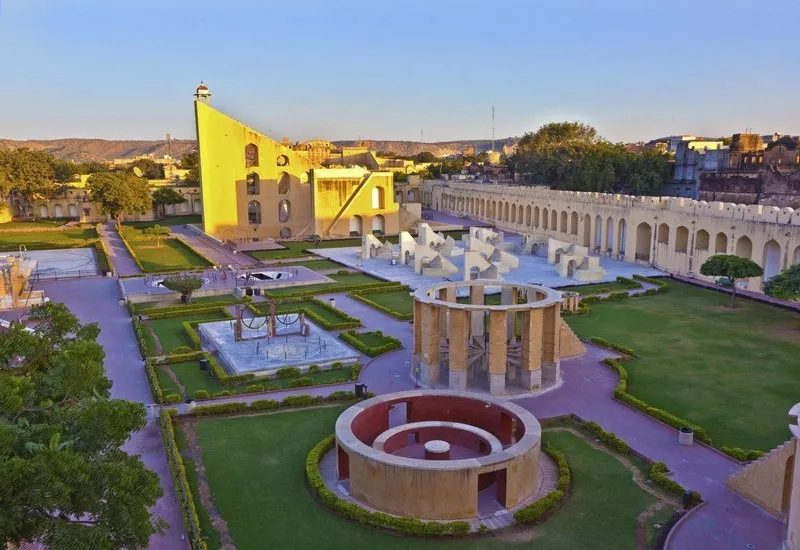
In the heart of Jaipur’s old city, the City Palace complex and the neighbouring Jantar Mantar observatory illustrate the creativity and scientific interests of Jaipur’s rulers. The City Palace still houses the royal family in part of its grounds, while other sections operate as museums that display textiles, weapons, artwork, and royal artefacts.
Architecturally, the palace combines Rajput and Mughal influences with European touches added during the nineteenth and twentieth centuries. Courtyards, gateways, and pavilions lead visitors through a space that feels both regal and lived‑in. Highlights often include the Peacock Gate in the Pritam Niwas Chowk courtyard and the grand Diwan‑i‑Khas with its huge silver vessels.
Next door, Jantar Mantar showcases a collection of large masonry instruments that the astronomer‑king Jai Singh II commissioned for naked‑eye observations of the sky. The giant sundial, known as the Samrat Yantra, can measure local time with remarkable precision when used correctly. Other instruments track zodiac positions and celestial coordinates.
Why Jaipur City Palace and Jantar Mantar Belong on the List
- They reveal a side of Jaipur’s rulers that goes beyond warfare and palace intrigue to include science, astronomy, and city planning.
- The central location makes them easy to combine with Hawa Mahal, local markets, and nearby temples in a single walking circuit.
- The architecture and instruments offer distinctive photo opportunities that differ from those at forts and tombs elsewhere on the Golden Triangle.
9. Hawa Mahal and Jaipur’s Bazaars
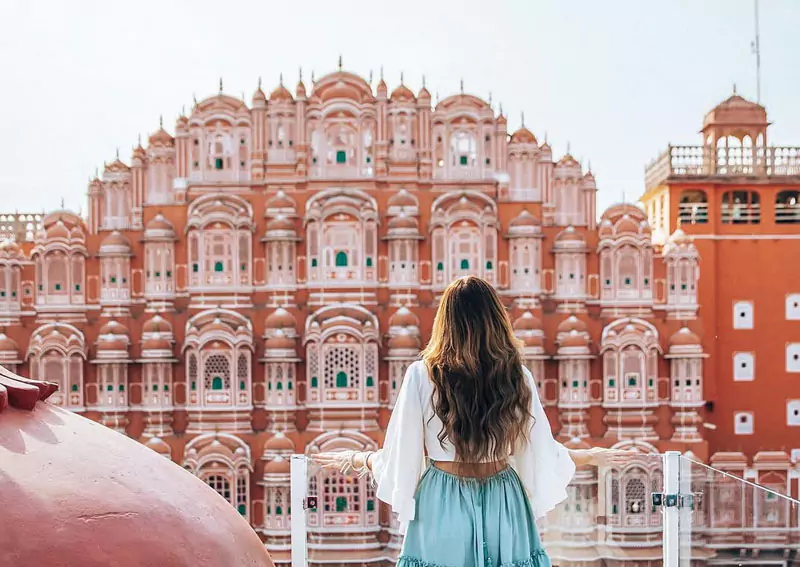
Hawa Mahal, or the “Palace of Winds,” has become one of Jaipur’s most recognisable landmarks. The honeycomb‑like facade faces a busy street and consists of hundreds of small windows and jharokhas (overhanging balconies) that allowed royal women to watch processions and daily life without leaving the palace in earlier times.
The building forms part of the larger City Palace complex, but many visitors experience it first from the outside, often from cafes and rooftops across the road that frame the facade against the sky. Inside, narrow passages and small chambers lead up to viewpoints that overlook Jaipur’s old city, offering a sense of how the palace connected to the surrounding streets.
Around Hawa Mahal, Jaipur’s bazaars spread through a grid of streets laid out when the city was founded in the eighteenth century. Different lanes specialise in textiles, jewellery, lac bangles, spices, and everyday household goods. The uniform pink‑orange colour of many buildings in this area dates back to preparations for the visit of the Prince of Wales in 1876, when Jaipur’s rulers ordered a fresh coat of paint to welcome him.
Shopping and Street Life in Jaipur
- Johari Bazaar and nearby lanes focus on jewellery, particularly pieces made with precious and semi‑precious stones.
- Bapu Bazaar and Nehru Bazaar offer textiles, block‑printed fabrics, and souvenirs such as mojari shoes and decorative items.
- Street‑food stalls and small eateries serve kachori, lassi, and other Rajasthani snacks that work well as quick bites between sightseeing stops.
Travellers who enjoy photography often find no shortage of subjects here, from hand‑painted shop signs to cycle‑rickshaws, street vendors, and colourful doorways. Visiting early in the morning reveals the markets slowly waking up, while evenings showcase a more energetic atmosphere with lit‑up shops and heavier foot traffic.
10. Jal Mahal and Jaipur’s Hilltop Views

On the road between Jaipur and Amber lies Jal Mahal, a palace that appears to float in the middle of Man Sagar Lake. Only the top storey of the building rises above the waterline, while the lower levels remain submerged, which creates a distinctive silhouette. Visitors cannot usually enter the palace itself, but they can enjoy views from the lakeside promenade and nearby viewpoints.
Jal Mahal often forms part of a wider circuit of Jaipur viewpoints that includes hilltop forts such as Nahargarh and Jaigarh. From these ramparts, travellers look out over the grid of Jaipur’s old city, surrounding hills, and the distant plains, especially atmospheric at sunset. The combination of lake reflections, city lights, and the changing colours of the sky offers a different visual experience compared with the daytime bustle of markets.
Why Hilltop Views Matter on a Golden Triangle Tour
- They provide a sense of the broader landscape around Jaipur and how the city fits into the hills and plains of eastern Rajasthan.
- Sunset viewpoints offer a calmer, more reflective way to end a day of sightseeing after busy markets and monuments.
- Evening photo opportunities from places like Nahargarh’s terrace cafes contrast nicely with daytime shots of forts and palaces.
Suggested Golden Triangle Itineraries
Golden Triangle tours commonly range from three to seven days, depending on how quickly travellers want to move and how many side trips they include. Shorter itineraries focus on core city‑centre highlights, while longer trips allow time for places like Fatehpur Sikri, stepwells, and additional neighbourhood walks.
Classic 4‑Night / 5‑Day Outline
Many tour operators and independent travellers follow a structure 5 days Golden Triangle Tour similar to this:
- Day 1: Arrive in Delhi, visit a mix of New Delhi highlights such as India Gate, Rashtrapati Bhavan, Humayun’s Tomb, and Qutub Minar.
- Day 2: Explore Old Delhi, including Jama Masjid, Chandni Chowk, and the Red Fort, then travel to Agra in the afternoon or evening.
- Day 3: Visit the Taj Mahal at sunrise, explore Agra Fort and nearby sights, then drive to Jaipur via Fatehpur Sikri.
- Day 4: Spend a full day in Jaipur, including Amber Fort, City Palace, Jantar Mantar, Hawa Mahal, and local bazaars.
- Day 5: Enjoy a final morning in Jaipur or return to Delhi for departure, possibly stopping at viewpoints such as Jal Mahal along the way.
Longer 6‑ or 7‑Day Options
Travellers who have more time can add:
- Extra museum and neighbourhood time in Delhi, including modern attractions like the Lotus Temple, Lodhi Gardens, and local markets.
- A slower pace in Agra with additional visits to Mehtab Bagh, Itimad‑ud‑Daulah (Baby Taj), or Akbar’s Tomb in Sikandra.
- Additional experiences around Jaipur, such as block‑printing workshops, village visits, or day trips to nearby forts and temples.
Private car and driver arrangements, as well as customised tour packages, make it easy to adjust the balance between structured sightseeing and free time based on each traveller’s interests. Couples, families, and small groups often appreciate this flexibility more than a rigid group tour schedule.
Practical Tips for a Smooth Golden Triangle Tour
Beyond choosing the right sights, a few practical decisions can make the Golden Triangle feel more enjoyable and less overwhelming.
Best Time to Travel India Golden Triangle
Most guides and tour operators suggest planning Golden Triangle trips between October and March, when daytime temperatures feel more comfortable and humidity stays relatively lower. December and January can bring cooler evenings and occasional fog around Delhi and Agra, while April to June often feels very hot in North India’s plains.
Monsoon rains arrive roughly between July and September, bringing fewer foreign tourists but higher humidity and occasional travel disruptions. Some travellers still enjoy visiting during this season, especially if they prefer lush landscapes and lower hotel prices, but they should build more flexibility into their plans.
Getting Around: Car, Train, or Tour Package
The total driving distance of about 700–750 kilometres means that a private car and driver can comfortably cover the Golden Triangle in under a week. Road journeys between cities normally take around 4–6 hours each, depending on traffic and road conditions. Many travellers choose this option because it allows door‑to‑door transfers, flexible stops, and a consistent driver who becomes a familiar face throughout the trip.
Trains also link Delhi, Agra, and Jaipur, and some itineraries combine fast trains with local drivers for station transfers and sightseeing. Travellers who prefer a fully packaged experience can book Golden Triangle tour packages that bundle accommodation, transport, local guides, and some meals into one price.
Choosing Accommodation
Delhi, Agra, and Jaipur offer everything from budget guesthouses to luxury heritage hotels and modern business‑class properties. In Delhi, many visitors prefer central areas with good metro access or quieter neighbourhoods in South Delhi for easier evenings after sightseeing. In Agra, hotels near the Taj Mahal’s eastern and southern gates reduce transfer times for sunrise visits. In Jaipur, staying within or near the old city keeps travellers close to markets and major sights, while properties on the outskirts offer more space and often calmer surroundings.
Cultural Etiquette and Dress
North India’s major tourist cities welcome visitors from all over the world, but modest dress still feels appropriate, especially in religious spaces. Lightweight clothing that covers shoulders and knees works well in most seasons, with a scarf or shawl handy for mosques and temples. Removing shoes in certain areas, particularly inside prayer halls and some palace rooms, shows respect and often protects delicate flooring.
Photographing people in markets or villages can lead to memorable images, but asking permission with a smile before taking close‑up portraits keeps interactions positive. In crowded areas, keeping valuables secure and using a small daypack worn in front instead of on the back reduces the risk of pickpocketing.
Health, Safety, and Comfort
Carrying bottled or filtered water and staying hydrated matters, especially during warm months and long days outdoors. Many travellers choose cooked, freshly prepared food from busy stalls or restaurants with high turnover to reduce the risk of stomach issues. Hand sanitiser and wet wipes come in handy after handling cash, touching railings, or eating street food.
Traffic in Delhi, Agra, and Jaipur often feels chaotic to first‑time visitors, but local drivers understand the rhythm of the roads. Crossing streets works best by moving steadily with local pedestrians rather than stopping and starting unpredictably. At crowded sites, agreeing on a meeting point before wandering for photos or exploring independently helps groups avoid getting separated.
Making the Golden Triangle Your Own
The Golden Triangle earns its popularity because it distils many of North India’s most recognisable experiences—Mughal architecture, Rajput forts, busy bazaars, and varied street food—into a compact route that fits into one trip. For many travellers, this circuit becomes the first chapter in a longer relationship with India, leading them to return later for regions like Rajasthan’s desert cities, Kerala’s backwaters, or the Himalayas.
Within this classic framework, every traveller can still shape a personal version of the route. History enthusiasts may spend extra time in museums and lesser‑known tombs, while photographers might focus on sunrise and sunset viewpoints. Food lovers can arrange walking tours that highlight local snacks, while families may choose hotels with more space and slower pacing. Flexible private‑driver itineraries and custom tour packages make these adjustments straightforward.
By combining the ten experiences in this guide—Taj Mahal, Agra Fort, Fatehpur Sikri, Old Delhi, Jama Masjid and the Red Fort, New Delhi monuments, Amber Fort, Jaipur City Palace and Jantar Mantar, Hawa Mahal and the bazaars, and Jal Mahal with hilltop views—travellers gain a well‑rounded introduction to the Golden Triangle. The circuit balances big‑name sights with smaller moments that often linger just as strongly in memory: the sound of a call to prayer echoing over Old Delhi, the feel of marble under bare feet at sunrise, or the glow of Jaipur’s streets as the Pink City lights up after dark.