

Solo travel on India’s Golden Triangle—Delhi, Agra, and Jaipur—gives you a powerful mix of history, color, and personal freedom. You walk past ancient forts, shining palaces, and busy bazaars while you learn to move confidently through a new culture on your own. Instead of rushing with a big group, you control your time, your budget, and your experiences. This guide explains step by step how to plan, stay safe, and enjoy every moment so your solo Golden Triangle tour feels smooth, memorable, and stress-free—even if your English is simple and this is your first big trip abroad.
What Makes the Golden Triangle Perfect for Solo Travelers, Men and Women?

The Golden Triangle is one of the easiest and most popular routes in India for solo travelers because it connects three major cities—Delhi, Agra, and Jaipur—by good roads and frequent trains. Each city offers famous attractions such as Humayun’s Tomb, the Taj Mahal, and Amber Fort, plus markets, cafés, and tours designed for visitors. You enjoy big-city convenience and tourist support instead of remote, hard-to-reach places.
You move between the three cities without long journey times or confusing routes, which reduces stress when you travel alone. Tourist infrastructure is strong: many people speak basic English, hotels understand foreign guests, and you find plenty of guides, drivers, and group tours. That mix makes the Golden Triangle ideal if you want both independence and backup options.
You also enjoy flexibility. You can stay longer in Delhi if you love its street food, or add an extra day in Jaipur if its forts and bazaars fascinate you. You join walking tours and cooking classes when you want company and keep quiet time for yourself when you feel tired. This balance of social contact and personal space is especially beneficial for solo female travelers and first-time visitors.
Why Choose Solo Travel Over Group Tours?
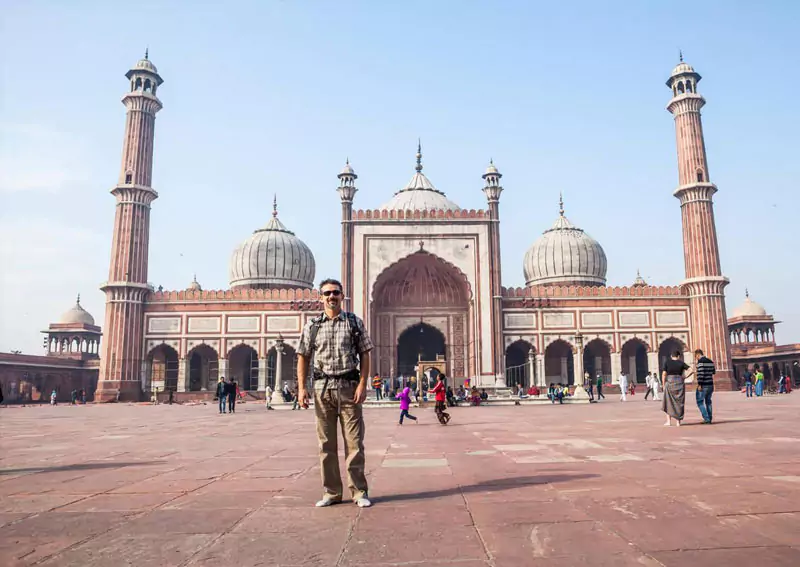
Traveling alone on the Golden Triangle gives you freedom that a fixed package tour cannot match. You decide when to wake up, how long to stay at each monument, and when to take a break. If you want to spend an extra hour watching sunrise colors on the Taj Mahal or sipping chai in a side street, you simply do it.
Solo travel also brings deeper cultural contact. You naturally talk more with guesthouse staff, guides, tuk-tuk drivers, and café owners. These short conversations often teach you small but important things about local life, customs, and food. Over a few days, your confidence grows as you navigate stations, markets, and historic sites by yourself.
Budget control improves too. You can choose cheap hostels on some nights and upgrade to a nicer hotel on others, depending on how you feel. You select where to spend money—maybe on a private guide for one day, a special rooftop dinner, or a craft workshop. Group tours give less flexibility, because the schedule and inclusions stay fixed for everyone.
At the same time, solo travel does not mean you spend all your time alone. You can join city tours, day trips, and hostel activities whenever you want company. That mix of guided time and private time makes your Golden Triangle journey more personal and meaningful.
Best Time to Visit the Golden Triangle Alone
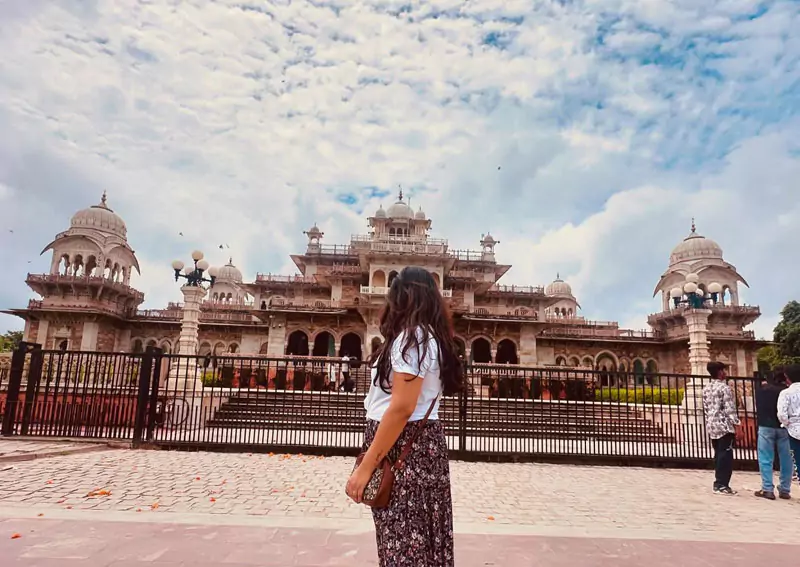
Weather plays a big role in how comfortable your solo trip feels, especially because you walk a lot at forts, gardens, and markets.
- October to March: This is the most pleasant period, with cooler temperatures that make sightseeing easier during the day. Clearer skies improve your Taj Mahal and Amber Fort photos, and major festivals such as Diwali or Holi can add extra charm if you enjoy crowds and celebrations.
- April to June: These months are hot, especially in the afternoons. If you travel now, plan outdoor visits early in the morning and late in the evening, and rest indoors at midday. The benefit is fewer tourists and sometimes better deals.
- July to September (monsoon): Rain showers bring greener views and fewer visitors but can interrupt your plans. If you do not mind rain and pack a light raincoat or umbrella, you can still enjoy the route at a slower pace.
If you dislike heavy crowds, try to avoid big Indian public holidays and long weekends, when popular sites fill up quickly. Before you book, check weather apps and local calendars to match your travel dates with your comfort level.
Step-by-Step Planning for Your Solo Golden Triangle Trip
Step 1: Set Your Budget and Decide Trip Length
For a simple, comfortable solo trip of 5–7 days Golden Triangle, many travelers manage with around 400–800 USD, including stays, transport, food, and entrance fees.
You can think roughly like this:
- Hostels or budget guesthouses: about 20–30 USD per night, depending on the city and season.
- Intercity trains or buses: about 5–30 USD per ride, depending on class and speed.
- Food: about 10–20 USD per day if you eat mostly at local places.
- Tickets and activities: a few to several dollars each, depending on the monument and whether you hire a guide.
Five days works if you only want the main highlights in each city. Seven days feels more relaxed and lets you add extra places, workshops, or half-days of rest. When you book flights, try to arrive and depart from Delhi, as it is the main international hub for this route.
Step 2: Book Your Basics Before You Arrive
When you travel solo, having a few key things booked in advance gives you peace of mind.
- Reserve at least your first two nights in Delhi in a place with good reviews from solo travelers.
- Book at least your first long-distance journey (for example Delhi to Agra) to avoid last-minute stress.
- Arrange an airport pick-up through your hotel or use a trusted app-based cab when you land in Delhi.
At the airport or a major store, get a local SIM card with data so you can use maps, ride apps, and messaging easily. Download offline maps for Delhi, Agra, and Jaipur, and consider keeping screenshots of your bookings and tickets in case the network drops.
For popular monuments like the Taj Mahal, check official sites or reliable ticket portals so you can pre-book your entry time. This helps you skip some queues and plan your day more clearly.
Step 3: Choose How to Travel Between Delhi, Agra, and Jaipur
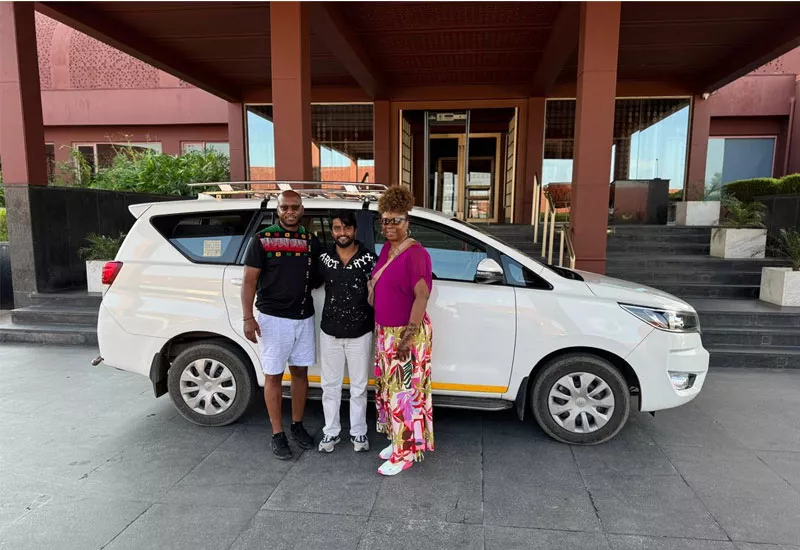
You have three main options to move between the cities, each with pros and cons.
- Hire Private car with driver for Golden Triangle:
Many solo travelers, especially women, choose a private car and driver for Golden Triangle Tour loop. You agree on total price and route in advance, enjoy air-conditioned comfort, and stop easily for photos or meals. This option costs more but increases safety and convenience when you carry luggage and move between hotels. - Trains:
India’s rail network connects Delhi–Agra and Agra–Jaipur with several daily trains. Fast daytime trains in AC classes are comfortable and popular with tourists. You must reserve seats in advance through official or partner booking platforms. Trains often feel social, and you see the countryside along the way. - Buses:
Quality varies, so you book only with well-known, well-reviewed companies. AC buses and Volvo-type coaches offer decent comfort at low cost. Some run overnight, which can save you a hotel night but may feel less restful if you are a light sleeper.
Your choice depends on your budget, comfort needs, and how confident you feel about navigating stations alone. Many travelers mix options—for example, car from Delhi to Agra, then train from Agra to Jaipur.
Step 4: Pick Safe, Social Accommodation
Location matters more than luxury when you travel alone. Try to stay in central or well-known neighborhoods with easy access to sights and transport. Avoid isolated streets, especially if you like going out early or returning late.
When you read reviews, pay special attention to comments from solo travelers and solo women. Look for mentions of:
- Friendly staff who help with taxis and directions
- Clean rooms and bathrooms
- Lockers or safes for valuables
- Social common areas, group activities, or tours
Delhi, Agra, and Jaipur each have hostels and guesthouses that focus on backpackers and independent travelers. They often organize walking tours, food tours, and evening events, which makes it easier to meet people and ask practical questions.
Suggested 7 Day Solo Golden Triangle Itinerary
This simple itinerary balances famous sights with time to rest and explore at your own pace. You can adjust it based on your arrival time and transport choice.
Day 1: Arrive in Delhi – First Taste of the Capital
Arrive in Delhi and check into a central hostel or guesthouse. After a break to shower and settle in, start gently with Old Delhi. Join a guided walking tour if possible; this helps you understand the lanes and feel safer in busy crowds.
Walk through Chandni Chowk’s narrow streets, smell spices, see colorful shops, and taste a few local snacks such as jalebi or samosas. Visit Jama Masjid, one of India’s largest mosques, and climb the minaret if open for a city view. In the evening, head to Connaught Place for dinner and people-watching, then return to your stay by metro or app cab rather than walking alone late.
Day 2: Delhi’s Monuments and Green Corners
On your second day, visit some of New Delhi’s famous monuments. Humayun’s Tomb and India Gate make a good combination. Humayun’s Tomb offers quiet gardens and Mughal architecture that feels like a preview of the Taj Mahal.
Later, relax in Lodhi Gardens or another park. These green spaces give you a break from traffic and noise and are ideal for reading, journaling, or simply sitting under trees. In the evening, you can return to your hostel for a shared dinner or join a group activity advertised on the noticeboard.
Day 3: Delhi to Agra – Forts and First Taj Views
Take a morning train or drive to Agra. The journey usually takes three to four hours. After check-in at your Agra stay, visit Agra Fort, a huge complex with palaces, courtyards, and views towards the river and the Taj in the distance.
Close to sunset, visit Mehtab Bagh across the Yamuna River. From here, you see the Taj Mahal in soft evening light, which is perfect if you plan sunrise inside the main complex the next day. Return to your accommodation before it gets very late, using a booked rickshaw or car rather than walking through quiet areas.
Day 4: Taj Mahal at Sunrise and Travel to Jaipur
Wake early to see the Taj Mahal at sunrise. Many travelers say this is the most peaceful and beautiful time, with fewer crowds and cooler temperatures. Spend a few hours exploring the complex slowly, taking photos from different angles, and noticing small details in the marble and gardens.
After breakfast and check-out, travel onward to Jaipur by train, car, or bus. The trip usually takes around four to five hours. On arrival, check into your Jaipur hostel or hotel and take it easy: enjoy a simple dinner, talk with other guests, and plan your next two days.
Day 5: Jaipur’s Forts and Old City
Start with Amber Fort, located on a hill outside the city. You can go up by jeep or walk up if you feel fit; many travelers avoid animal rides for ethical reasons. Inside the fort, you find courtyards, mirror halls, and outlook points with views over the surrounding hills.
In the afternoon, visit the City Palace and Jantar Mantar observatory. Both sit in the old city and can be combined with a short photo stop at Hawa Mahal, the “Palace of Winds,” whose lattice windows look beautiful from the street or nearby rooftops. If there is an evening light show at Amber Fort or a cultural performance in town, you may choose one as a safe, guided night activity.
Day 6: Jaipur’s Markets, Crafts, and Local Life
Take this day more slowly and focus on markets and cultural experiences. Wander through Johari Bazaar and other shopping streets for textiles, jewelry, handicrafts, and souvenirs. Practice polite bargaining, and only buy what you truly like.
If you enjoy hands-on learning, join a block-printing workshop, cooking class, or craft tour. These experiences allow you to meet locals and other travelers in a structured, safe environment. In the evening, visit a recommended restaurant or café and use a trusted taxi or rickshaw to return to your stay.
Day 7: Back to Delhi – Last Impressions
If your schedule allows, you can visit Nahargarh Fort or another viewpoint in the morning for a final look over the pink city. After that, take your pre-booked train, bus, or car back to Delhi.
Depending on your flight time, you might add one more sight—such as Qutub Minar or a museum—or simply rest and shop for last-minute gifts. End the day with an early trip to the airport or station so you leave without rush or stress.
Extension Cities You Can Add
You can combine your Golden Triangle tour with any of these destinations by private car:
- Ranthambore National Park
Add wildlife to your trip with tiger safari drives in one of North India’s best‑known national parks. - Rishikesh & Haridwar
Extend your journey to the Ganga River for yoga, ashrams, evening aarti, and a more spiritual atmosphere. - Udaipur
Visit the City of Lakes in Rajasthan for palaces, boat rides, and romantic views. - Pushkar & Ajmer
Explore a holy lake town and famous dargah, with markets and a relaxed vibe. - Jodhpur
See the Blue City and the mighty Mehrangarh Fort if you want to go deeper into Rajasthan after Jaipur. - Bharatpur (Keoladeo Bird Sanctuary)
Perfect for bird lovers who want a short nature break between Agra and Jaipur.
You can keep the classic Delhi–Agra–Jaipur triangle or design a custom route like:
- Golden Triangle with Ranthambore (heritage + wildlife)
- Golden Triangle with Udaipur (heritage + lakes)
- Golden Triangle with Rishikesh & Haridwar (heritage + spiritual experience)
Tell us how many days you have and what kind of experiences you want (wildlife, spiritual, heritage, shopping, or relaxation), and we will suggest a simple, comfortable route with a private car and driver for your complete Golden Triangle tour with extensions
Safety Tips Every Solo Traveler Needs

The Golden Triangle is considered one of the safer choices in North India for solo travelers, but basic precautions remain important.
- Share your itinerary and live location with a trusted friend or family member, especially on travel days.
- Use app-based cabs such as trusted ride-hailing services with high ratings instead of unmarked taxis.
- Avoid walking alone late at night in quiet or poorly lit areas; stay where you see families and women.
- Say “no” firmly to pushy sellers, fake guides, and offers of “free” tours. Do not follow strangers to unknown places.
- Keep cash and cards in more than one place and use hostel lockers for passports and larger amounts of money.
For women, modest clothing (covering shoulders and knees) usually helps reduce unwanted attention. Trust your instincts: if a situation feels uncomfortable, leave immediately, even if it seems rude. You can always hire a local guide for a few hours at busy sites if that makes you feel more at ease.
Where to Stay as a Solo Traveler
You find a wide range of hostels, guesthouses, and small hotels in all three cities. Many are designed with solo travelers in mind.
- In Delhi, staying in central, metro-connected areas makes it easier to reach both Old and New Delhi sights.
- In Agra, choose accommodation near the Taj Mahal or in established tourist zones, so your early morning visit feels simple and safe.
- In Jaipur, central or heritage neighborhoods offer a mix of culture, cafés, and good access to forts and markets.
Remember to:
- Read recent reviews, especially from solo and female travelers.
- Check comments on staff helpfulness, cleanliness, and neighborhood safety.
- Prefer places that can arrange trusted drivers or local guides if needed.
Eating Like a Local: Simple Food Tips for Solos
Food is a big highlight of any Golden Triangle tour, and you can enjoy it safely with a few simple rules.
- Choose busy stalls and restaurants where you see many local customers, because fast turnover usually means fresher food.
- Eat cooked dishes served hot rather than raw salads if you have a sensitive stomach.
- Drink bottled or filtered water and avoid ice in drinks if you are not sure about water quality.
Typical treats include stuffed parathas and chaats in Delhi, petha sweets and spicy breakfasts in Agra, and dal baati churma, kachoris, and lassi in Jaipur. Many places offer vegetarian and non-vegetarian options, but vegetarian food is very common and often a safe choice for foreigners.
Must-See Attractions and Quiet Corners
The Golden Triangle offers famous monuments as well as peaceful spots where you can rest and reflect alone.
- Taj Mahal: Sunrise visits often mean fewer crowds and cooler air.
- Agra Fort: Massive walls and river views give strong impressions of Mughal power.
- Amber Fort: Hilltop views, courtyards, and decorated halls make it a highlight of Jaipur.
- City Palace and Jantar Mantar: These central Jaipur sights combine royal history and science.
For quieter moments, try Lodhi Gardens in Delhi, Mehtab Bagh in Agra, and certain parks or hill viewpoints in Jaipur. These places give you space to breathe, write, or simply watch daily life without pressure.
Budget Overview for 7 Days
Your real spending depends on your choices, but many solo travelers find the following ranges realistic for a week:
- Accommodation: 70–140 USD (hostels or simple guesthouses).
- Food: 50–100 USD (local restaurants and street food).
- Transport: 50–150 USD (mix of trains, buses, and occasional private car rides).
- Entries and activities: 40–80 USD (monuments, tours, workshops).
- Extras (SIM, laundry, small shopping): 20–30 USD.
Total: around 230–500 USD for one week, depending on comfort level and how often you book private services instead of shared options.
Packing Essentials for Independent Travel
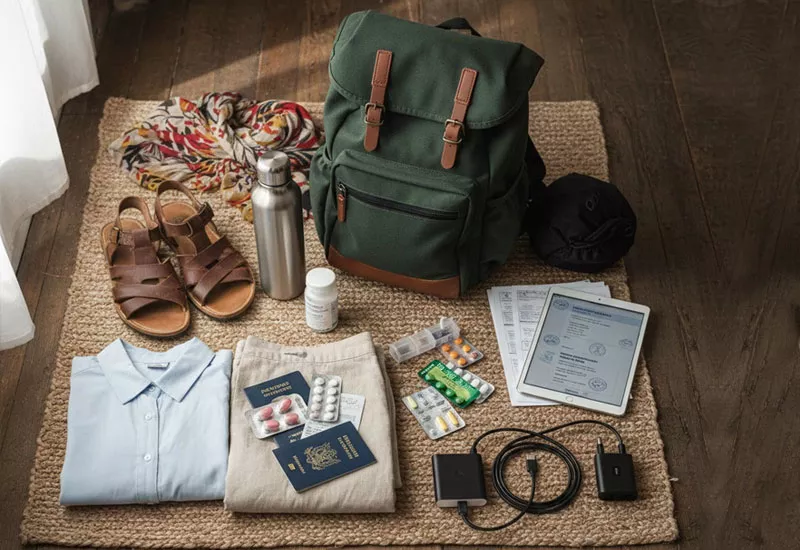
Travel feels easier when your bag is light and simple. A 7–10 kg backpack or small suitcase works well for this route.
Useful items include:
- Modest, breathable clothing like cotton shirts, trousers, and a light scarf
- Comfortable walking shoes or sandals
- Reusable water bottle and small hand sanitizer
- Basic medicines (for headache, cold, stomach issues) and any personal prescriptions
- Power bank, universal adapter, and charging cables
- Printed and digital copies of your passport, visa, and insurance details
- A small padlock and a daypack for daily sightseeing
You do not need to pack too many outfits. Laundry services and hostel washing options are easy to find in major cities.
Common Challenges and How You Can Handle Them
Many solo travelers worry about crowds, scams, and communication, but these challenges become manageable with simple techniques.
- Crowds and noise: Start your days early when sites are quieter, and take regular breaks in parks, cafés, or your room. Earplugs or headphones help if traffic noise bothers you.
- Unwanted attention or photo requests: You have the right to say “no” and walk away. If someone insists, move towards families, guards, or official staff.
- Scams: Fix prices for rickshaws or taxis before you start the ride if there is no meter. Book tours and tickets through your accommodation or trusted agencies rather than random street offers.
- Minor health issues: Drink enough safe water, avoid very spicy food if your stomach is not used to it, and rest when you feel tired. Pharmacies are common and usually helpful for simple problems.
Over time, you learn to read situations better and react more calmly. That learning process becomes one of the biggest rewards of solo travel.
Meeting People and Staying Social
Even if you travel alone, you do not have to feel lonely. Hostels and social guesthouses often offer group city tours, cooking nights, or rooftop gatherings where travelers meet.
You can also:
- Join free or tip-based walking tours in each city
- Take shared day trips to nearby sites
- Join local or traveler meetups you find through trusted platforms
Simple small talk such as asking where people are from, what they visited, or what they recommend often turns into useful travel advice or even a sightseeing partner for a day.
Sustainable and Respectful Solo Travel
Traveling responsibly makes your trip more meaningful and supports the people who live in the places you visit.
- Use a refillable water bottle where safe refill points are available.
- Avoid unnecessary plastic bags and straws.
- Choose ethical experiences that do not harm animals or exploit local communities.
- Buy souvenirs from small shops, craft cooperatives, or women-led businesses when possible.
At monuments, follow posted rules about photography, clothing, and behavior. Respecting these guidelines protects heritage and keeps the sites pleasant for everyone.
Quick FAQs for Solo Golden Triangle Travelers
- Is the Golden Triangle safe for solo female travelers?
Yes, many women travel this route every year. Choose good areas, use trusted transport, stay alert, and follow the safety tips above. - Do I need to speak Hindi?
Basic Hindi phrases help, but English is widely used in tourist areas, hotels, and many restaurants. A translation app covers the rest. - Can I manage on about 50 USD per day?
Yes, if you stay in hostels or budget hotels, eat mainly at local places, and use trains or buses rather than private cars all the time. - How do I get a visa?
Many nationalities can apply online for an Indian e-visa before travel. Always check current official rules for your passport country. - Which apps are useful?
Map apps, ride-hailing apps, translation tools, and location-sharing apps help with navigation, safety, and communication.
Traveling solo on the Golden Triangle may feel scary in the beginning, but step by step it becomes easier and more rewarding. With clear planning, basic precautions, and an open heart, you can enjoy Delhi, Agra, and Jaipur at your own pace and return home with strong memories and new confidence in yourself.